A stormy-day visit to Long Point Lighthouse at Twillingate
The weather was ugly at Twillingate on Wednesday, June 17th – Day 20 of our trip and the 13th day in Newfoundland. We visited the nearby Long Point Lighthouse and Twillingate Lighthouse Heritage Museum, and that was pretty much it for the day. We couldn’t get near the Twillingate Museum due to the parking lot being full and the laundry room at the RV park was so busy it took most of the rest of the day to get that done.
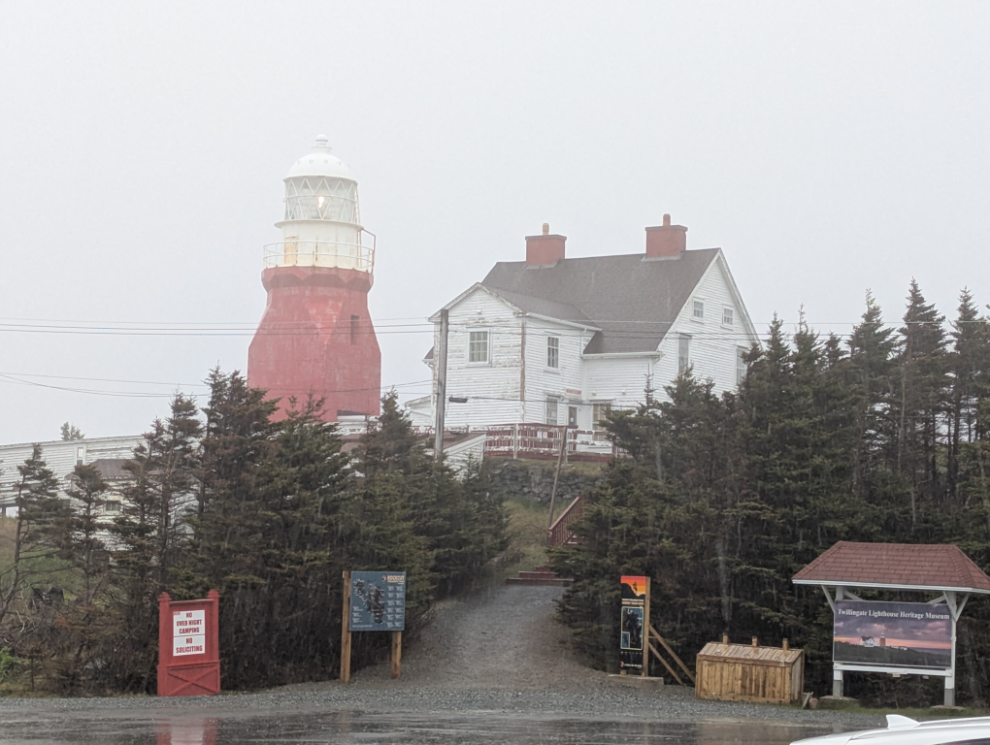
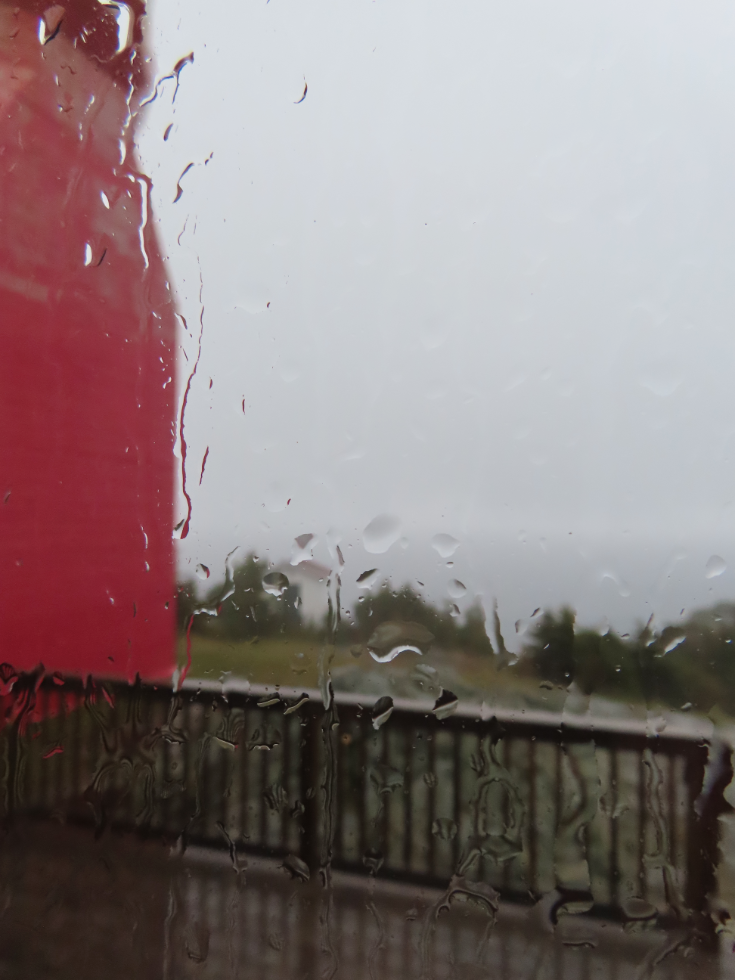
We were in no big hurry to go out into the storm, so didn’t get to the lighthouse until noon. The temperature was 6°C but the wind chill was reported to be -2! I took the first photo from the shelter of the RV window.
I first wanted to see the coastline, but that walk to the viewpoint was a quick one.
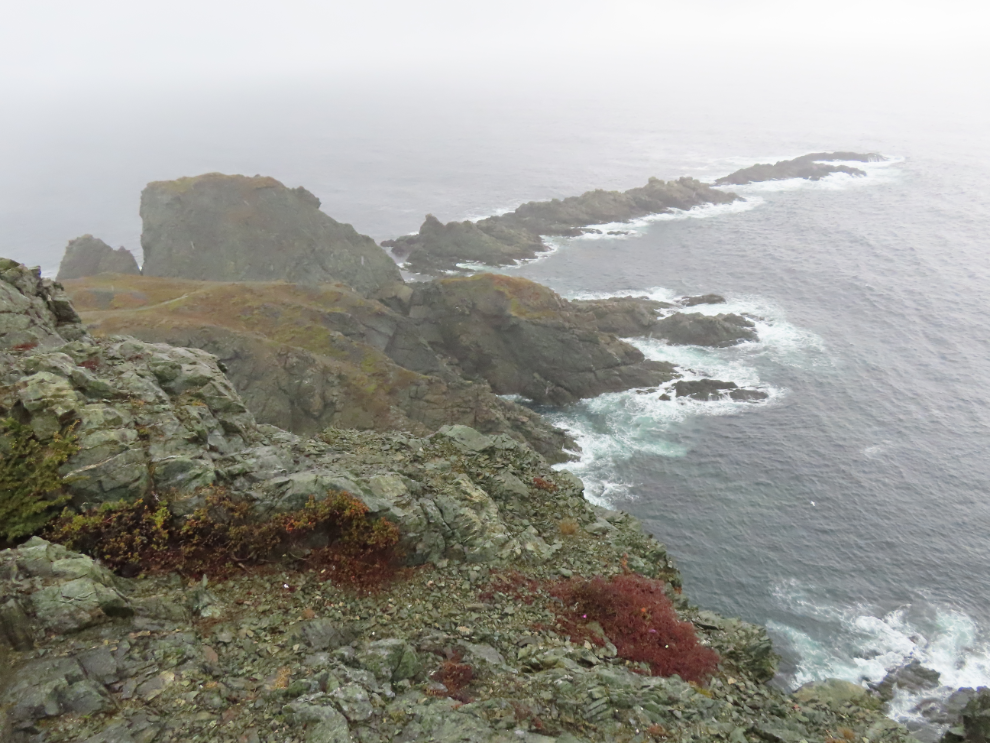
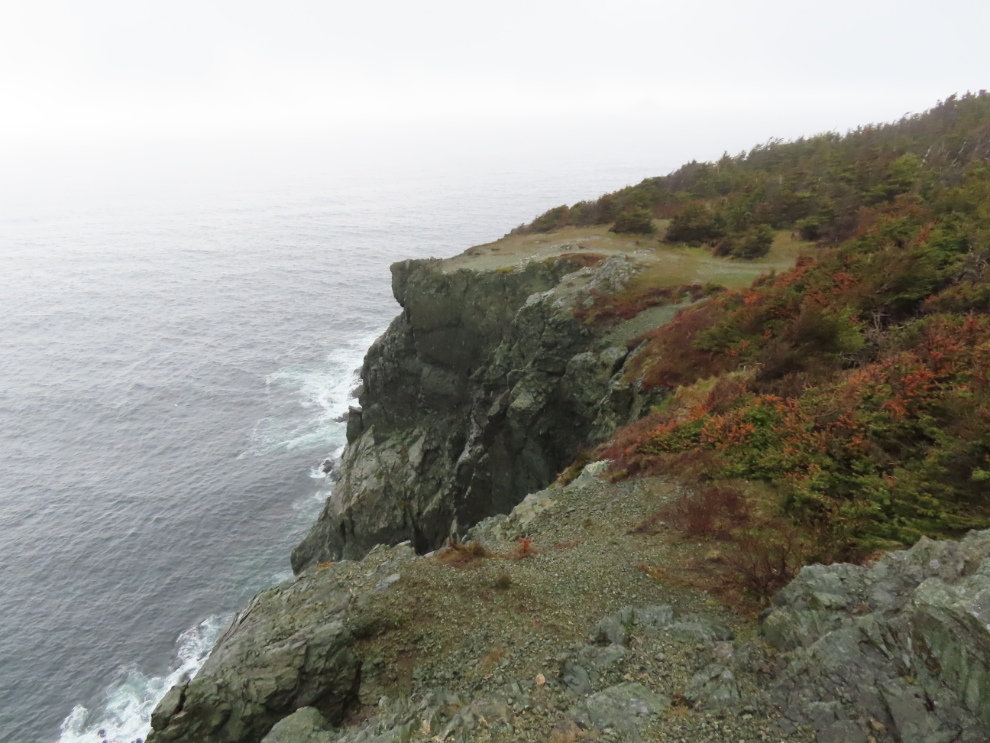
The fog horn was sounding a four-second blast each minute, but the visibility must have been just barely below minimums.
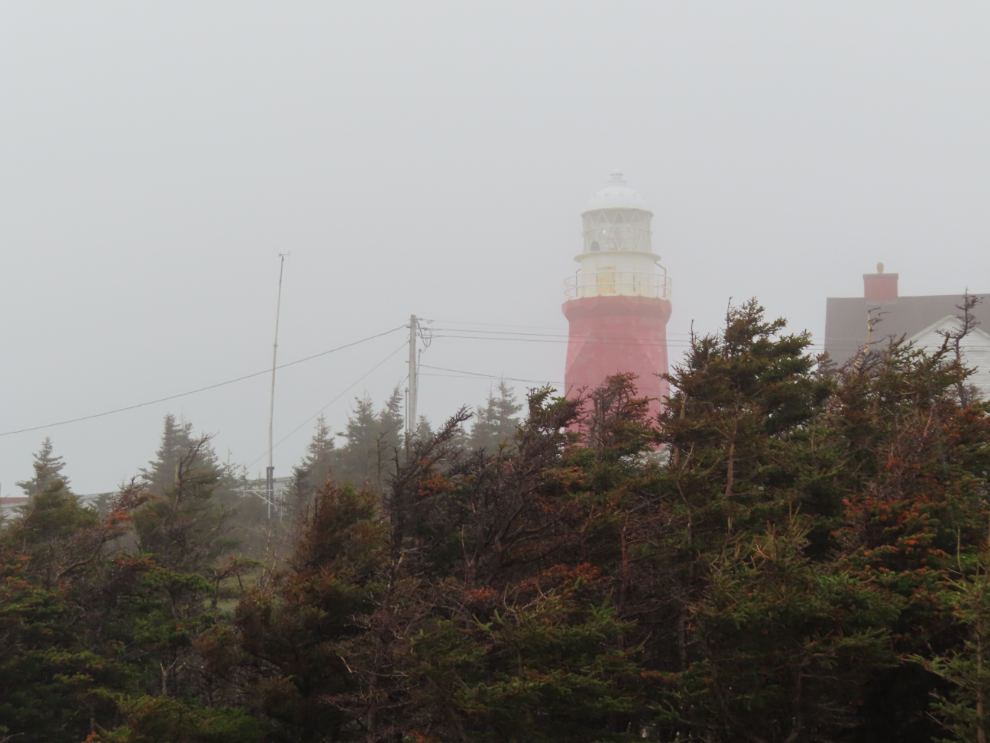
The sign at the start of the walk up.
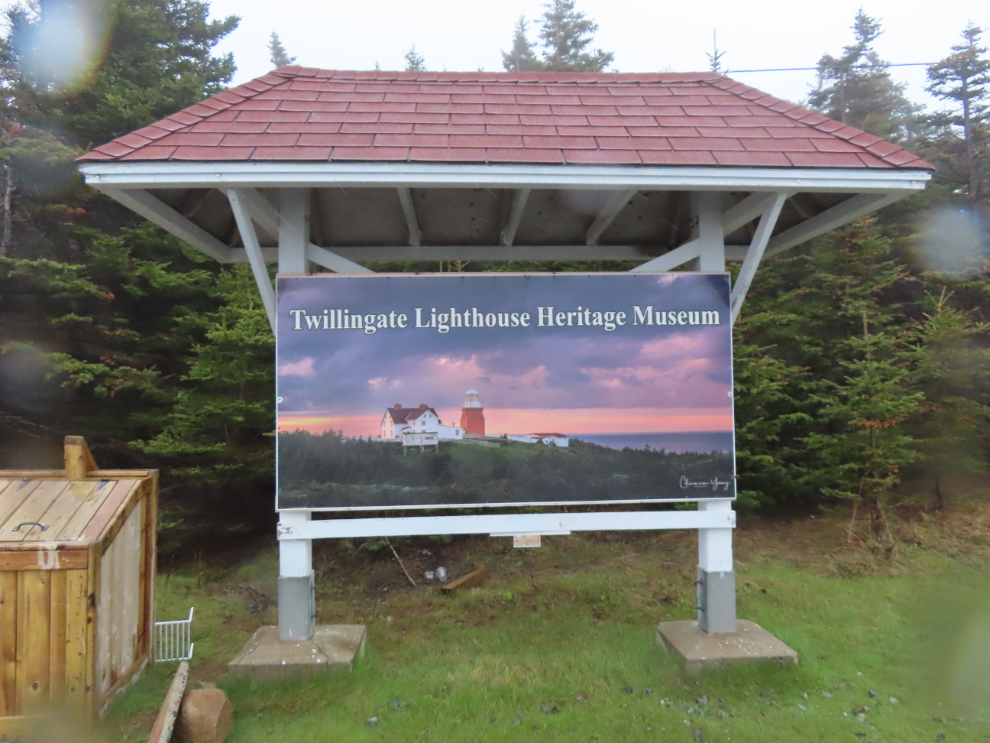
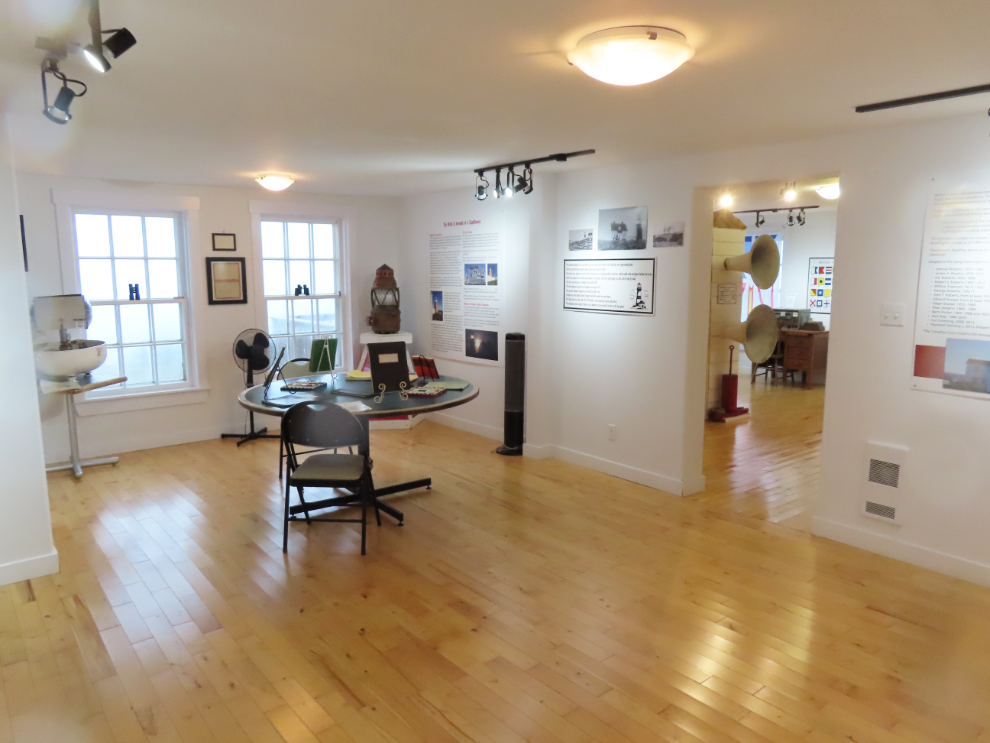
The museum is excellent, presenting a wide array of information in an easy-to-digest ways. The Long Point Lighthouse was built in 1875, but delays in getting the lighting equipment delayed it from being operational until 1876. The lighthouse tower was built of brick but damage caused by an earthquake on November 18, 1929, resulted in the brick being covered by one foot of reinforced concrete.
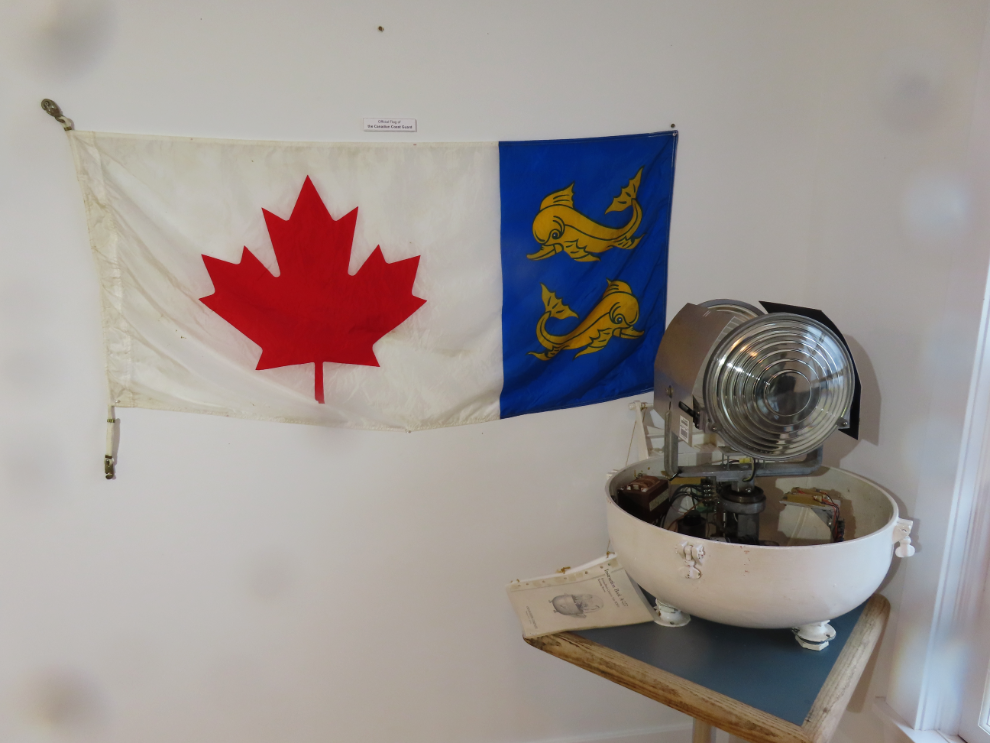
The Coast Guard flag and a modern lighthouse beacon, very different than the huge lenses used in early lighthouses.
In 1920, a fog alarm was added – the building is linked to the keepers’ dwelling (where the museum is now) by a lengthy covered passageway.
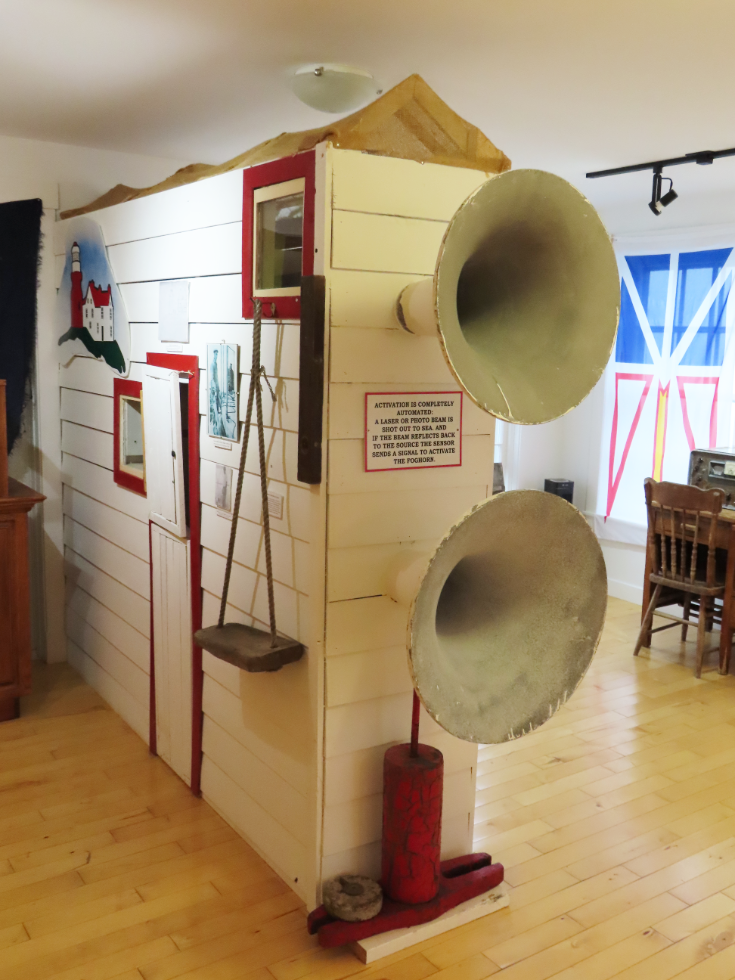
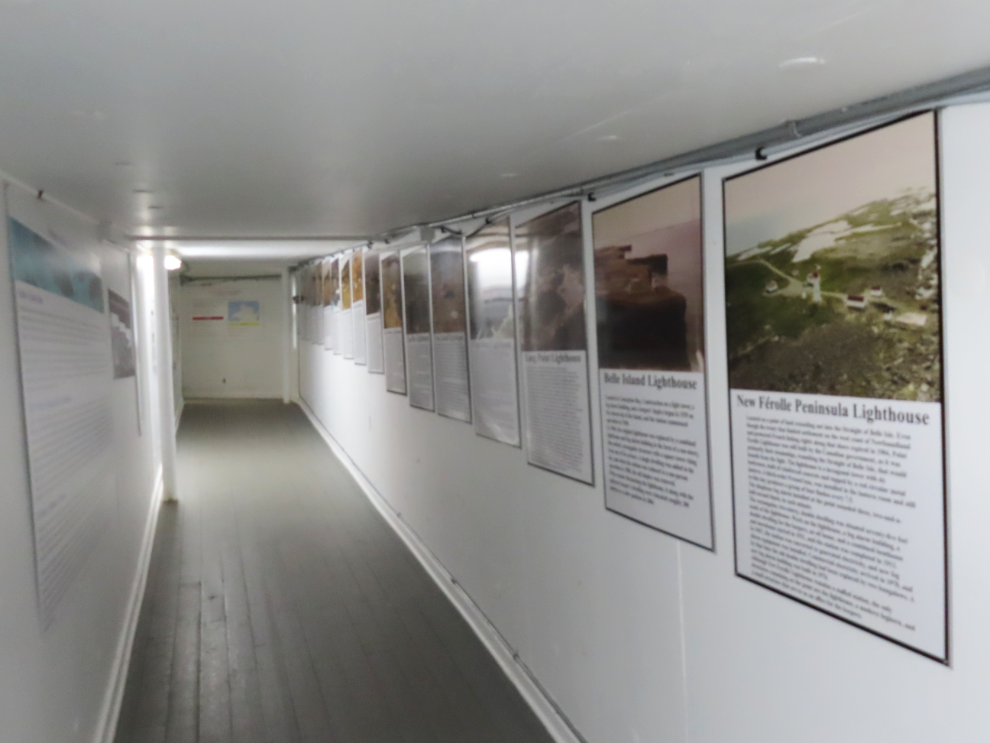
That passageway to the fog alarm building is easy to miss, but the signal flags and information panels about 23 Newfoundland lighthouses are well worth seeing.
The displays of signal flags in the passageway and the main museum rooms are particularly good.
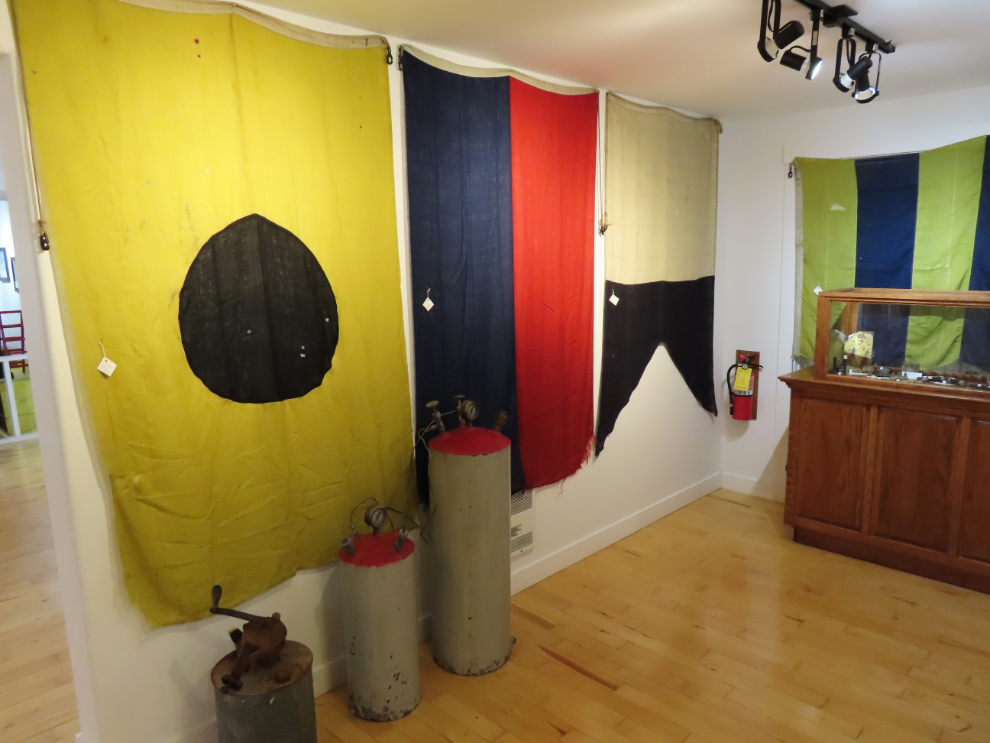
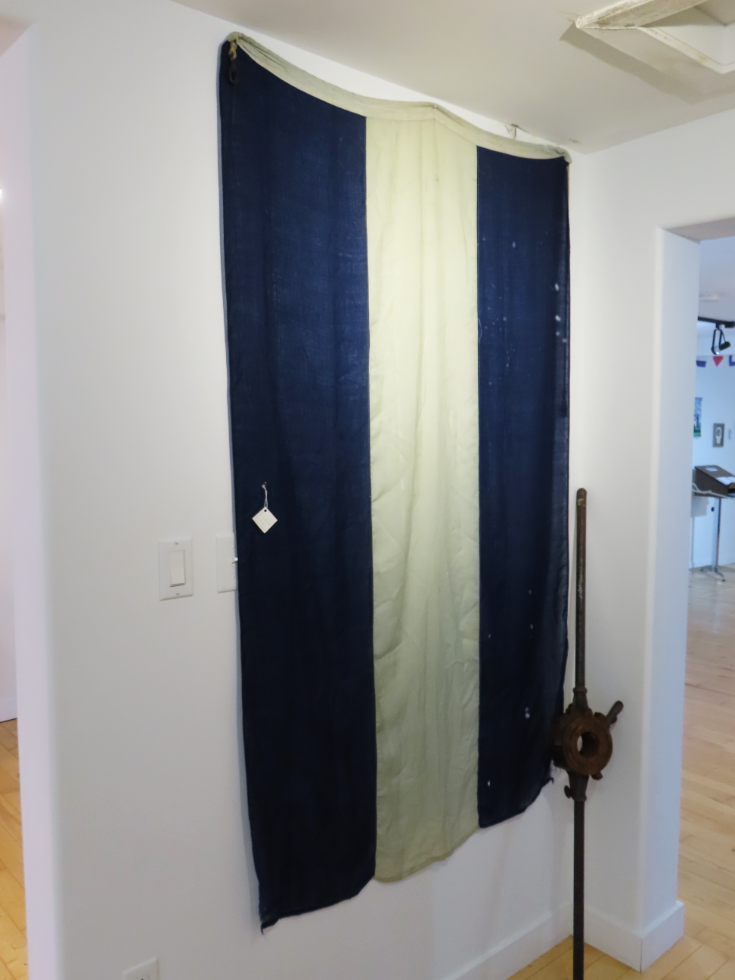
This flag, for example, is not only used as the leter “J,” but can also mean “Ship on fire. Stay clear.” I suppose that could be useful to confirm that the column of black smoke coming from the ship isn’t just crew members barbecuing some steaks 🙂
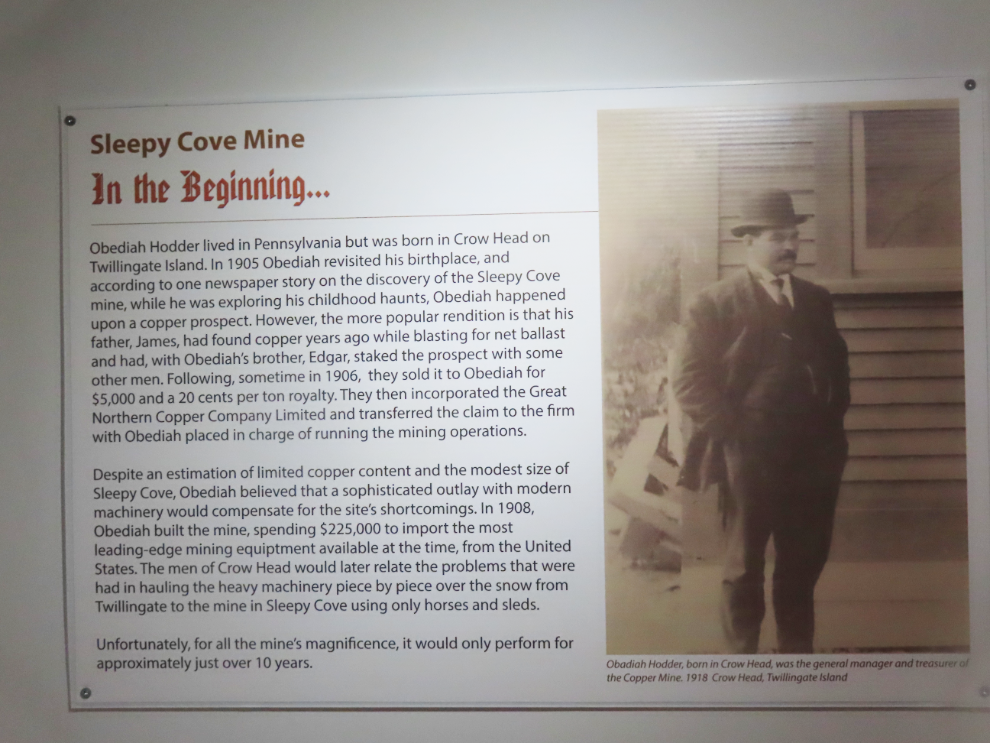
The panels on one wall describe the operations of the Sleepy Cove Mine, an open-pit copper operation that somehow managed to stay afloat from 1908 until 1920 despite never actually getting paid for any ore.
Looking outside 🙁
I was extremely pleased to find when we arrived that tours up into the light tower were held, for an extra $6. Cathy wasn’t intersted, but I certainly was! It was quite a climb up wooden stairs and then very narrow and steep steel ones, but this was a wonderful addition to the visit.
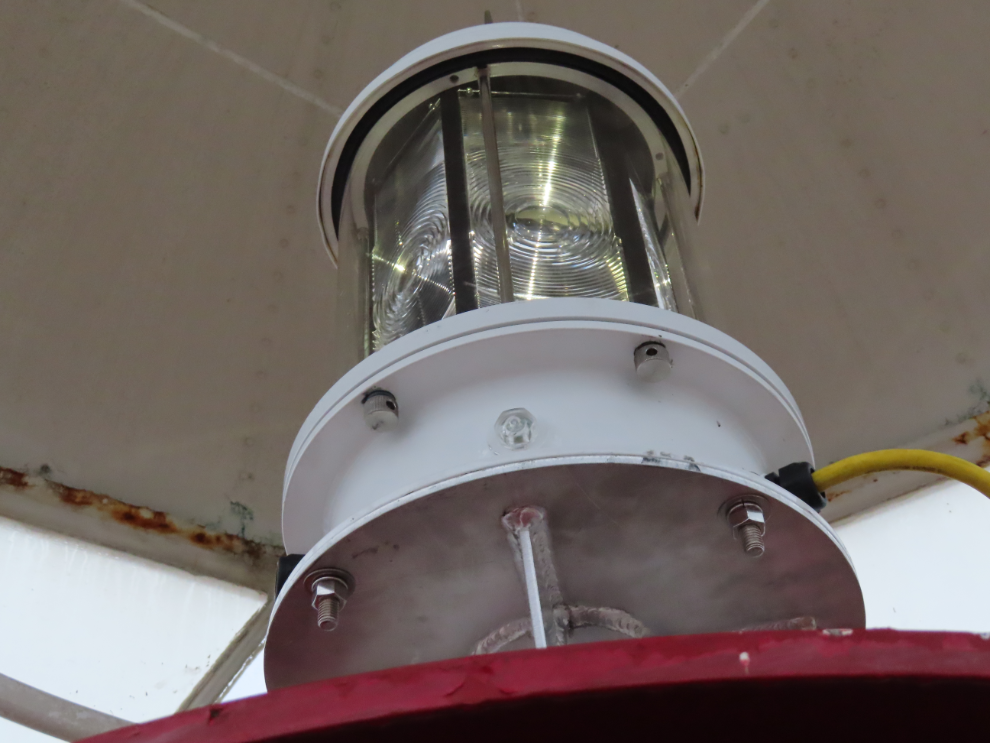
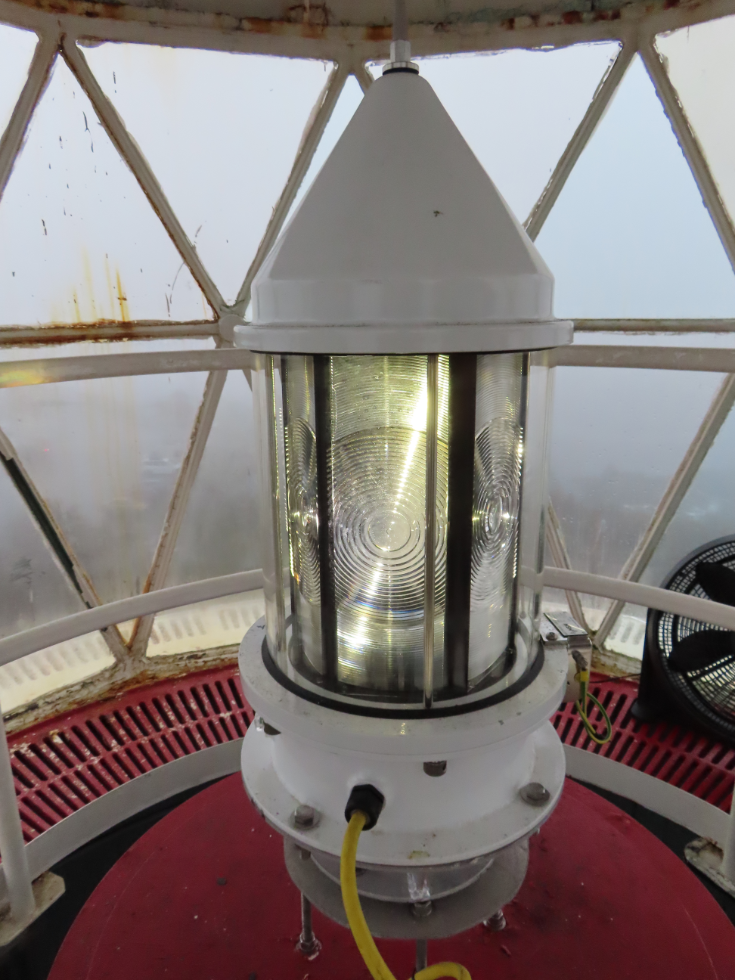
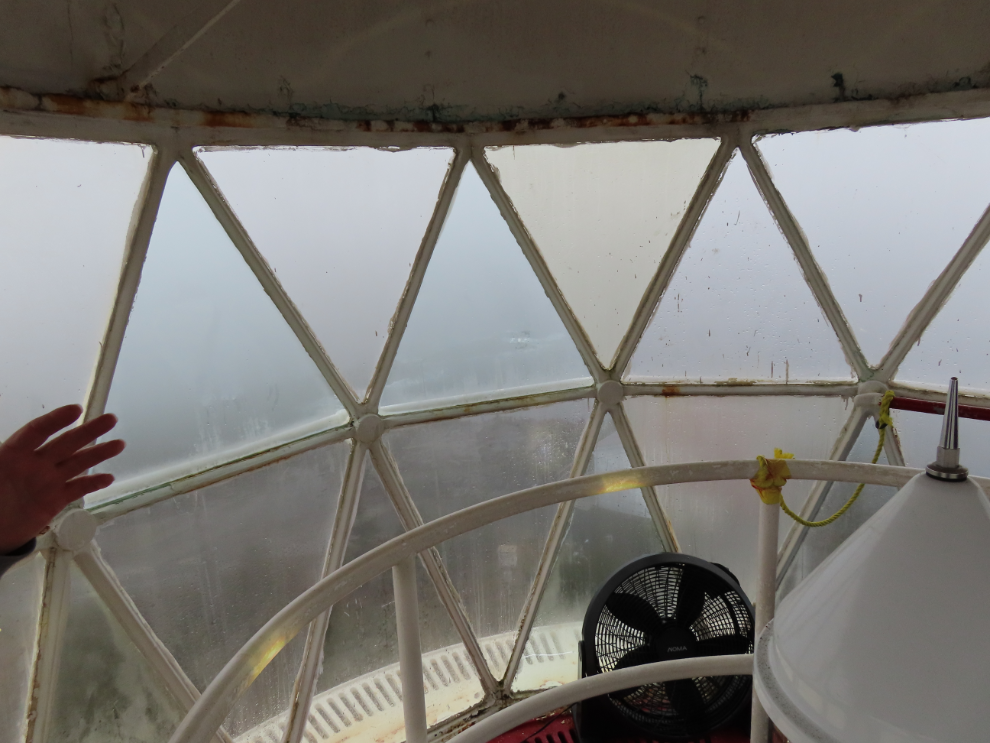
There was no view from up there, though.
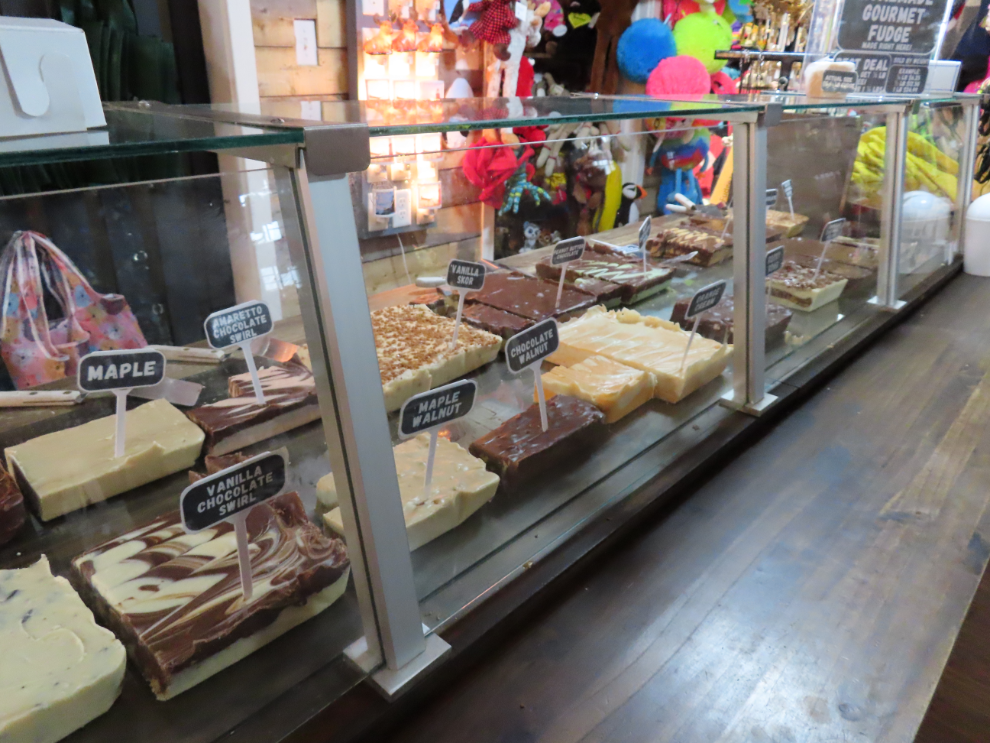
Cathy had noticed the Lightkeeper’s Fudgery across from the lighthouse, and that was the next place we visited. The fudge was delicious – excellent rainy-day therapy!
As I mentioned at the start, we then tried to go to the Twillingate Museum but there was no parking within a distance we were willing to walk. There was another museum with lots of parking but sorry, I don’t like wooden boats that much.
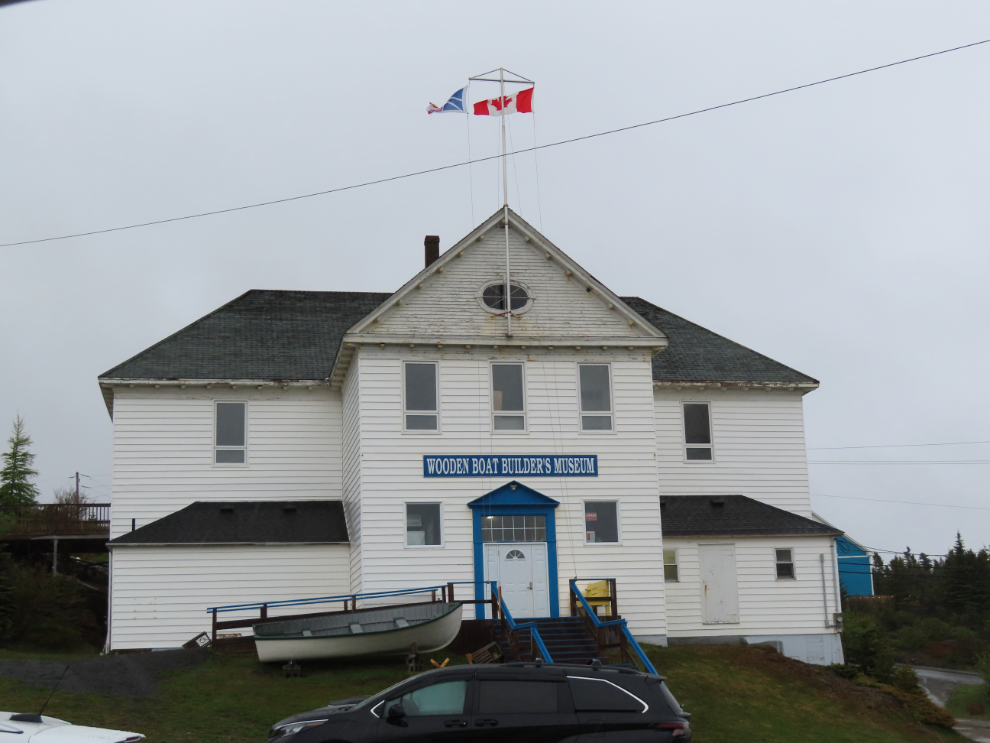
And that was the end of our day. Laundry needed to be done, and today would be a good day for that. Except for the fact that alot of other people had the same idea. Oh well, tomorrow would be better, As it turned out, tomorrow would be MUCH better!

About The Author
