Exploring Bonavista – it’s all about history
After touring the Cape Bonavista Lighthouse the morning of Wednesday, June 24th, we drove into the community of Bonavista and spent the day engrossed in its five centuries of European history and thousands more years of other cultures.
The day had begun with a misty rain and 8°C, and got heavier and heavier through the day and only a couple of degrees warmer. Although we were outside a bit, it was mostly a museums day anyway, so the rain was a minor nuisance. And when looking back at what we’ve done, the weather seldom plays a part in the memories.
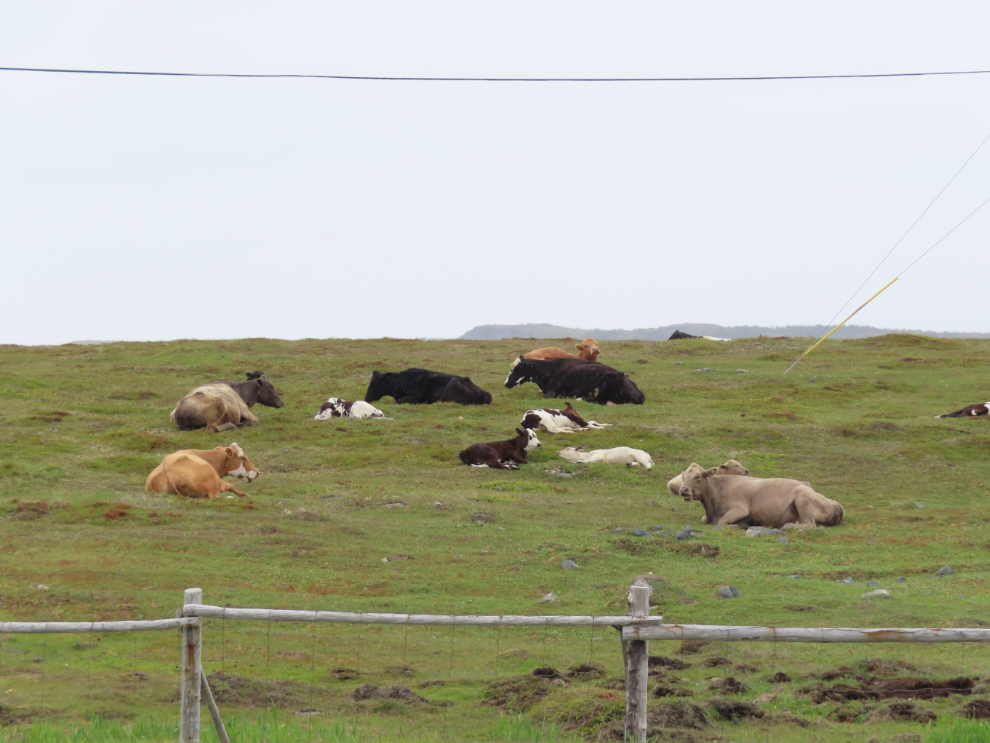
It was wonderful to see cows along the road back in from the Cape. We have seen very few farm animals anywhere in Newfoundland, but Bonavista even has a community pasture (this is probably] part of it).
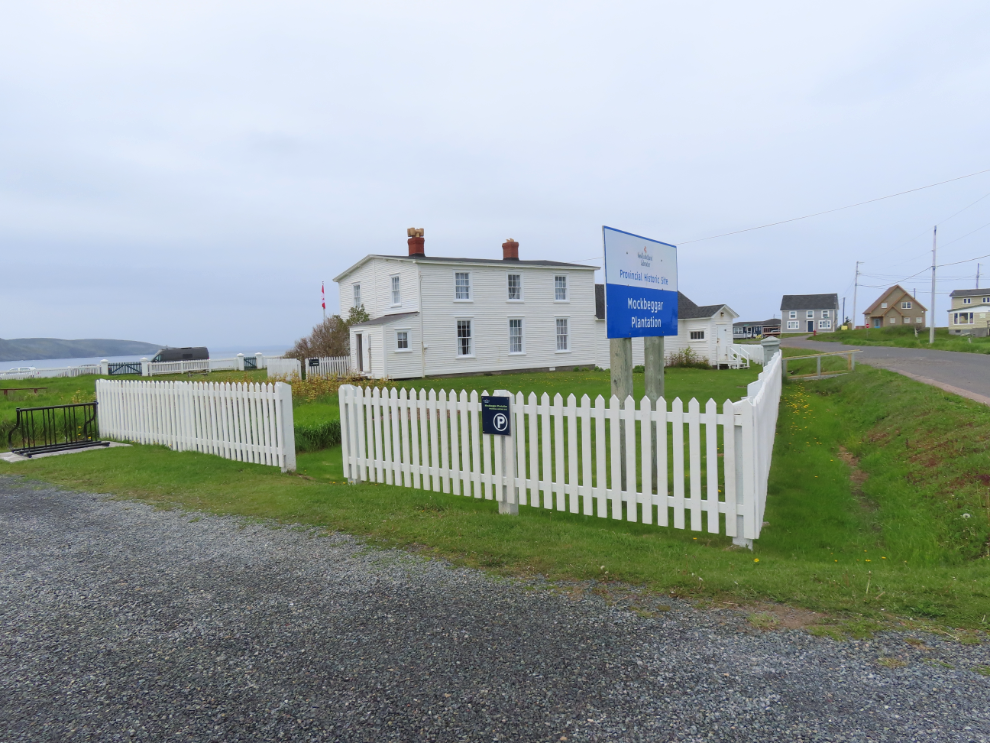
We began our town exploring at the Mockbeggar Plantation Provincial Historic Site. “A fishery plantation site since the 1700s, the Mockbeggar Plantation was once a thriving operation that played a major role in the development of Bonavista. The main house was built in the 1870s and has been restored to 1939 – the time when Newfoundland statesman and advocate for Confederation with Canada F. Gordon Bradley lived here.”
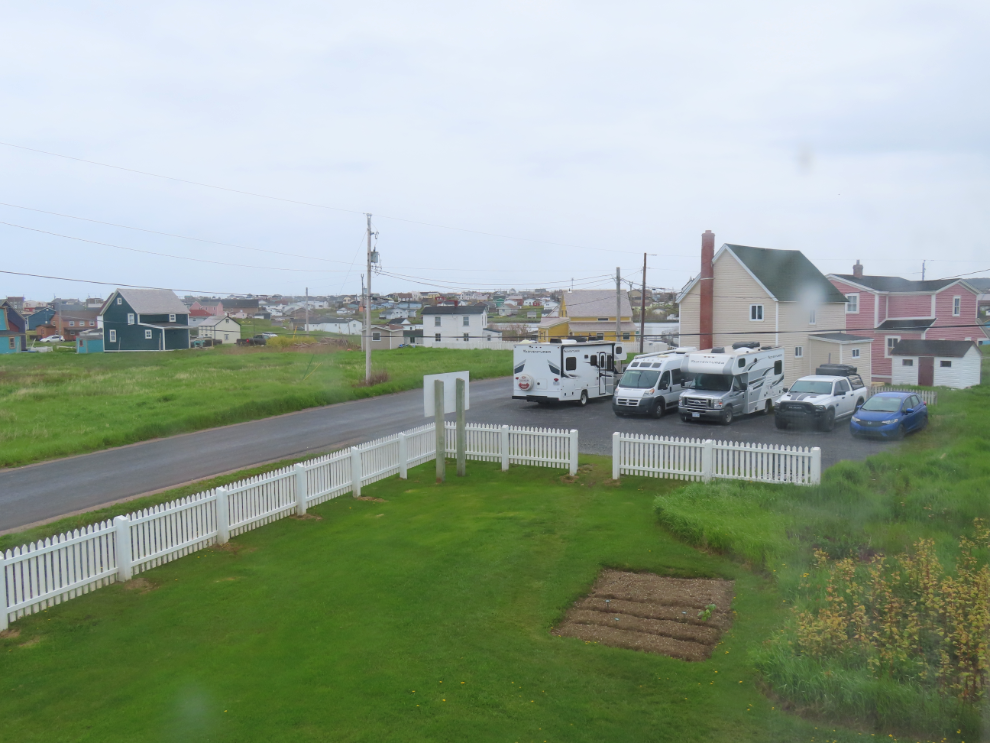
The tiny parking lot, seen from an upstairs window of the home. I lucked into getting the outside spot.
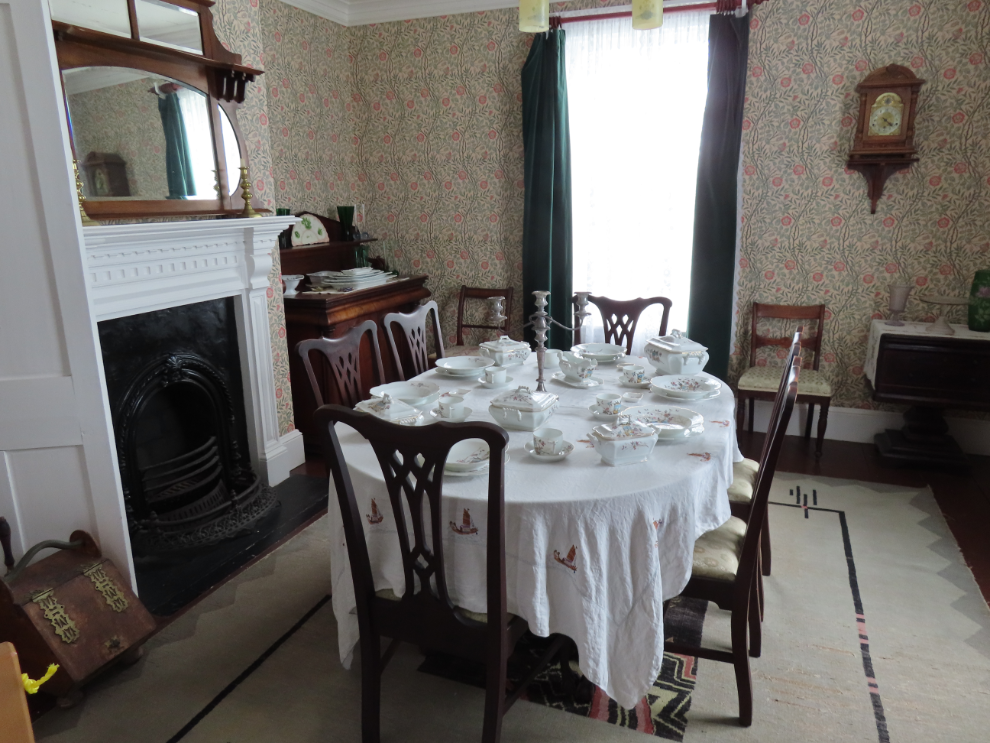
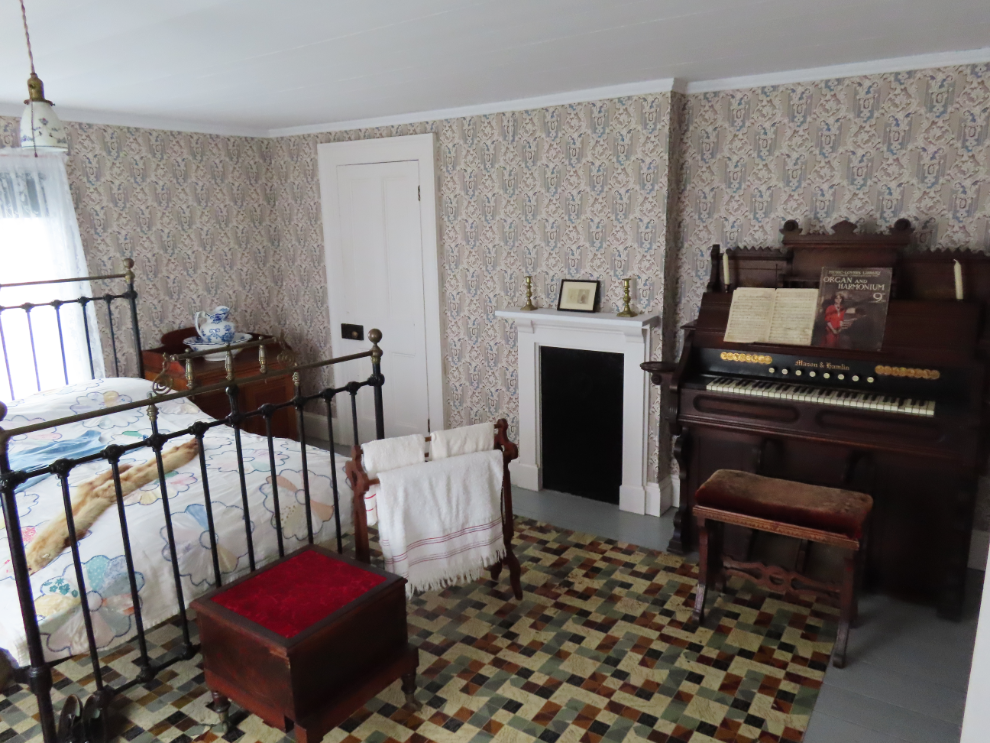
This was living at a very high level of comfort, particularly in a location such as this.
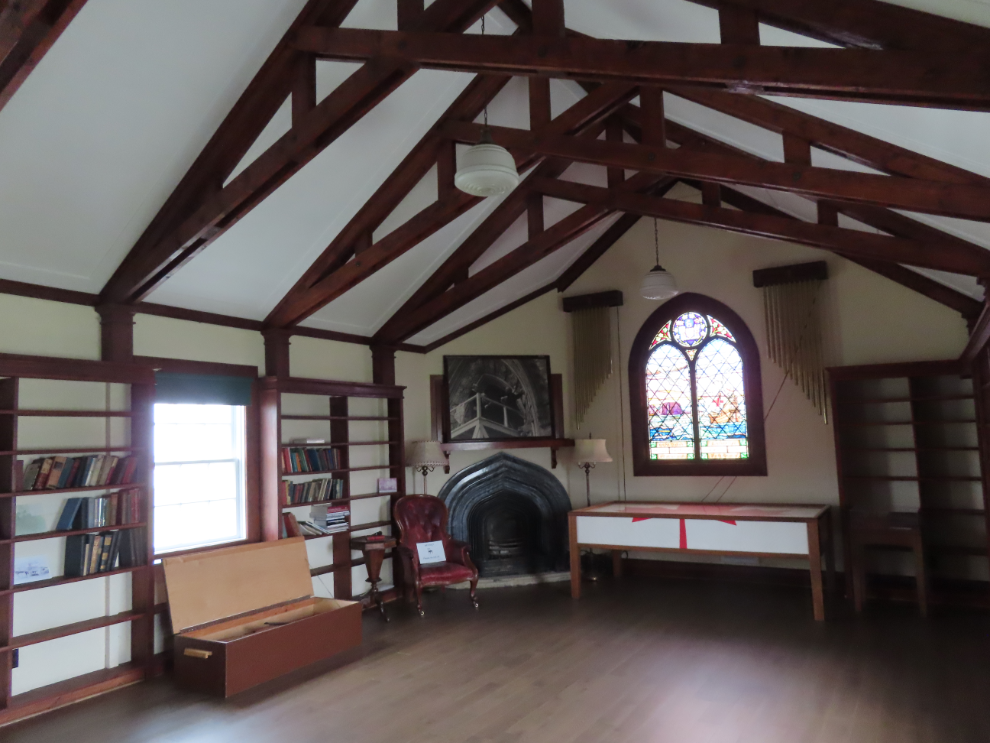
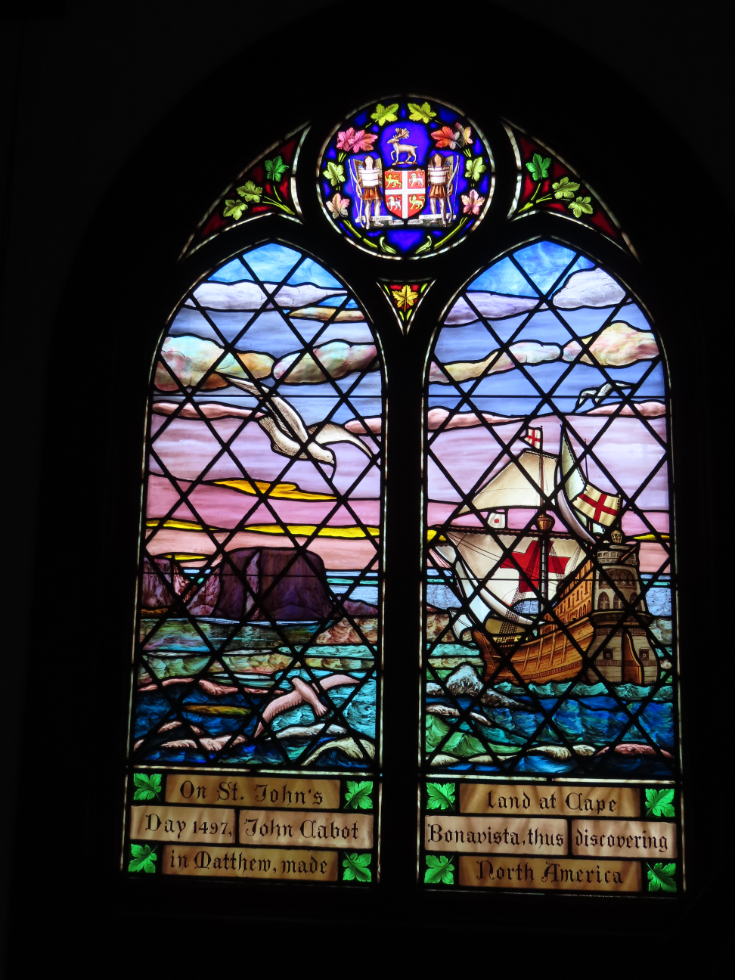
The most impressive part of the house is the large private chapel with its exquisite stained glass windows.
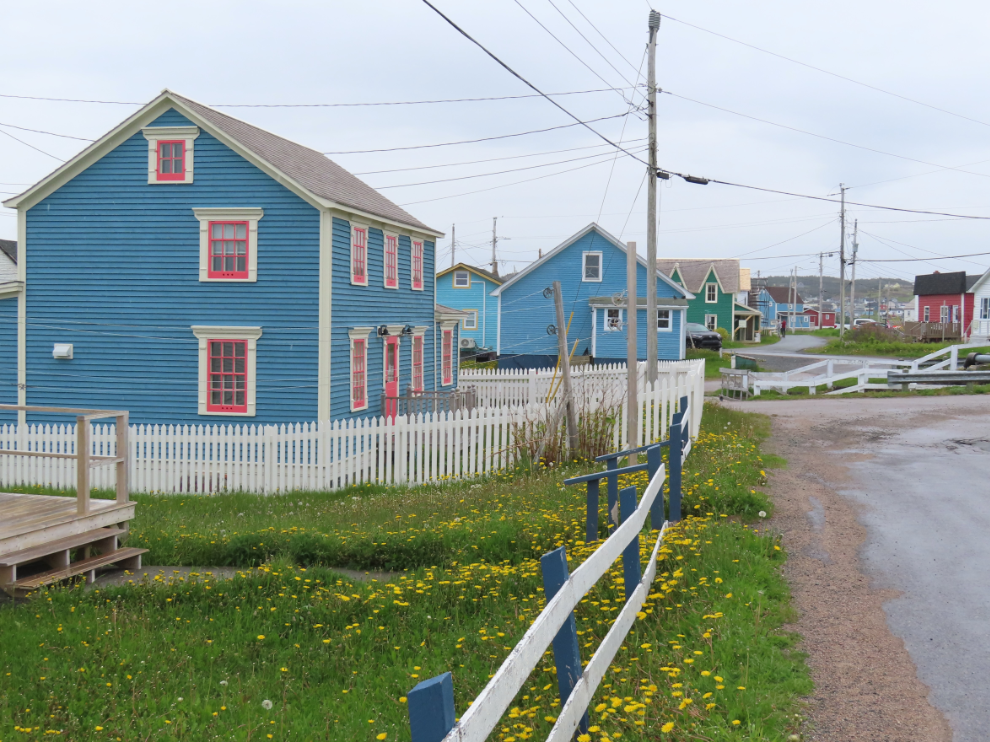
I went for a walk in the rain in the area around the museum. A government program is subsidizing the rebuild of dozens of cottages, many in prime locations.
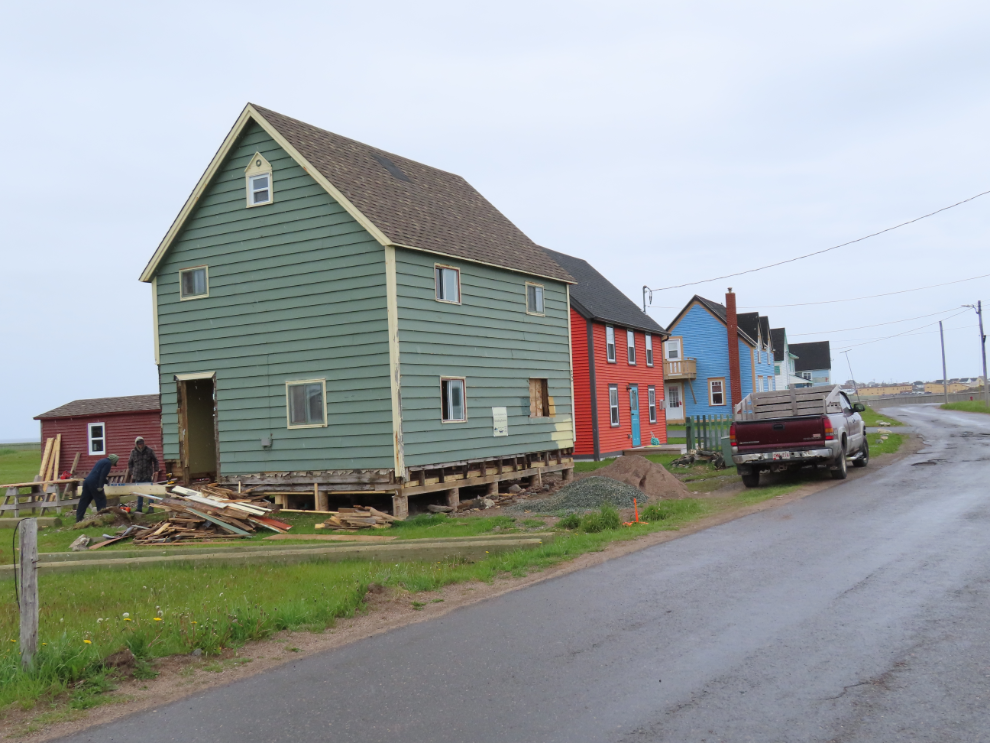
This tiny home is tucked between and behind the ones shown in the previous photo.
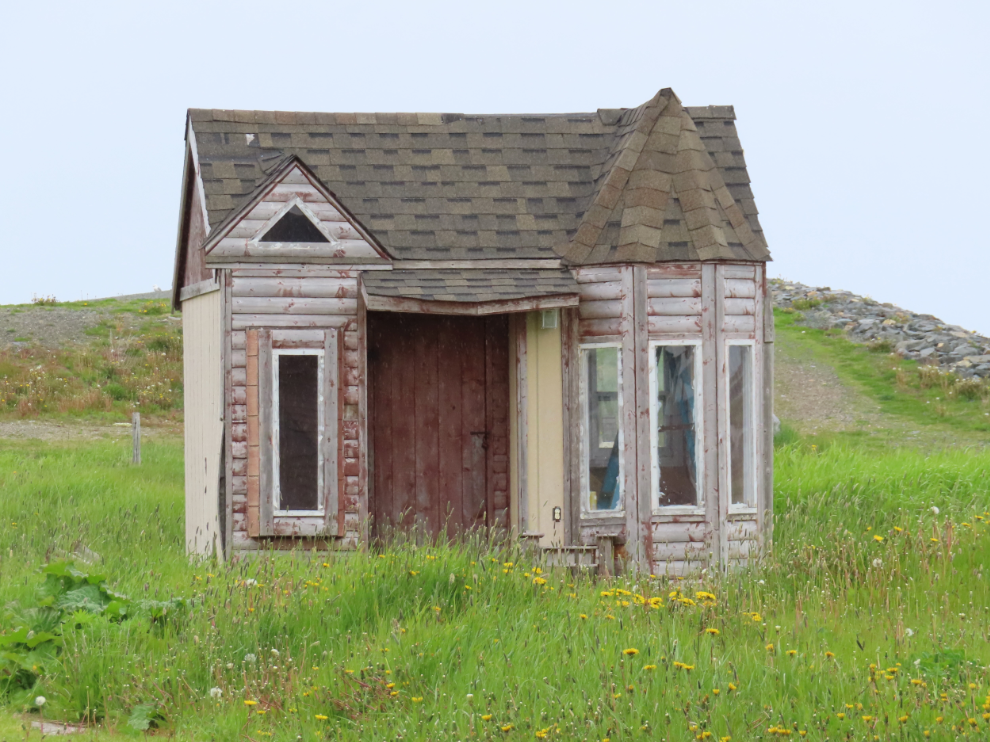
Even on a dreary day like this, the photo ops in Bonavista are endless.
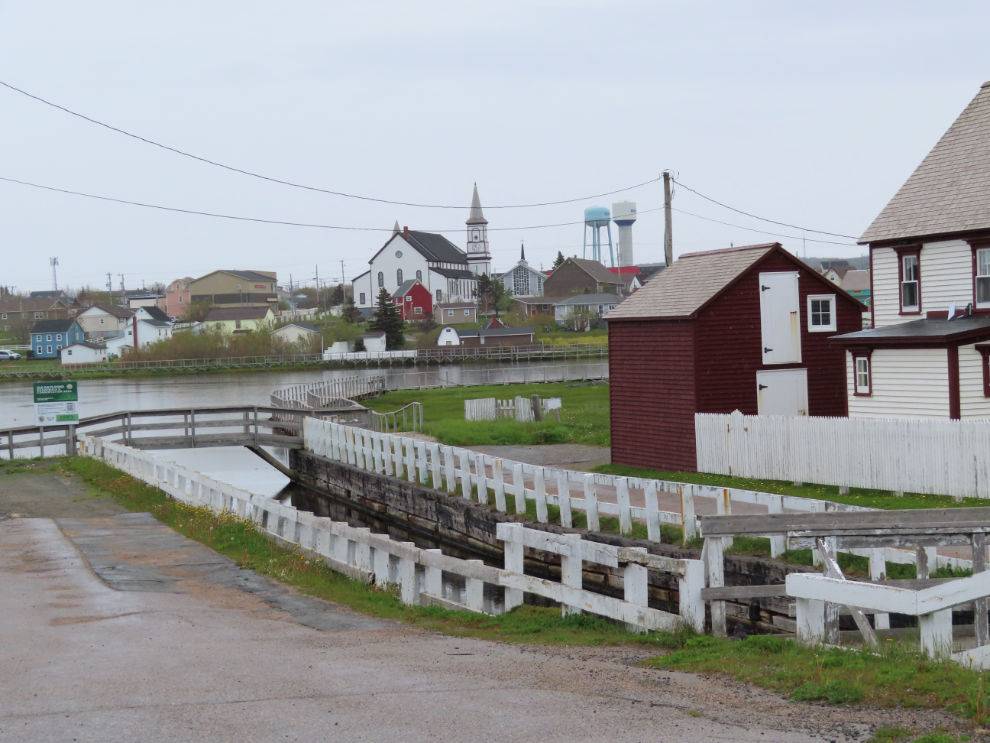
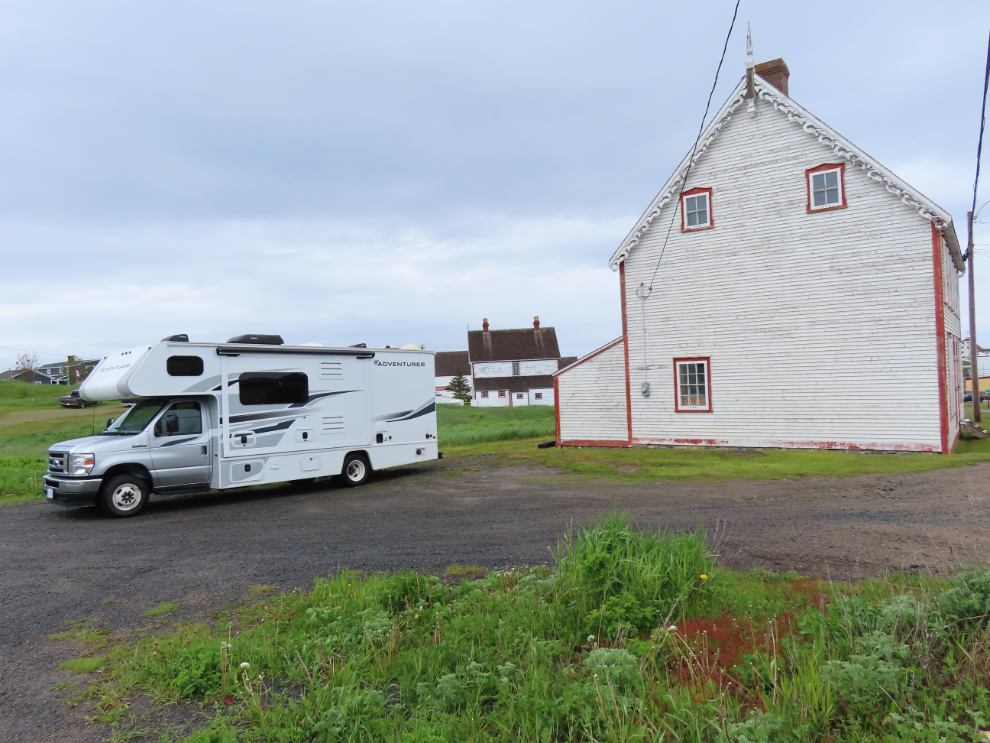
Our next stop was Ryan Premises National Historic Site. This visit got off to a bad start when I couldn’t find a place to park. There wasn’t a parking lot that was full, there just was no lot. I eventually parked beside an unused building along a nearby street. Talking to the Parks Canada person on the desk, we were informed that this is the parking lot. No, I’m not driving a motorhome through a large puddle of water onto a patch of wet grass on what could be not-hard-enough dirt.
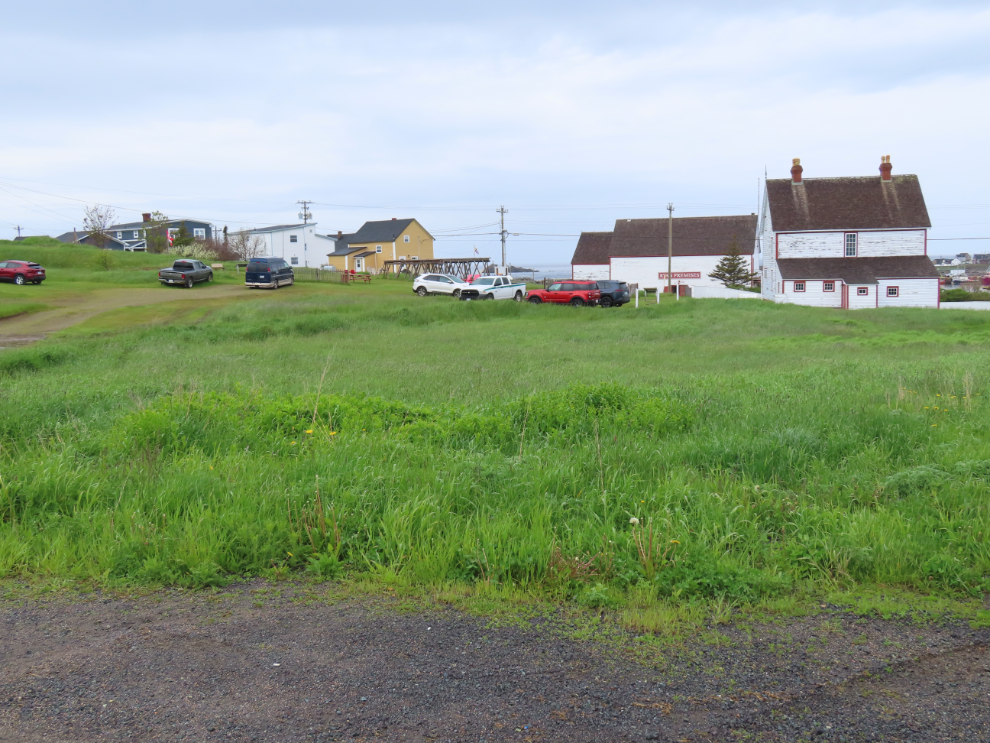
This is where I parked. It required a longer-than-should-be-necessary walk in the rain to the museum.
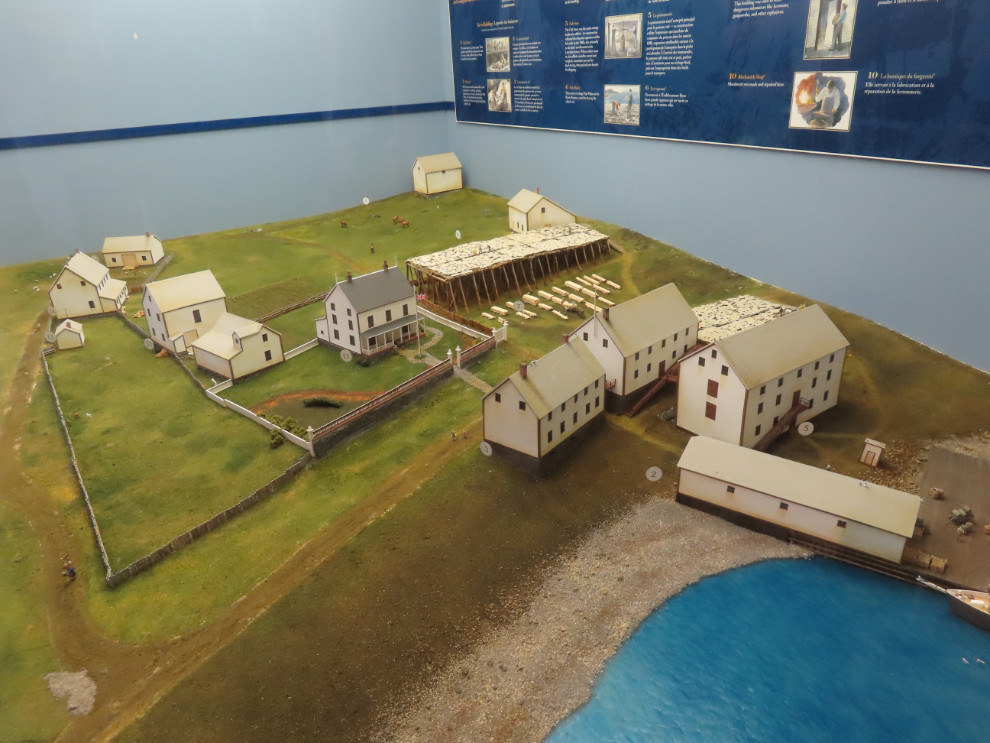
This model shows the layout of the Ryan Premises – five main white clapboard buildings that were once the headquarters of fish merchant James Ryan.
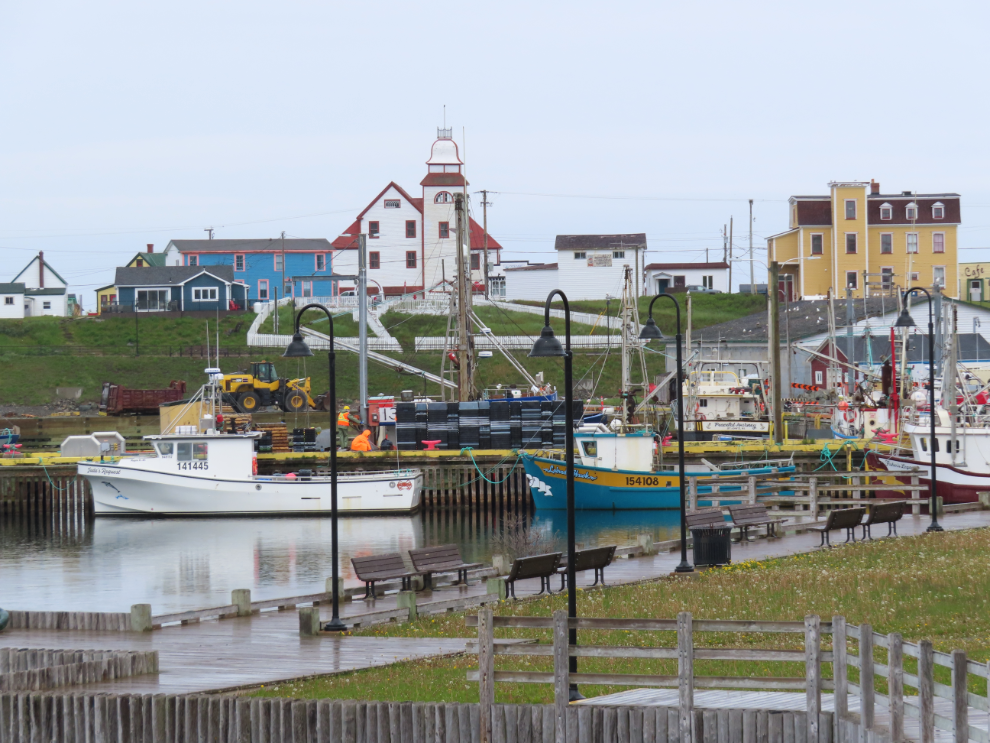
Some of the views from the museum are postcard-perfect.
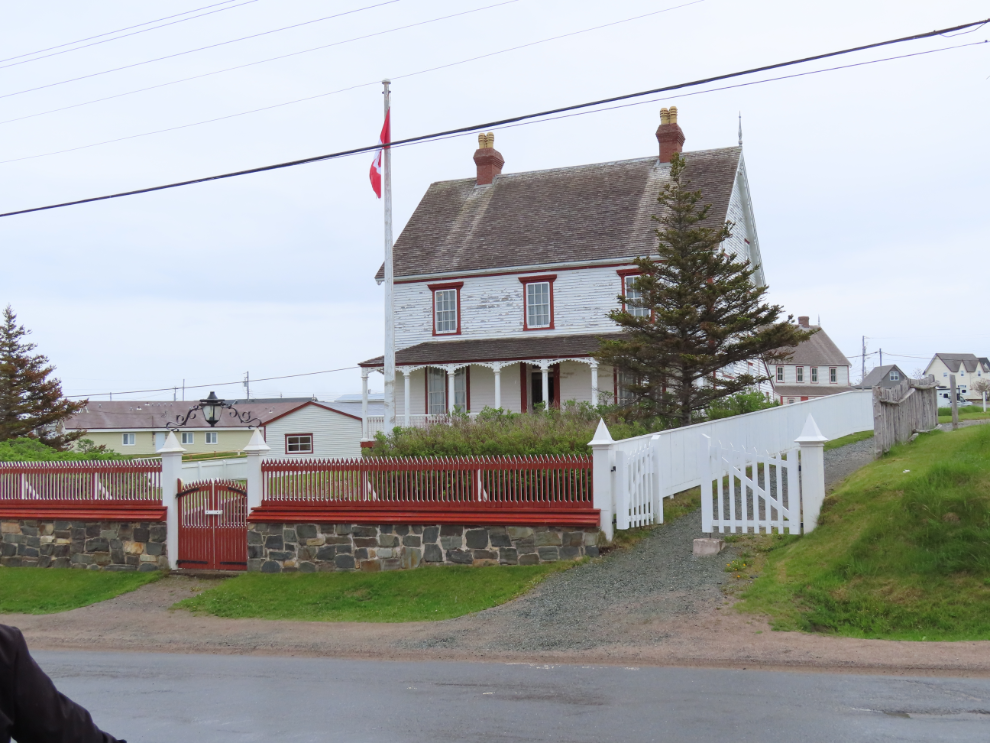
The Proprietor’s House is only open limited hours, but we lucked into one of those spots.
The house is rather sparsely furnished, and displays not so much the way it would have looked as the quality and range of locally-made furniture that would have been part of the original furnishings.
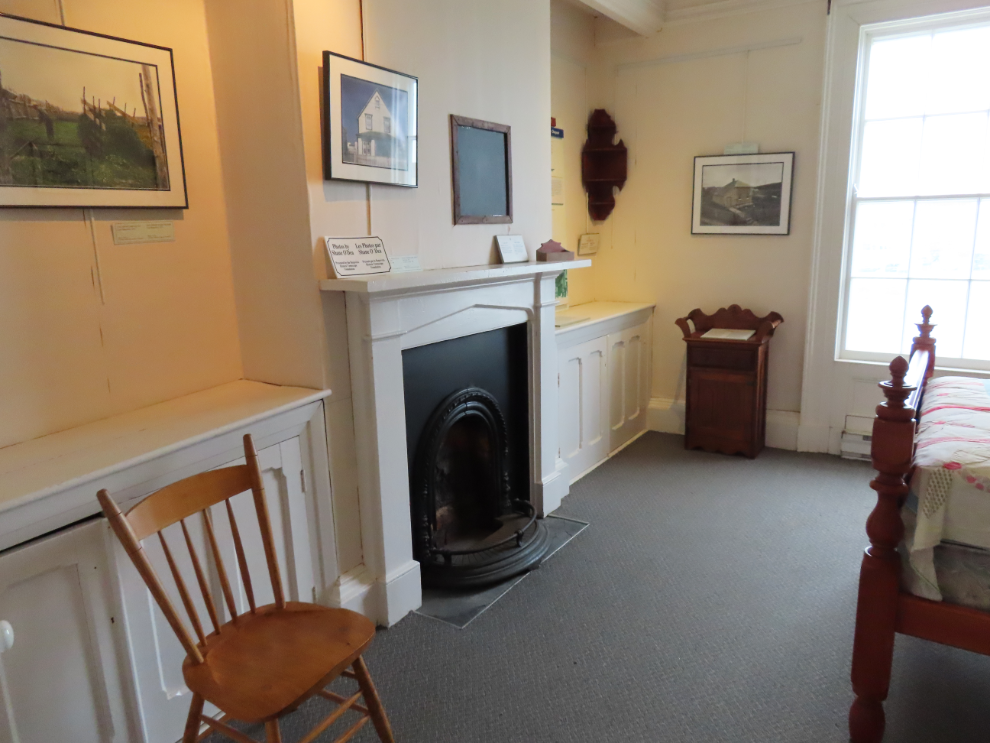
The view from the Proprietor’s House to the working buildings.
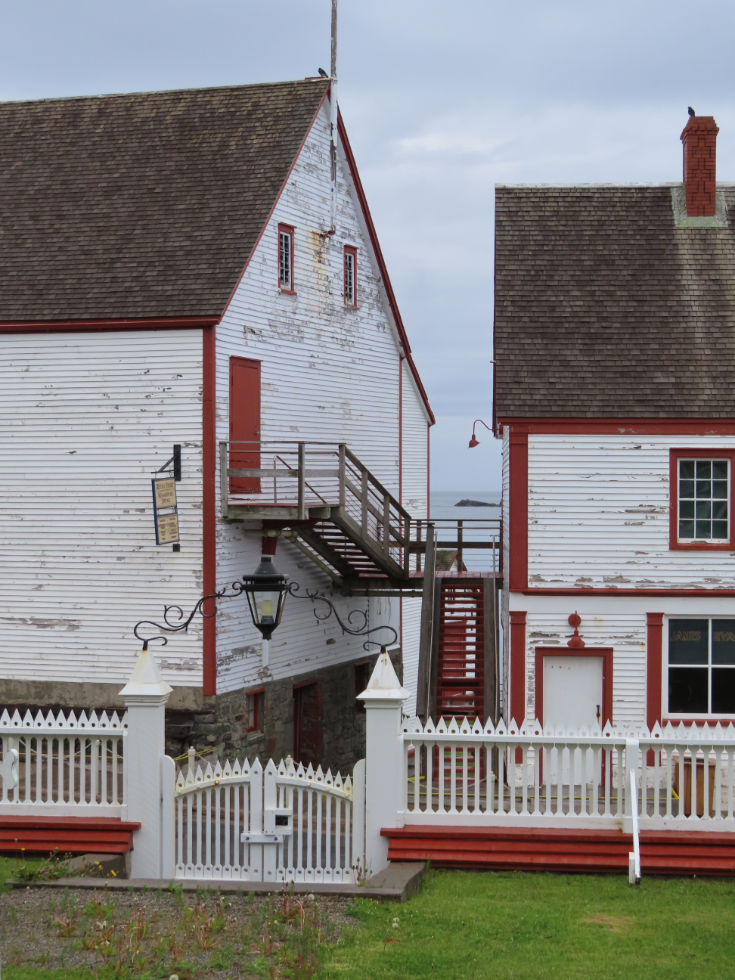
The Bonavista Museum is also housed within the Ryan Premises.
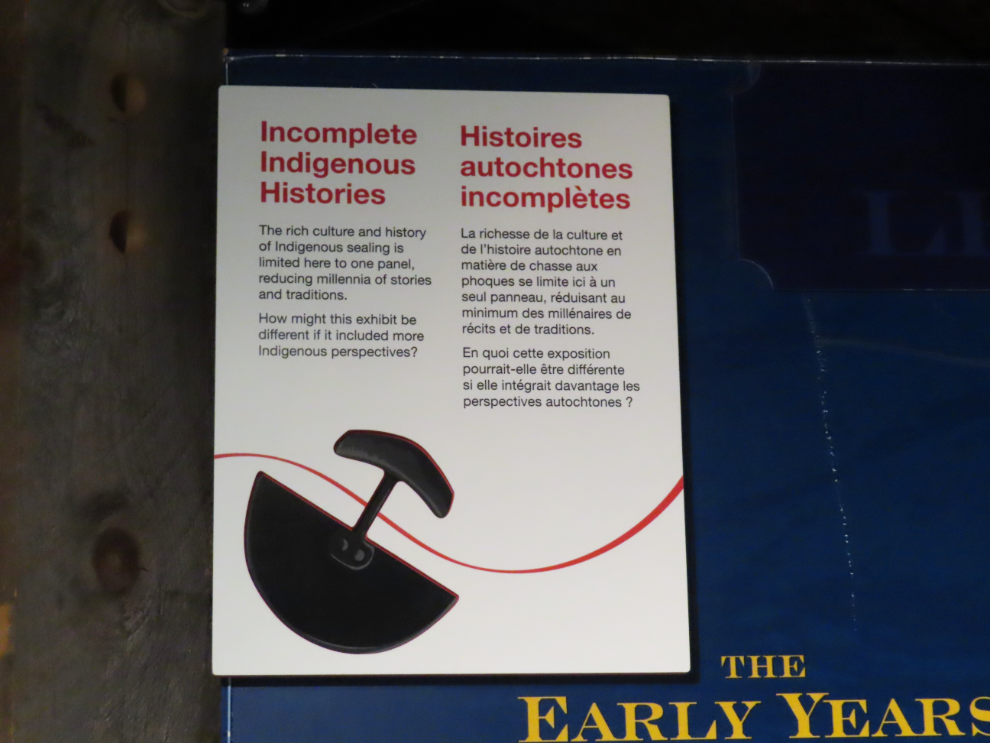
It’s nice to see Parks Canada re-thinking policies, and letting people know about it: “Incomplete Indigenous Histories. THe rich culture and history of indigenous sealing is limited here to one panel, reducing millennia of stories and traditions. How might this exhibit be different if it included more indigenous perspectives?”
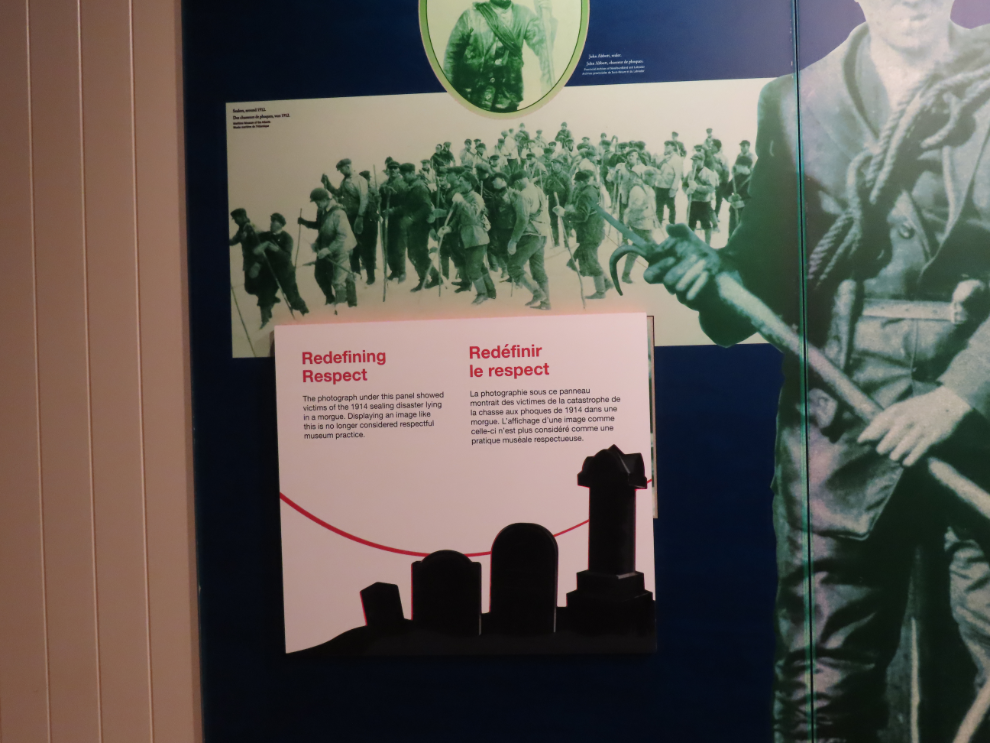
We have seen comments like this about death and cemetery artifacts in other places: “The photograph under this panel showed victims of the 1914 sealing disaster lying in a morgue. Displaying an image like this is no longer considered respectful museum practice”
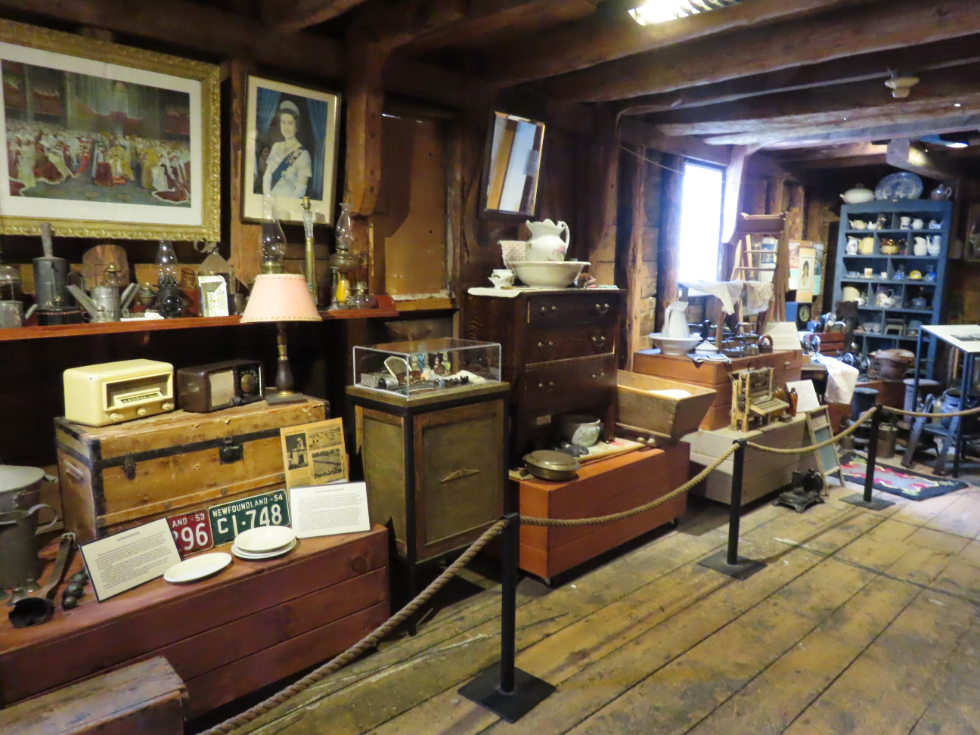
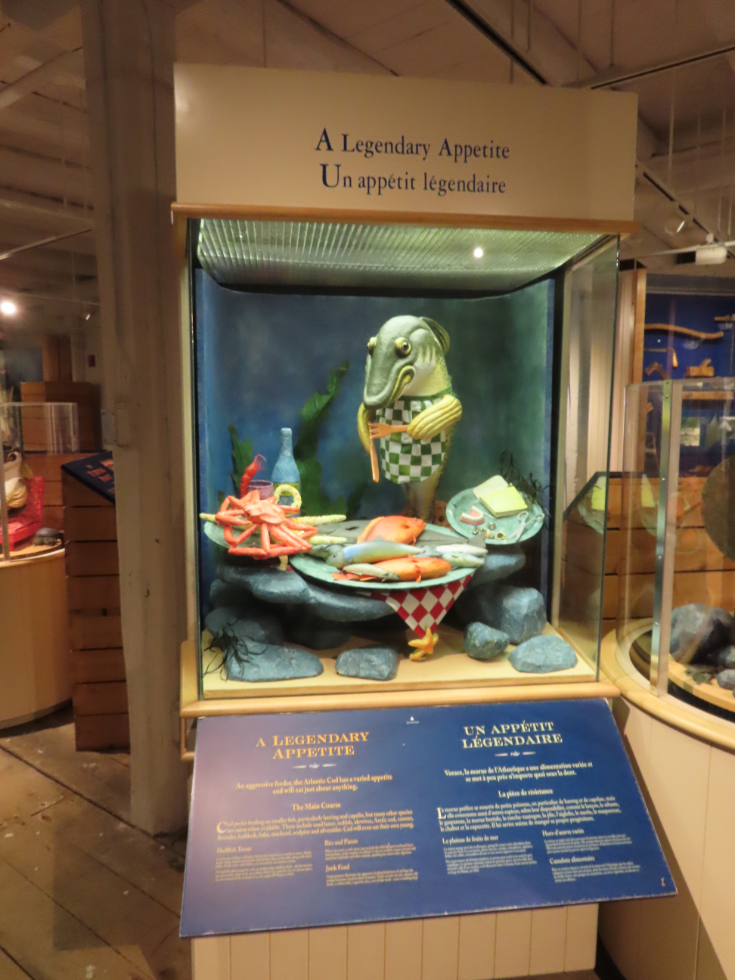
The large room about cod was particularly amazing. Some of the exhibits were wonderfully quirky 🙂
Our visit to Ryan Premises ended sooner than it might have. Three museums today was one too many. My brain crashed badly here and Cathy had to help what looks like a stumbling old drunk back to the RV. Some quiet time was required before driving away.
We arrived back at the Cape as a storm was hitting, just before 4:30. We got a great parking spot on the sea edge of the lot – this was the view out the front window when we got set up. The forecast for the night was calling for heavy rain and high winds.
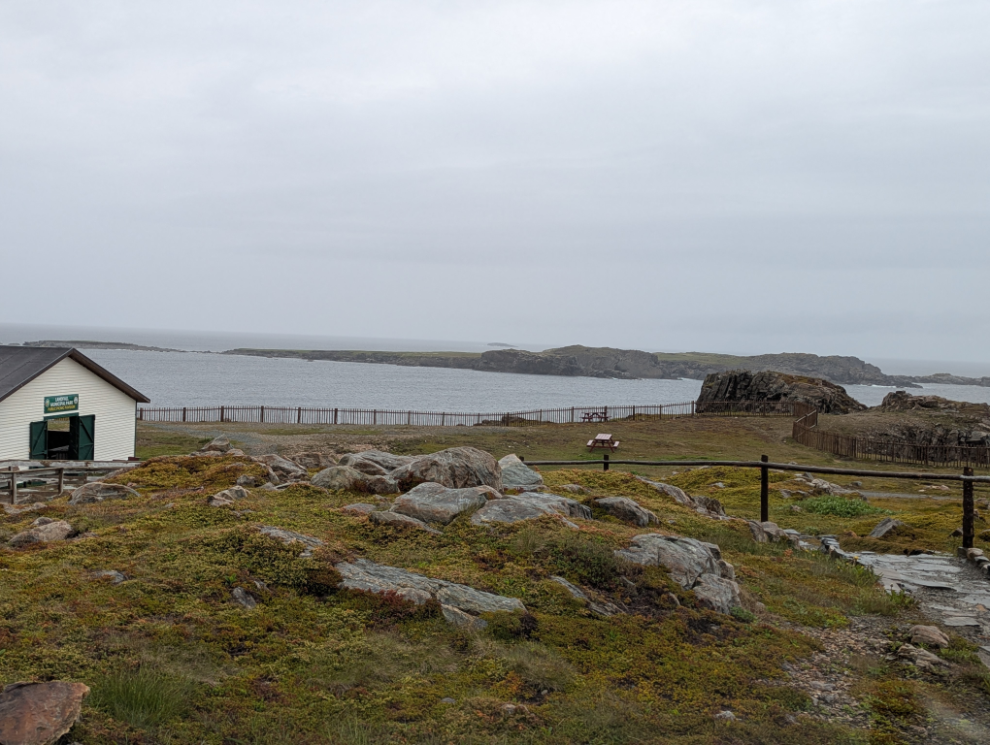
I closed the day with this post on Facebook at 8:15pm: “It is a wild night!! The wind is rocking the motorhome, the rain is pounding on the roof and east wall, and the foghorn at the lighthouse has been sounding every minute for the past 3 hours or so. The wind and rain both keep getting stronger. Cathy hates this kind of weather and went to bed an hour or so ago. This is the view out the west-side window now.”
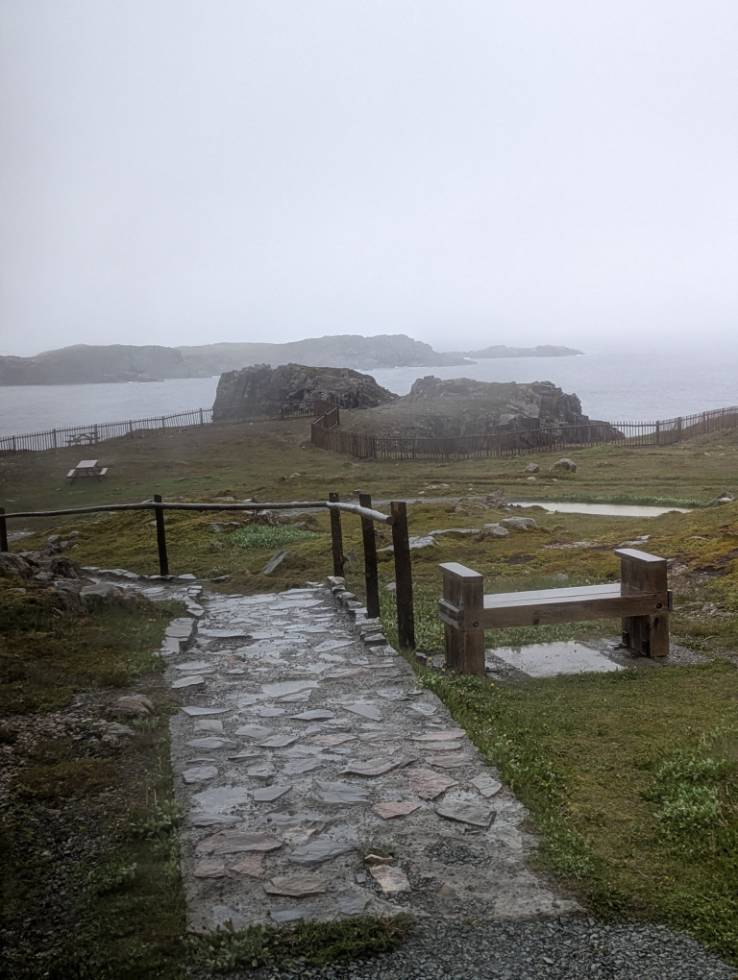
The next day would be a deeper look at Bonavista – the community, not more museums.
About The Author
