To the Alexander Graham Bell museum, and on to Cheticamp
On Friday, July 3rd, Day 36 of our trip, we arriving back in Nova Scotia via Marine Atlantic ferry from Newfoundland – after spending 3 days in Nova Scotia when we first arrived 5 weeks ago, this was now our 4th day in the province. Our only planned stop was the Alexander Graham Bell National Historic Site at Baddeck, and we had a reservation for two nights at an RV park overlooking the beach just south of Chéticamp.
I had expected the thick fog to dissipate about half-way between Newfoundland and Nova Scotia, but we were already abreast of land when I shot this photo as we sailed out of that wall of fog at 07:52.
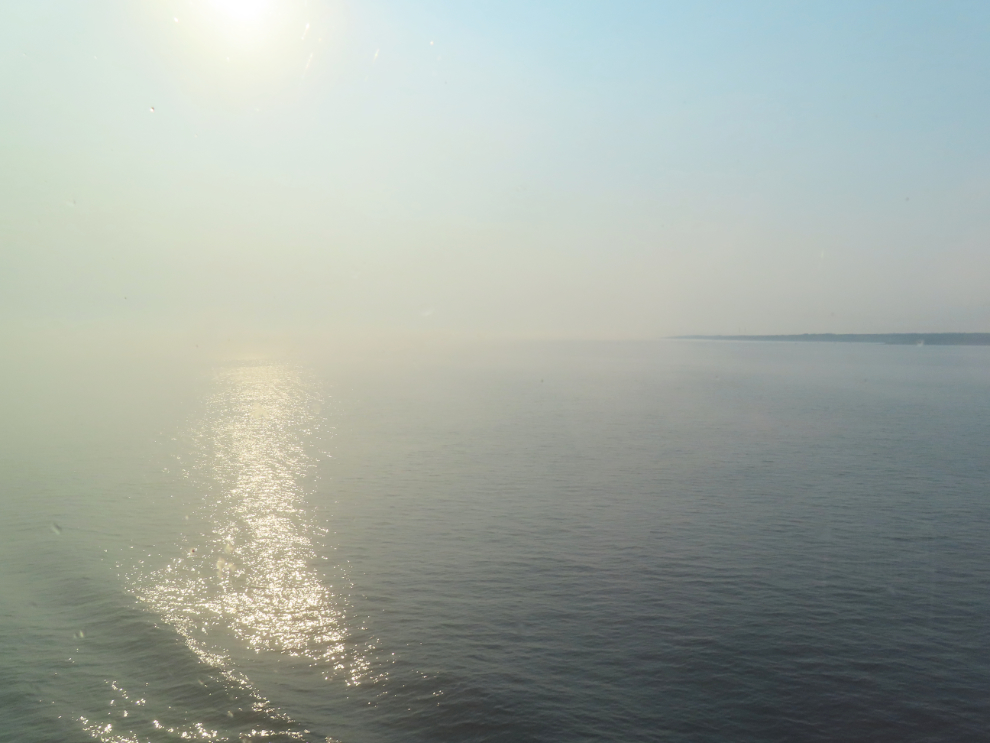
Even with the mist, which was rapidly burning off, the sail-in was very scenic.
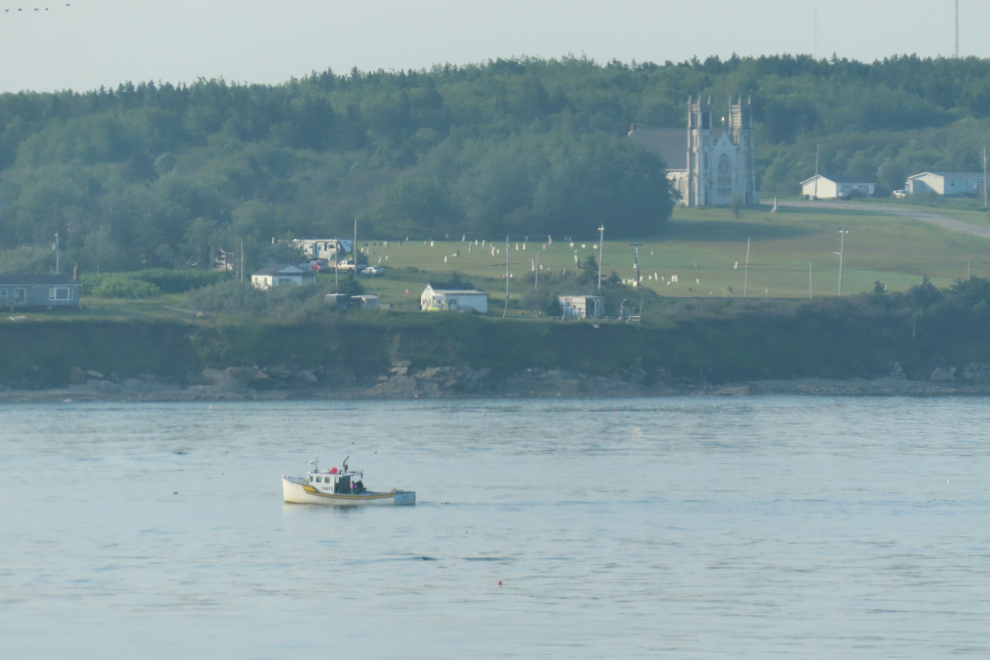
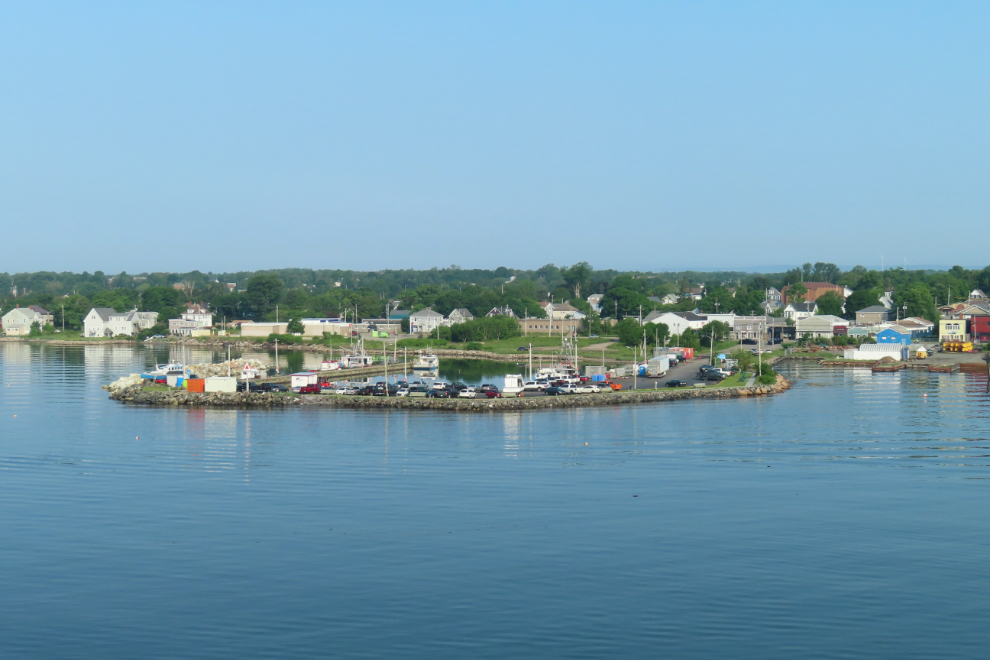
Just before 09:00, we went back down to the RV, and we were soon off the ship and on our way.
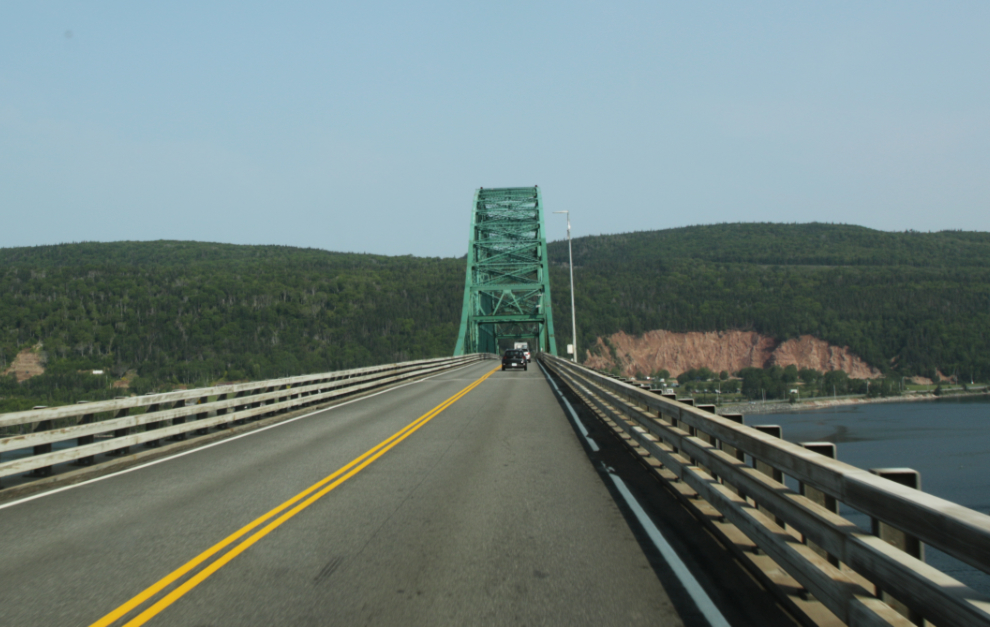
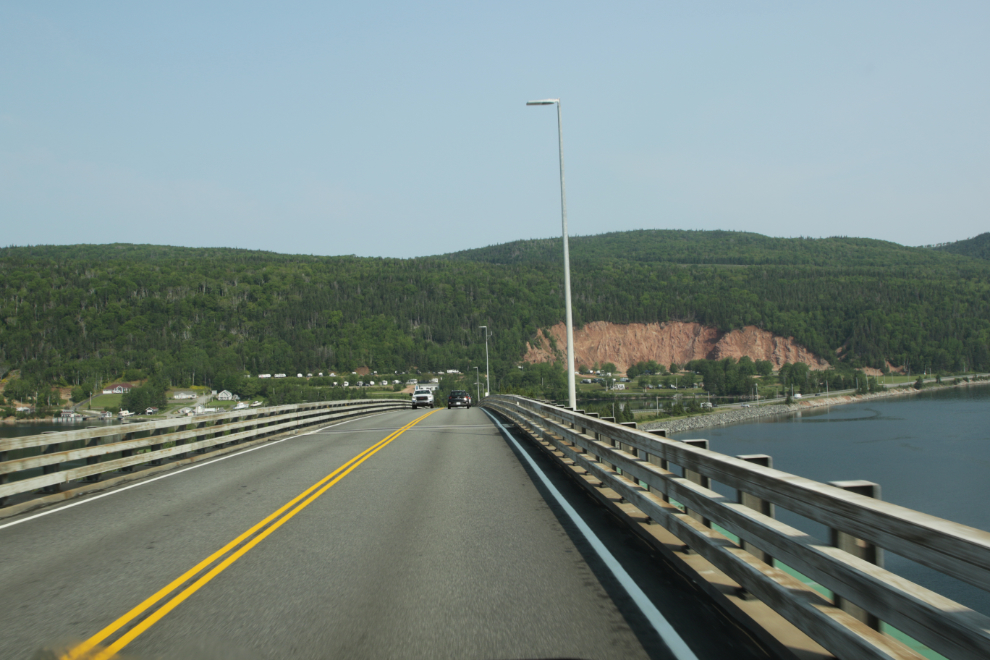
The sight of the very impressive Seal Island Bridge immediately changed Cathy’s position from Navigator to Photographer! 🙂 Completed in 1961, the bridge carries Highway 105, which is the Trans-Canada Highway here, across the Great Bras d’Or channel of Bras d’Or Lake. It’s 716 meters (2,350 feet) long.
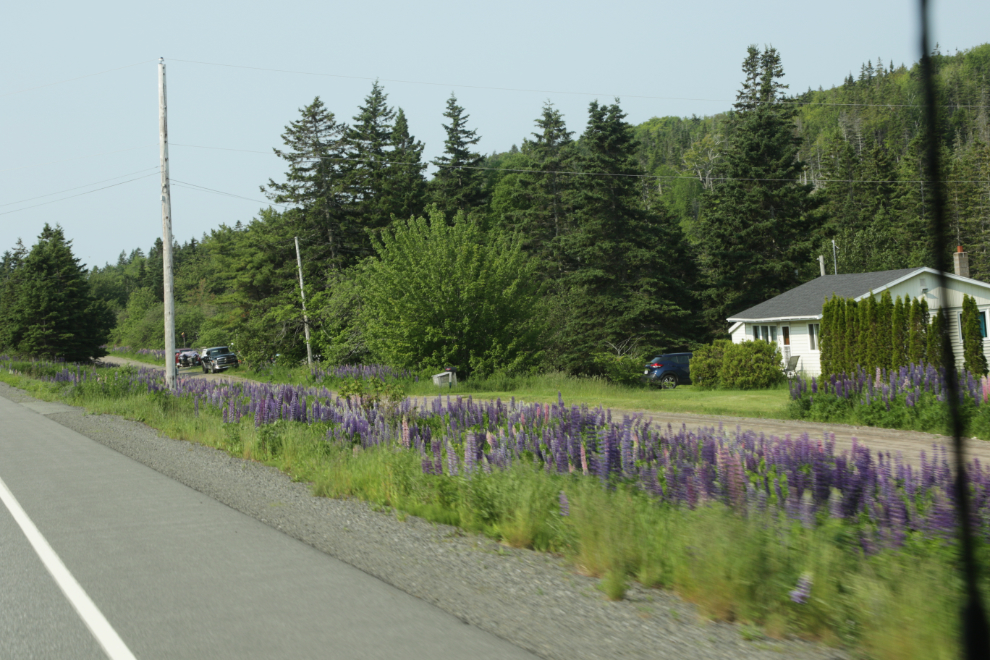
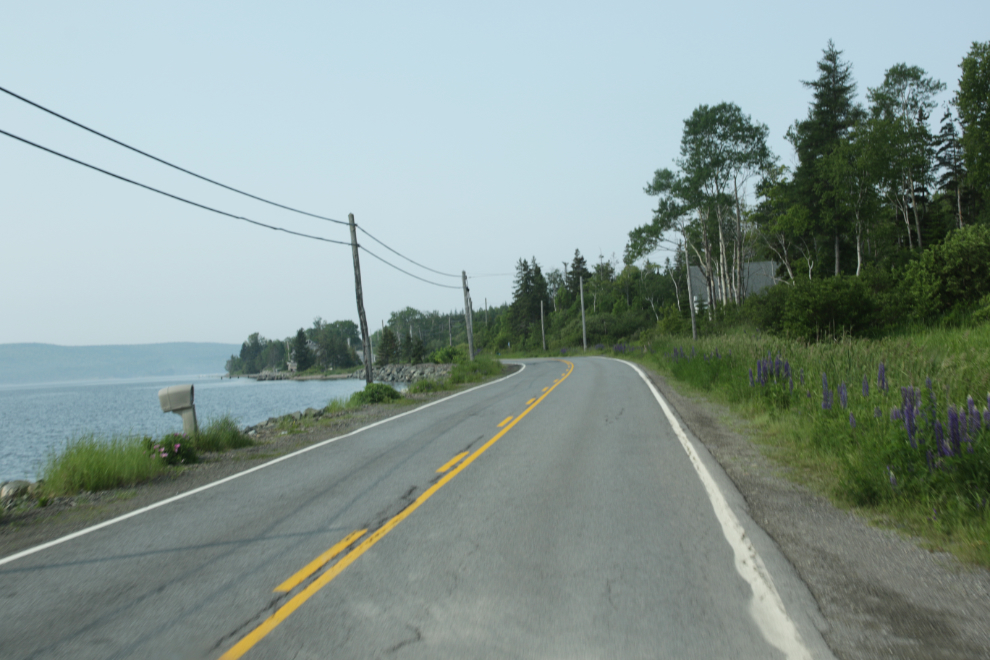
The lupine were brilliant at many places long the highway, and Cathy managed to get a couple of those scenes into the camera.
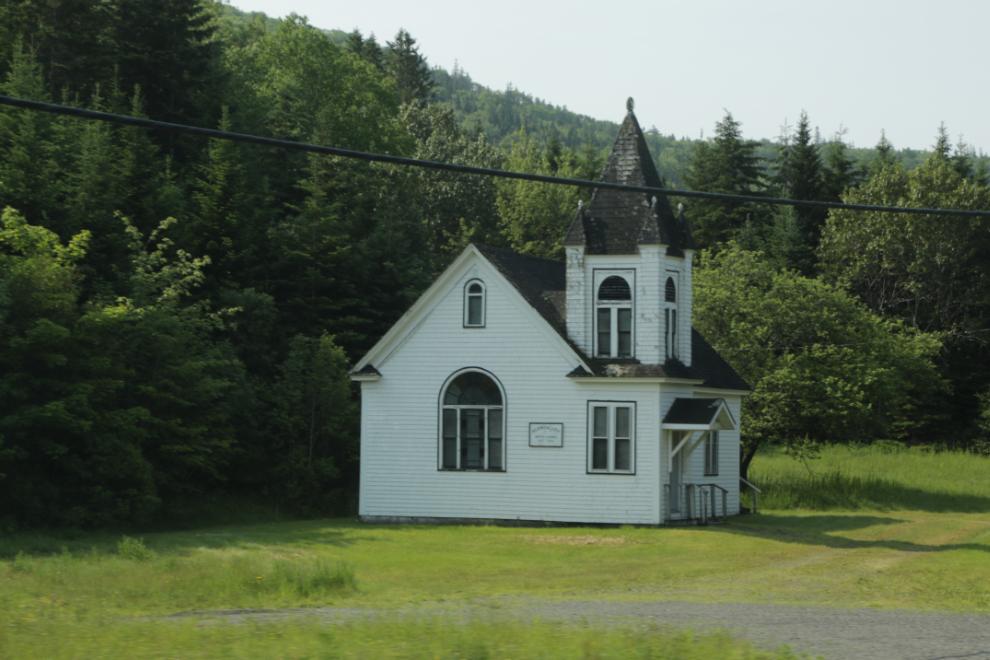
Churches are tough to capture on the fly like this, but Cathy got this shot of the Glenvalley United Church. It was dedicated on September 29, 1929. When she worried about taking a lot of photos that I would delete, I said “film is cheap” 🙂
Adding water in any form to the scenery along the highway is always nice. This is another arm of Bras d’Or Lake.
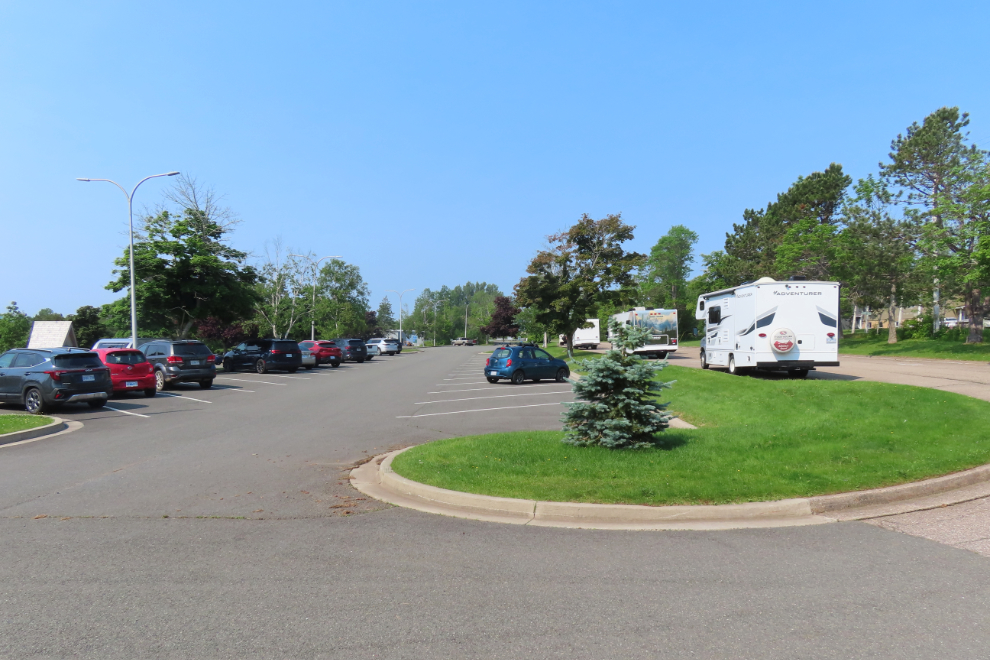
Arriving at the Alexander Graham Bell National Historic Site, it was a relief to find parking even for RVs dead simple.
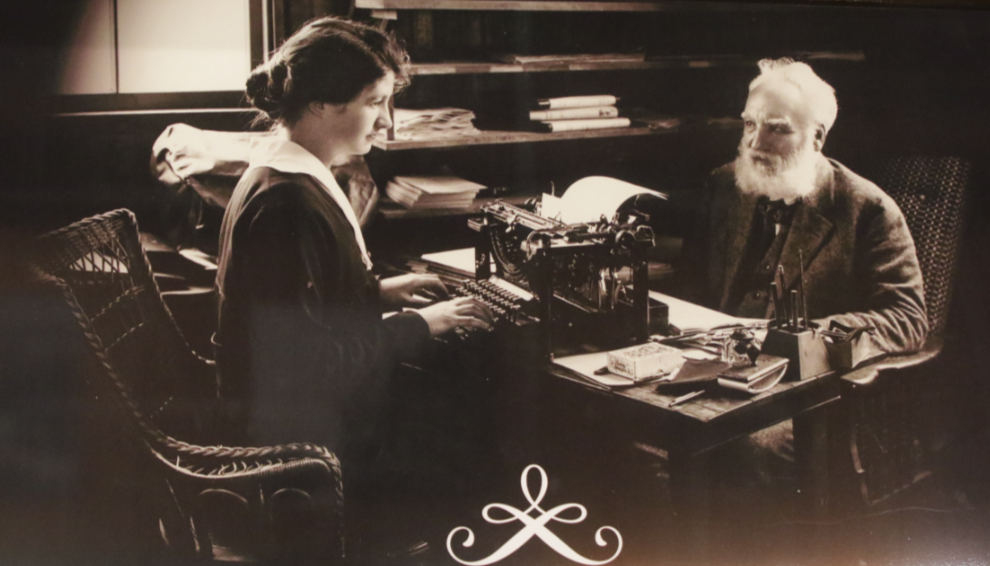
I’ll begin by saying that the site does an extremely job of describing the life of Mr. Bell, but also his wife Mabel Hubbard Bell, and his long-time secretary, Catherine MacKenzie. I quickly learned how little I knew about Bell. This is my favourite photo from the entire museum – Bell with Catherine MacKenzie.
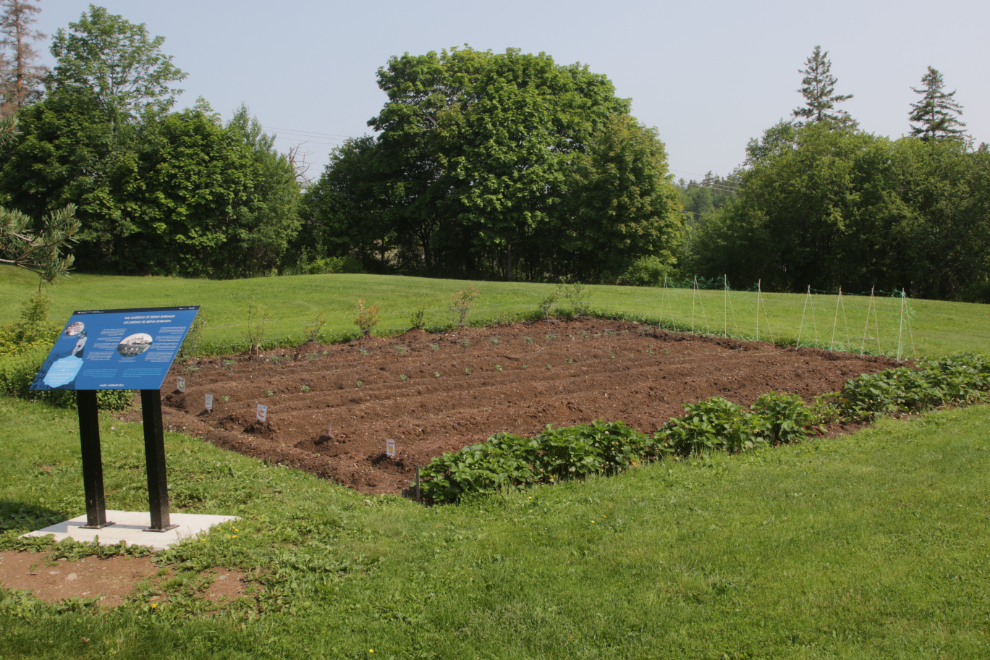
We began at Mabel’s Garden. She was an avid gardener, and the flower and vegetable gardens here were inspired by the gardens at their home, the Beinn Bhreagh estate, and Mabel’s own detailed notes.
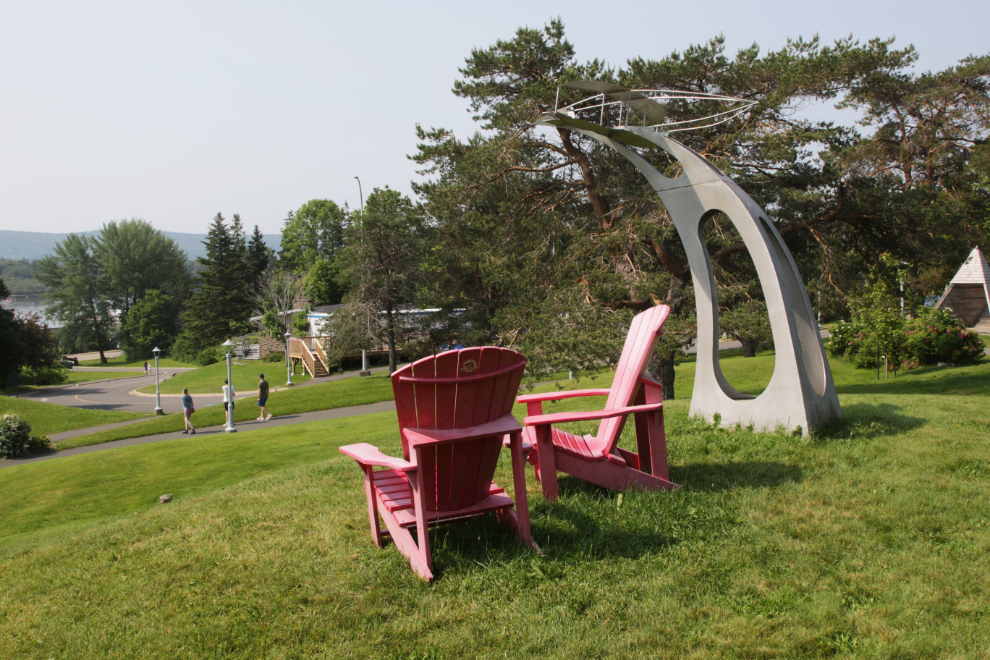
This sculpture was initially created in 1959 to honour the Arial Experiment Association, consisting of Alexander Graham Bell, F. W. Baldwin, Glenn H. Curtiss, J. A. D. McCurdy, and Thomas E. Selfridge, and of the Silver Dart aircraft they deigned and built. On February 23, 1909, the Silver Dart took off from the frozen bay below this point, to become the first flight by a British subject in the British Empire.
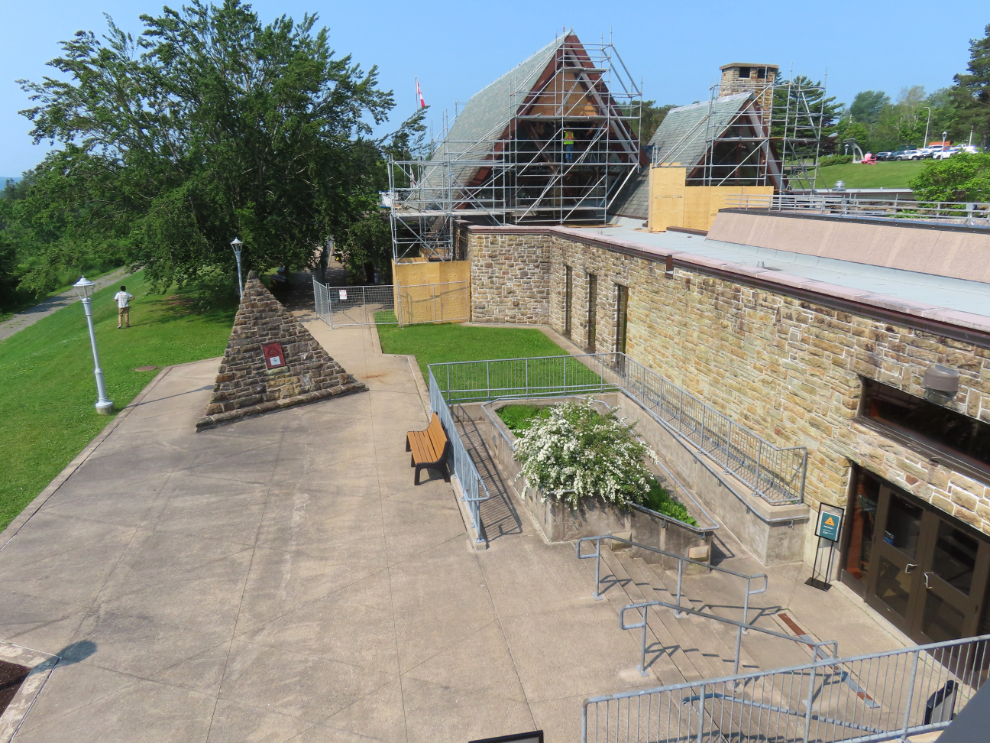
From the huge outside deck on the upper floor, you get an idea of the major renovations being done to the building. The entrance used to be where the sheets of plywood are.
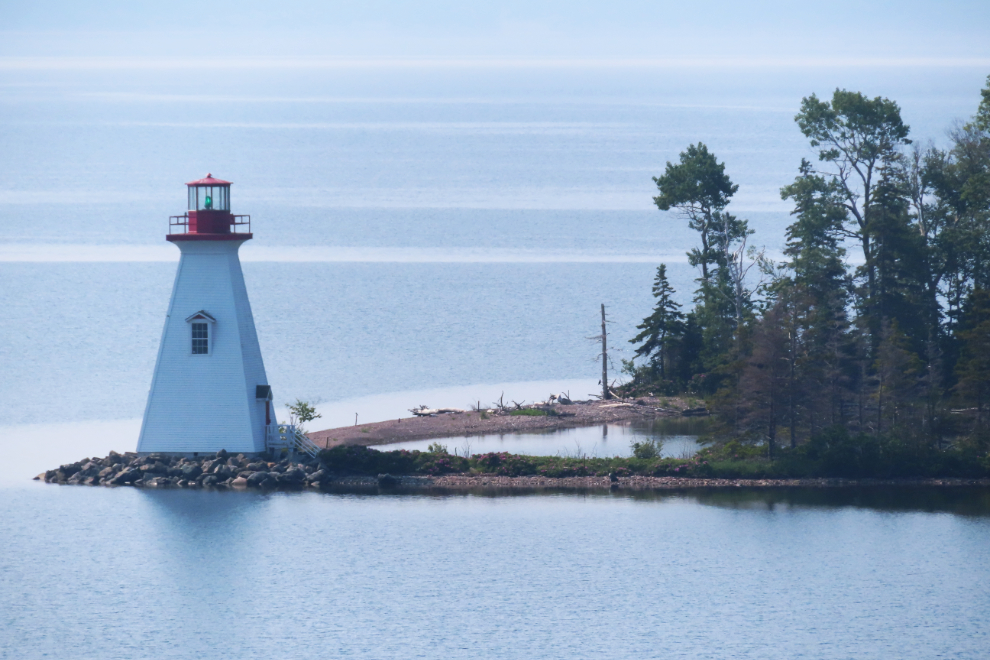
That deck also provides a good view of the Kidston Lighthouse. Apparently the Beinn Bhreagh estate can also be seen from there, but I didn’t see it or know to look for it.
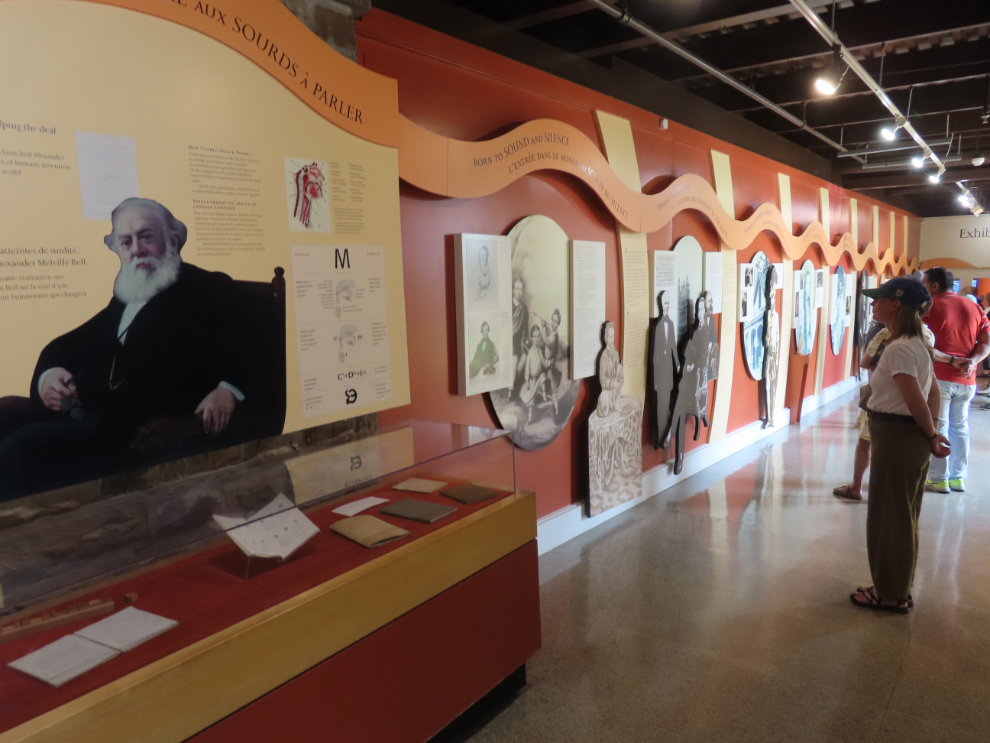
When you came in the entrance that’s now being renovated, this timeline was the first thing you saw. It provides a detailed summary of Mr. Bell’s life and accomplishments.
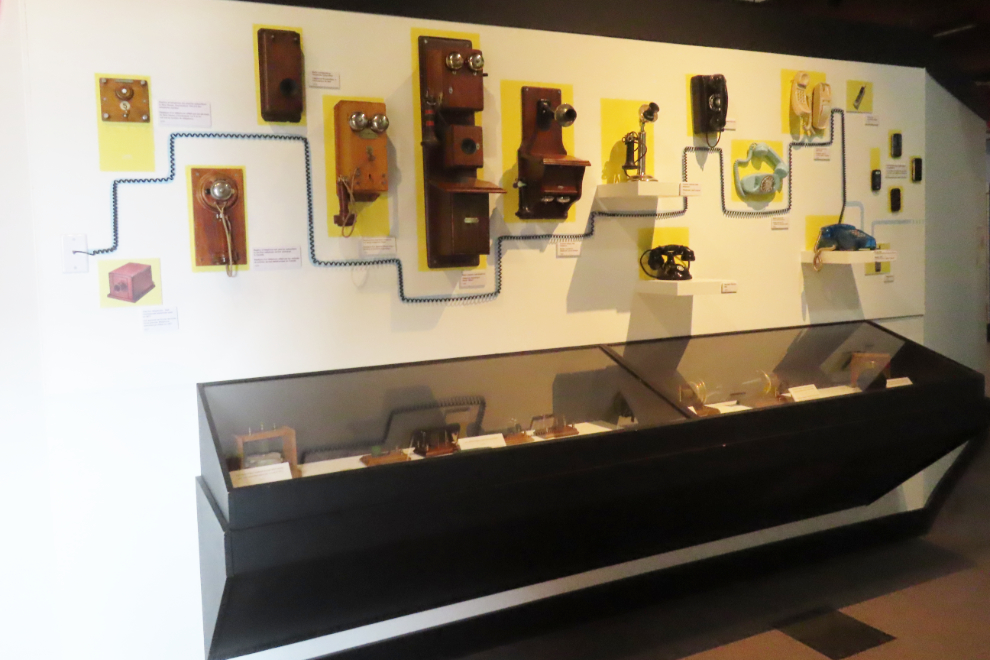
Going into the main exhibit area, they start off with the easy one – the telephone, with 18 of its many variations through its evolution.
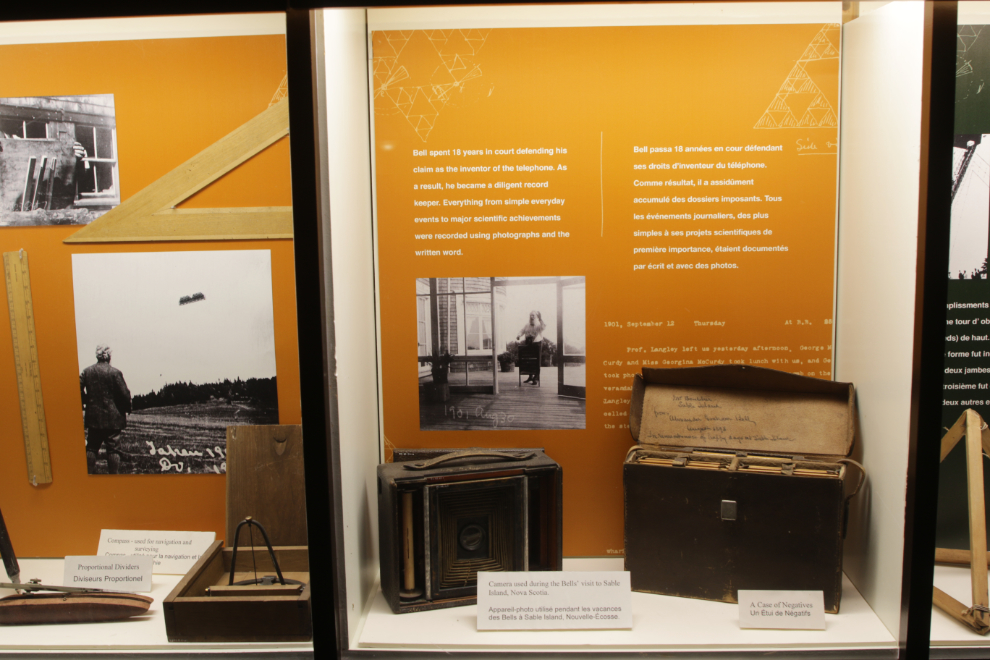
From there the displays go into the vast array of projects he worked on, several involving deaf people, but also aviation in various ways, a telephone without wires called the photophone, an improvement to Thomas Edison’s phonograph called the graphophone, and countless other things. He spent 18 years in court defending his claim as inventor of the telephone, and as result he became a diligent record keeper – everything from everyday events to major scientific achievements were recorded using photograph and the written word.
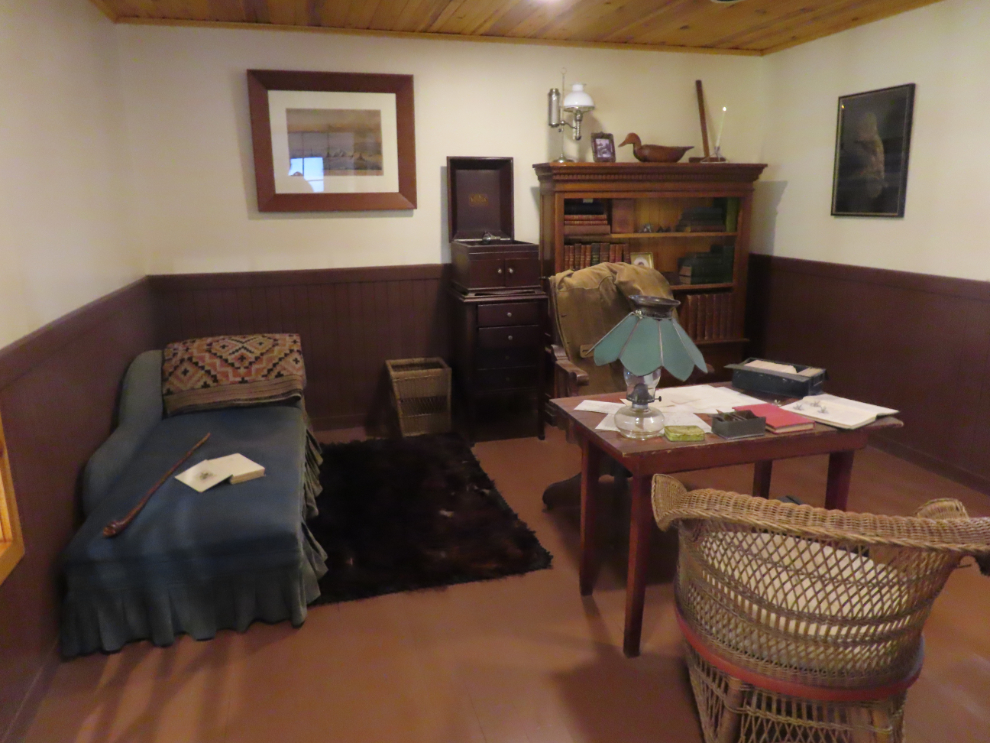
Wherever Bell lived he had a study – a retreat where he could work undisturbed. The artifacts in this display came from his study at Beinn Bhreagh and his office in the Kite House.
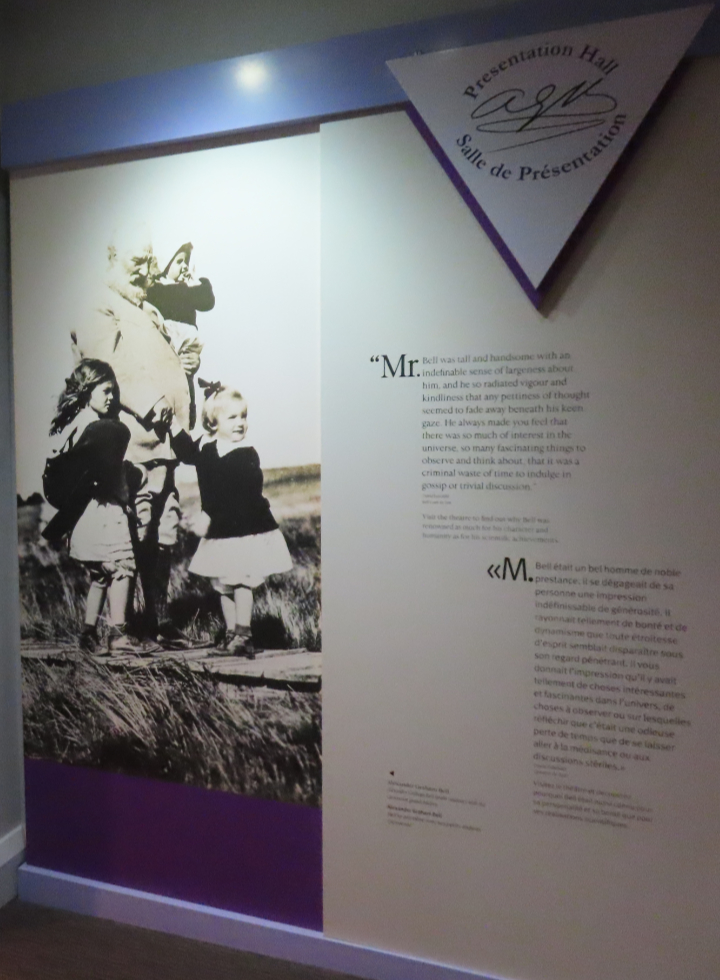
“Mr. Bell was tall and handsome with an indefinable sense of largeness about him, and he so radiated vigour and kindliness that any pettiness of thought seemed to fade away beneath his keen gaze. He always made you feel that there was so much of interest in the universe, so many fascinating things to observe and think about, that it was a criminal waste of time to indulge in gossip or trivial discussion.”
After a little over an hour in Bell’s world, it was time to move on, north into Cape Breton on Route 30, the Cabot Trail. As we drove, the road had more and more curves and in general the hills got higher.
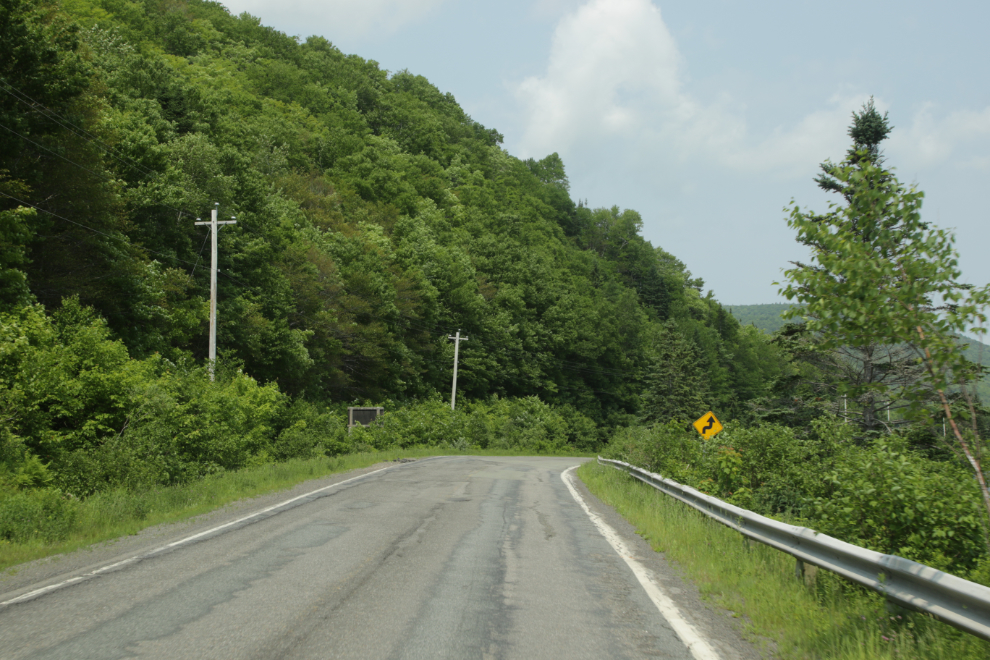
It was nice to be in farm country – some of the farmhouses had been there for a very long time.
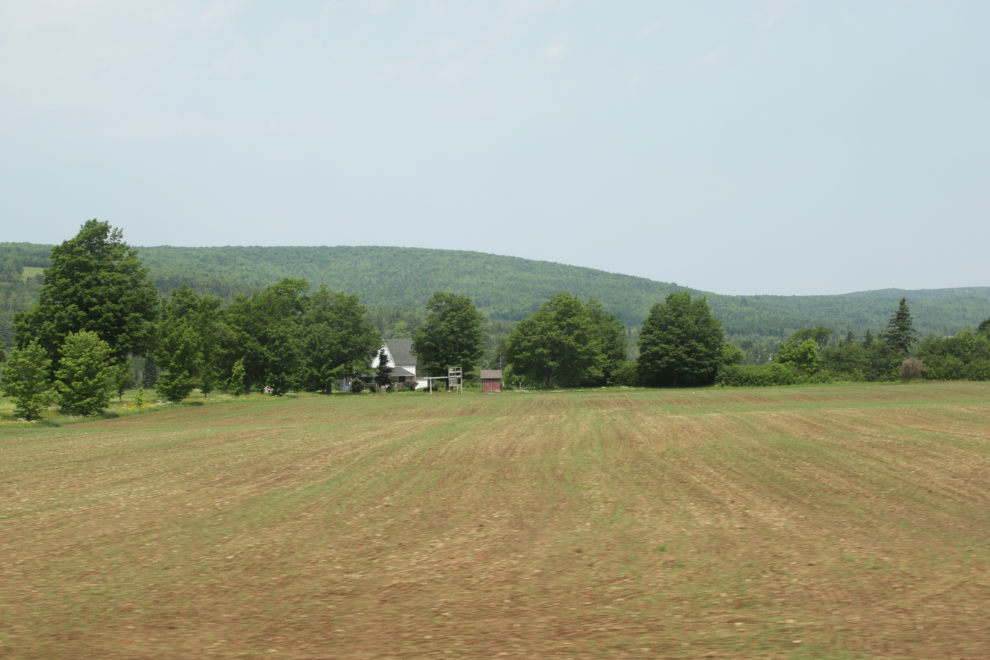
I haven’t figured out yet where exactly the next two photos were shot.
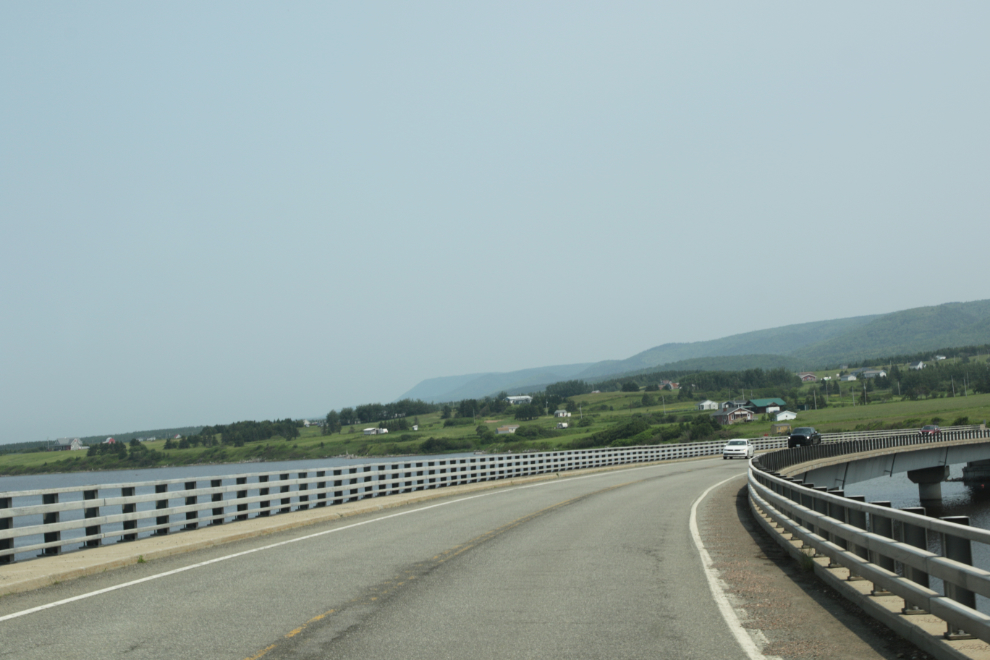
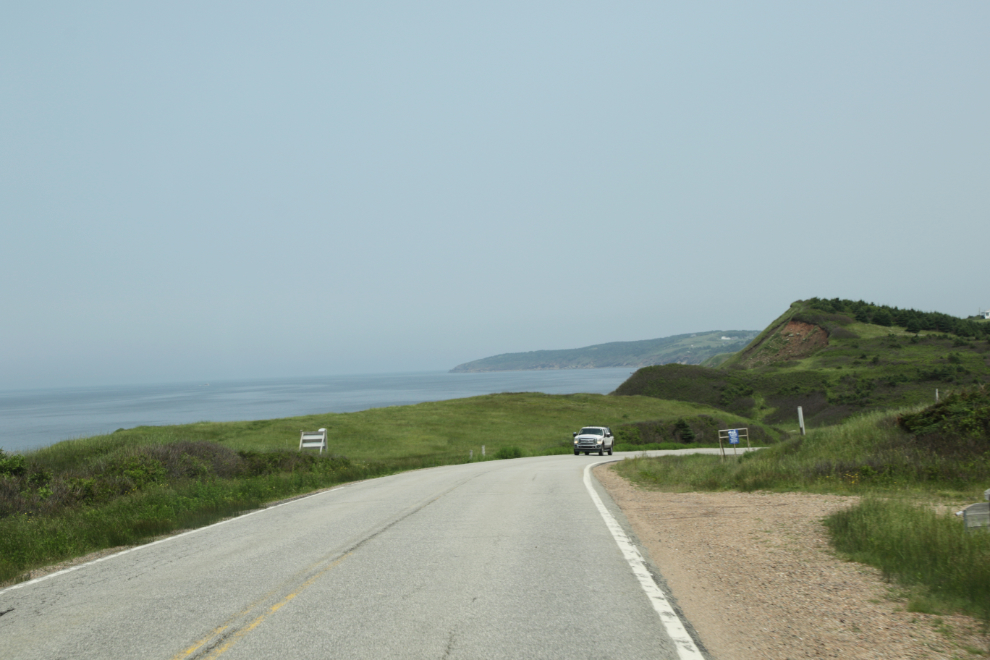
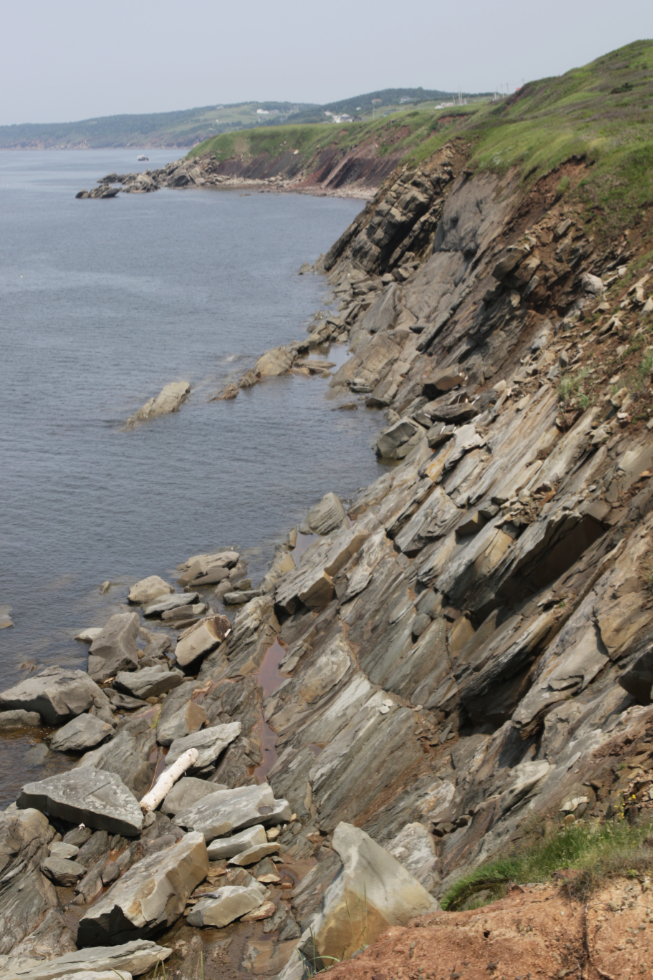
Just south of Saint Joseph du Moine there was finally a place to pull off and look at the spectacular coastline.
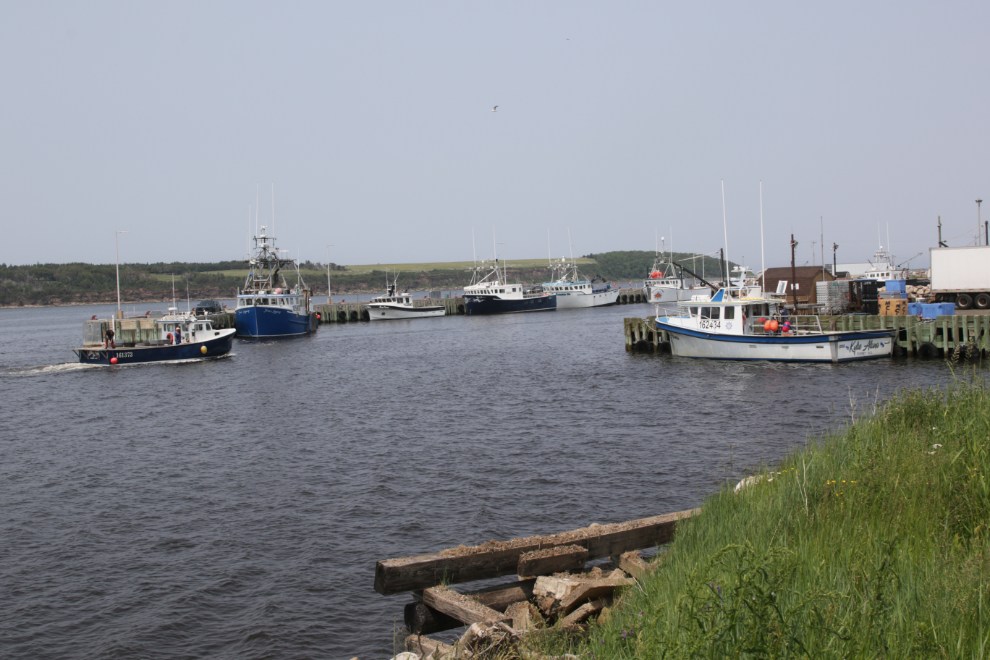
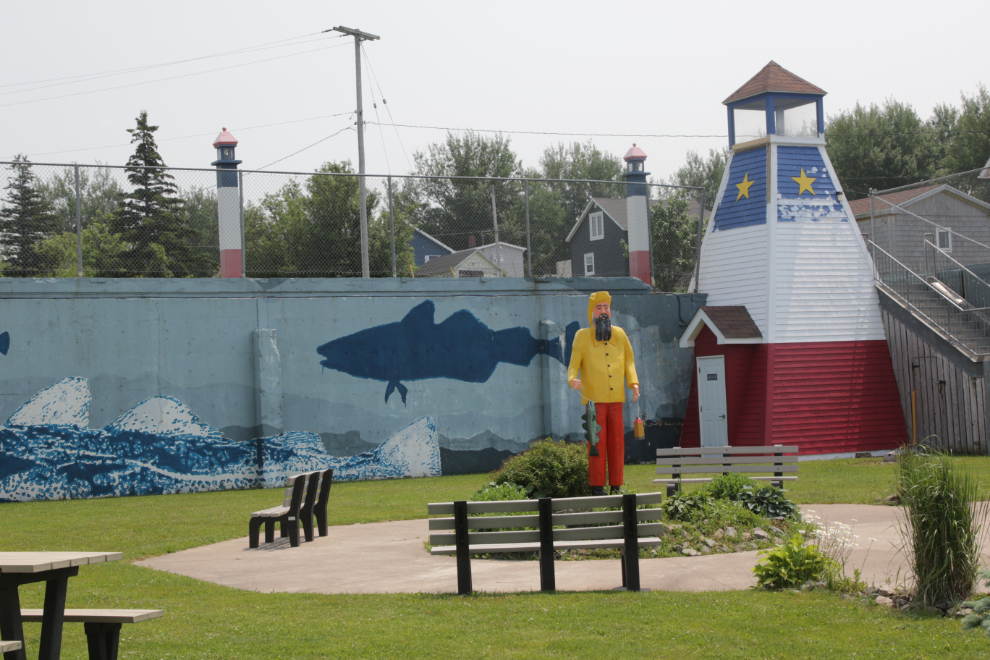
We drove by our RV park to Chéticamp just for a brief look to see if any must-sees stood out. As the centre of Acadian culture, the thing that stood out was that it felt like we had somehow ended up in Quebec 🙂
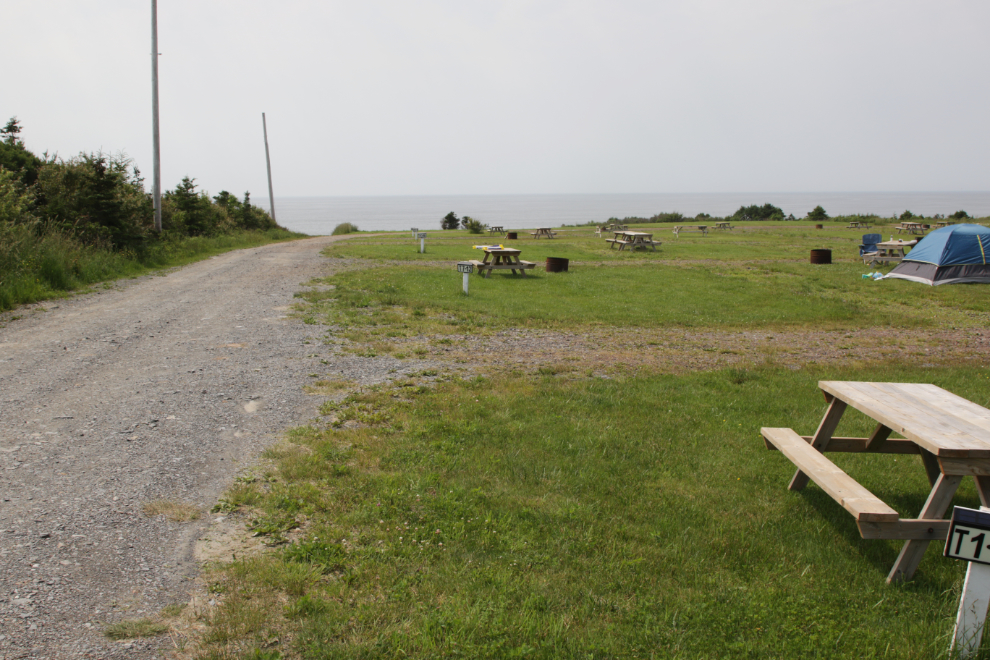
We backtracked to the Waves End RV Park, and were immediately impressed by the property and by the owners – this was a great choice. This is the lower part of the park, which is for tents.
A set of stairs leads down to the beach.
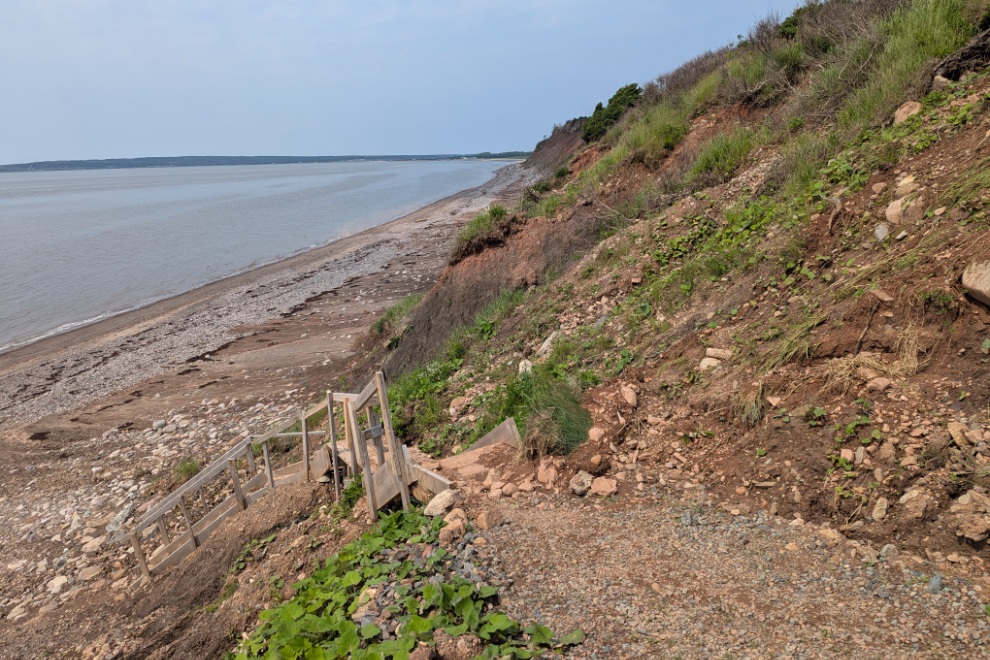
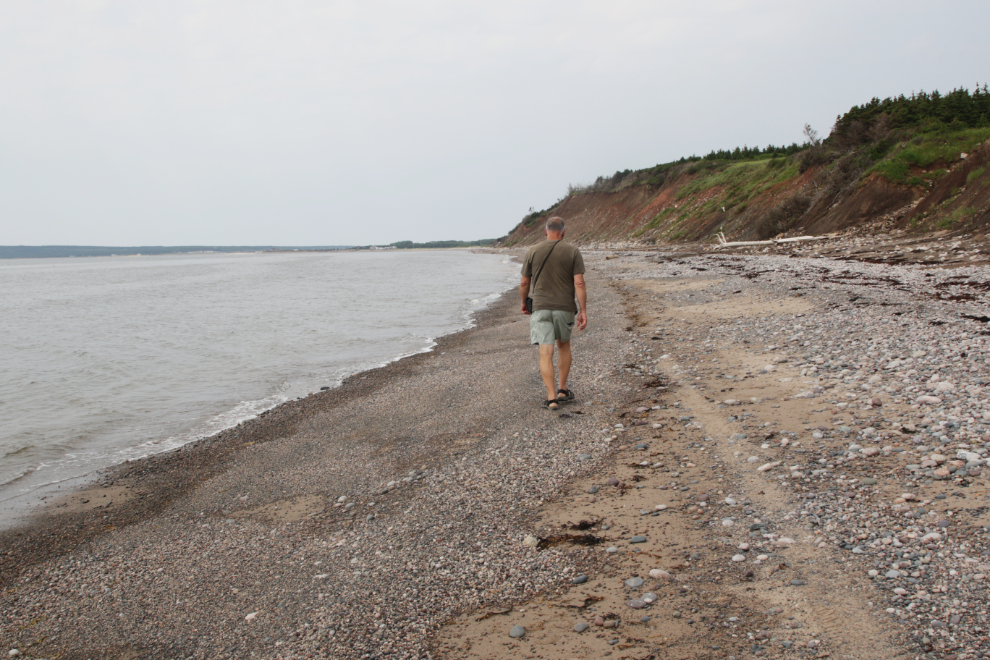
It’s a good beach for a walk. It was too rocky to go barefoot so not a great beach, but a good one.
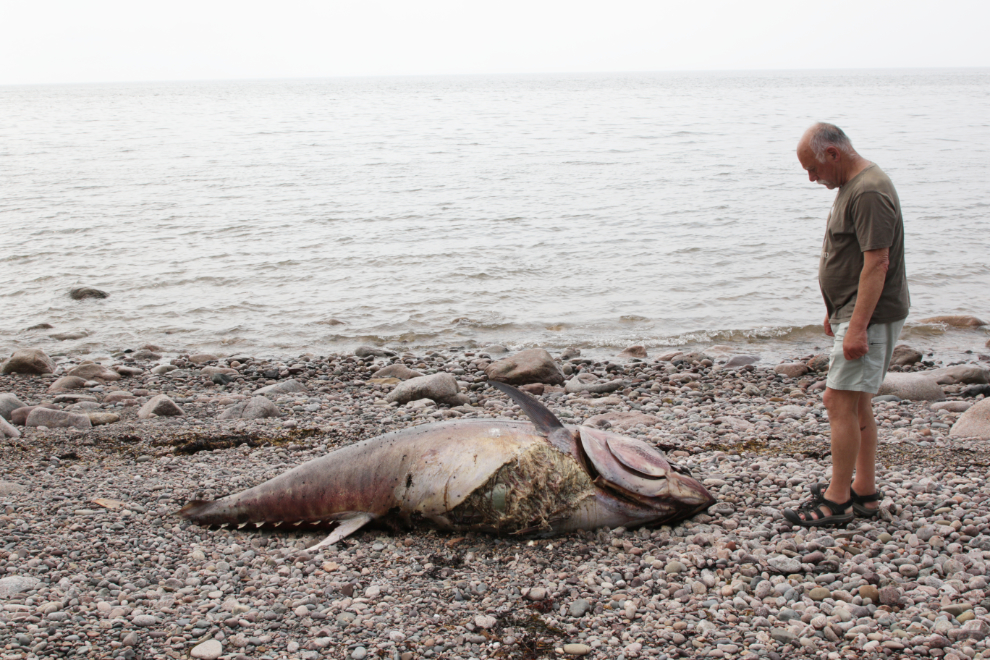
Having never seen tuna except in a can, finding 300-400 pounds of it washed up on the beach was pretty cool!
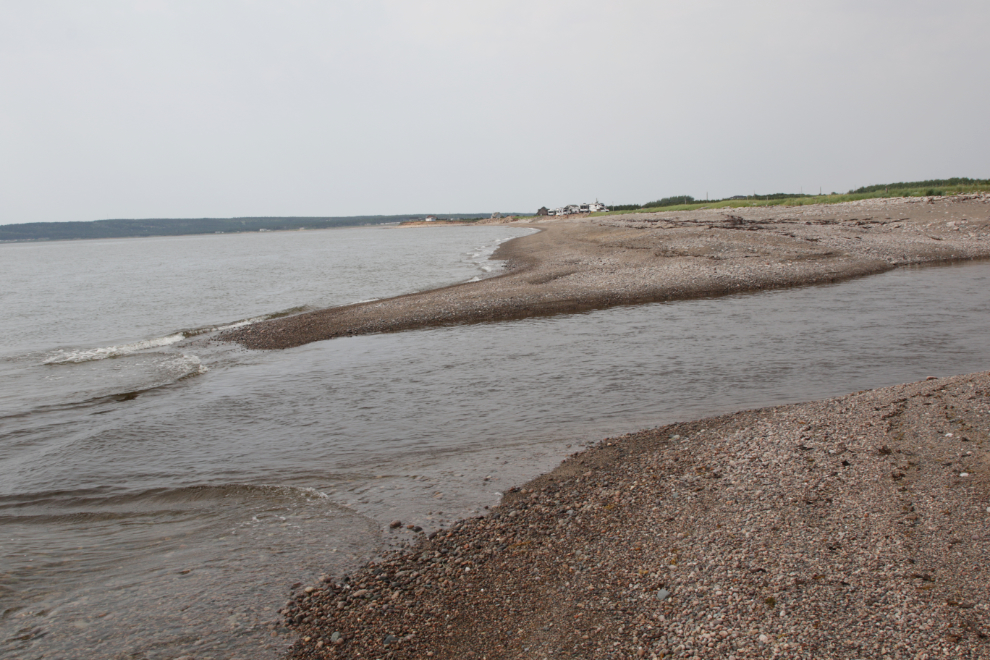
I kept walking until stopped by a small river, just deep enough that I didn’t want to wade across. I put just over 4 km on during that walk, and had the beach to myself.
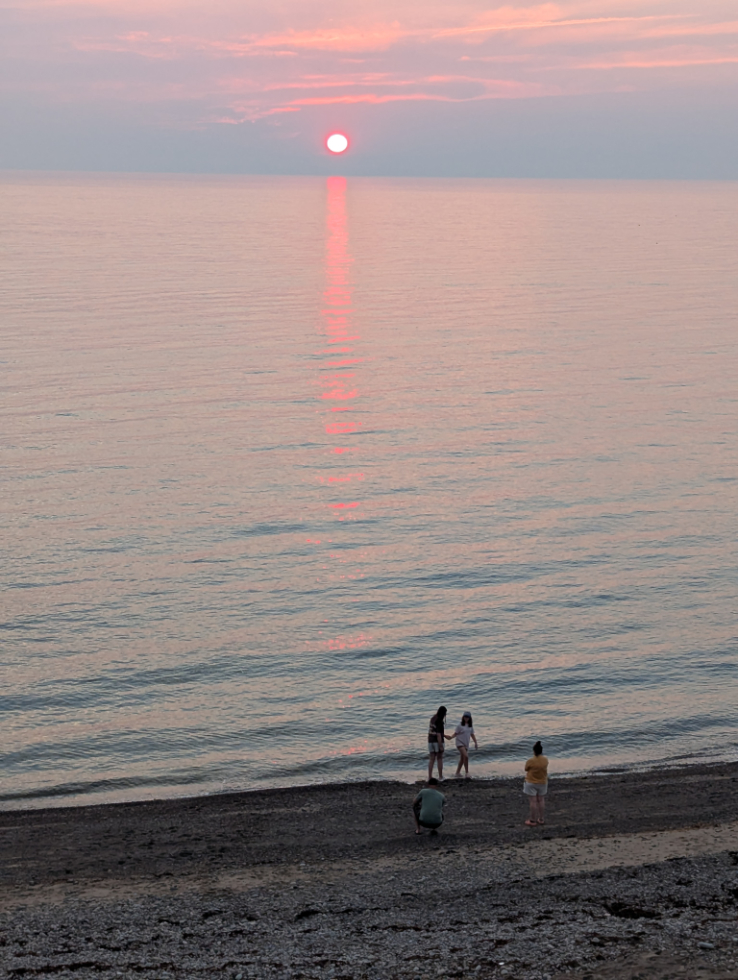
Sunset that night was spectacular. No amount of editing the photo brought out the deep red colour of the sun, though.
The next day, we would drive up to Cape Breton Highlands National Park, then return to Waves End for another night.

About The Author
