A 3-museum day in Halifax
Day 4 of the trip (June 1) was a very enjoyable day of just wandering around the Halifax waterfront, but the next day we were on a mission, to experience what we had identified as the three museums that would best help us understand the Halifax area. First, the Canadian Museum of Immigration at Pier 21. Then we would take a taxi up the hill to Halifax Citadel National Historic Site. Then we had a break planned back at our hotel, followed by a late visit to the Maritime Museum of the Atlantic, which was open until 8pm. By the end of the day we were extremely pleased that the day had worked out exactly as we had hoped – with a wild lightning-and-torrential-rain storm to add some Maritime flavour 🙂
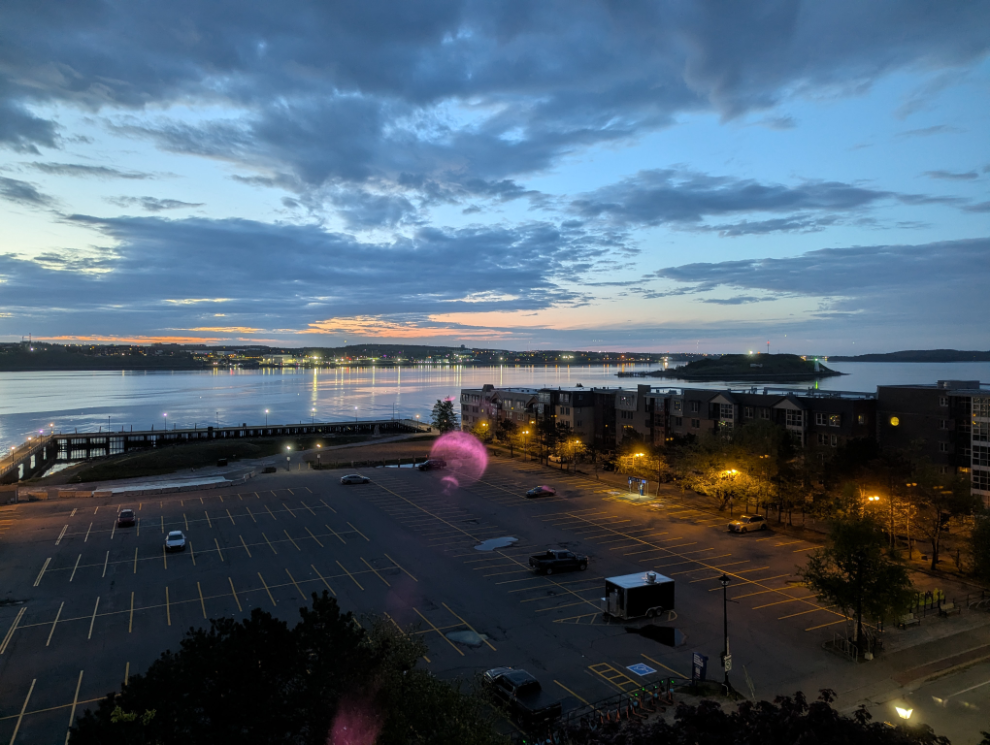
I posted the first photo of the day on Facebook with the simple comment “05:00 – looks like another fine day ahead in Halifax ♥️”
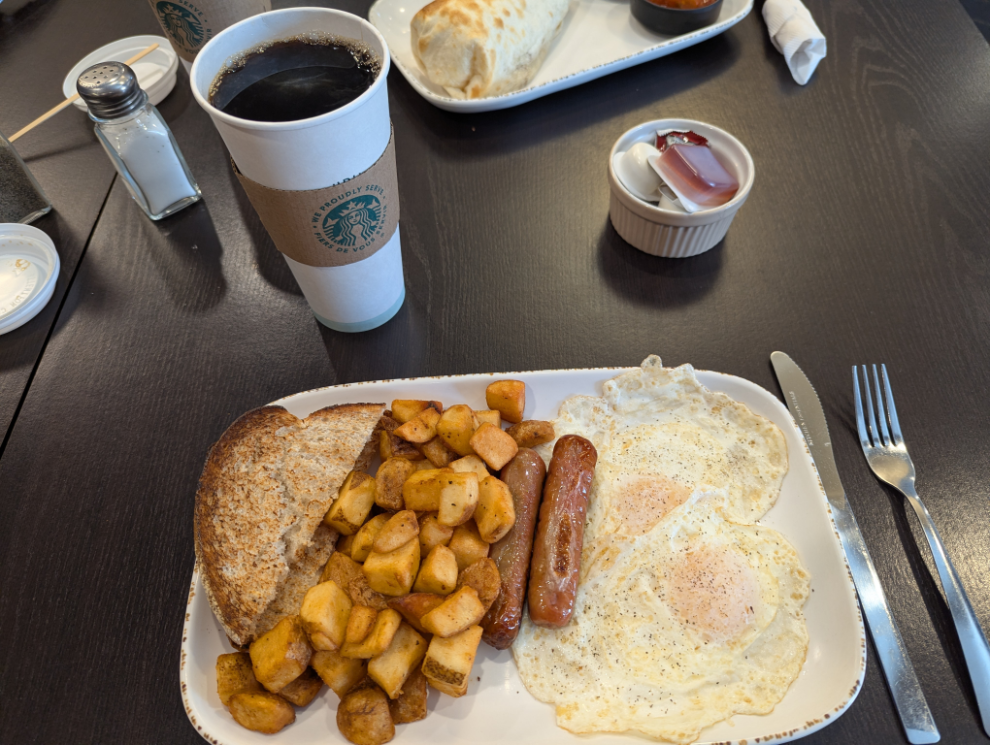
We fuelled up with a very basic breakfast in the hotel lounge.
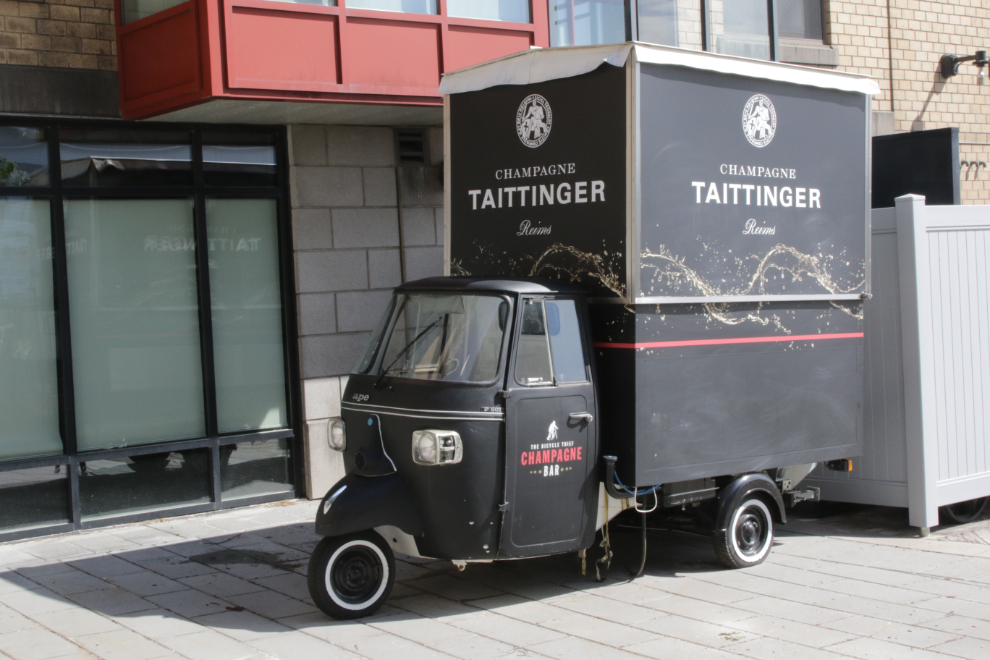
The first photo I shot on our walk to the Museum of Immigration, right at 10:00, was of this cool little champagne truck.
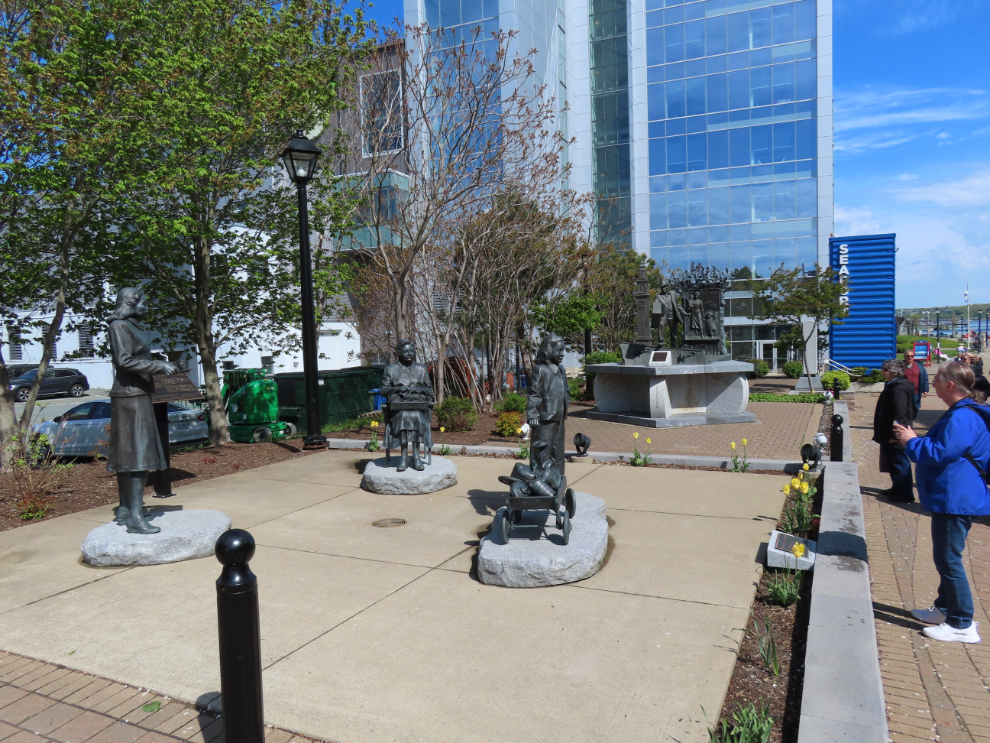
There are some wonderful monuments in Halifax, and several in this part of the waterfont are particularly notable. “The Volunteers” was created by Canadian artist Marlene Hilton Moore, chosen in a national competition for this project of the Halifax Women’s History Society. The three life-size bronze figures represent an African Nova Scotian canteen worker with her tray, an older woman with her Mi’kmaq basket containing knitting supplies, and a young girl with her wagon piled with salvage items. Each figure rests on Nova Scotian granite base. It was unveiled on November 16, 2017.
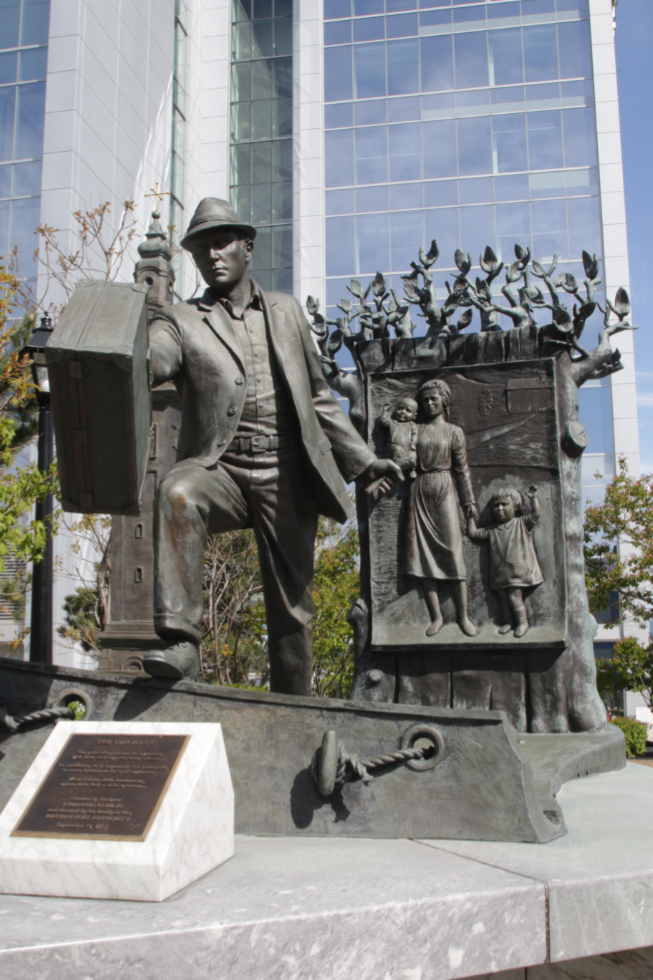
“The Emigrant” was created by Armando Barbon and was donated to Halifax by his family, unveiled on September 19, 2013. This scene, showing a man dressed in his best clothes rushing off to find a better life while his wife and children waited for letters telling of his progress, has been played countless millions of times through Canada’s history.
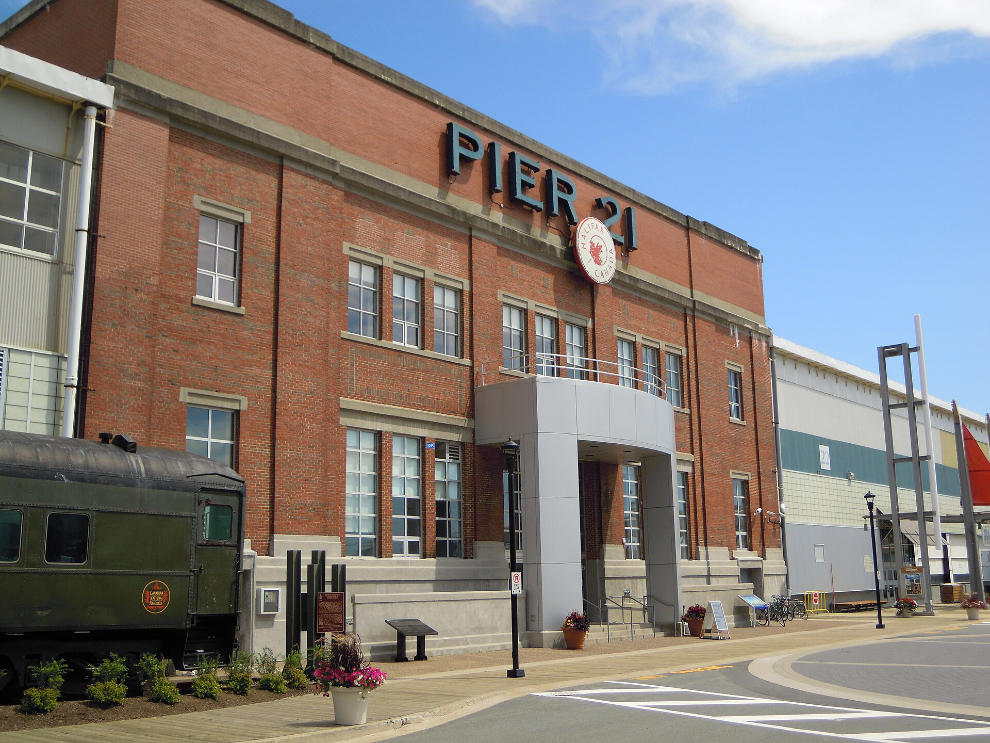
What can I tell you about the Museum of Immigration? It doesn’t take hours to see well, it takes days. It’s a powerful place that does an excellent job of telling a complex story, and even the darkest stories are given light.
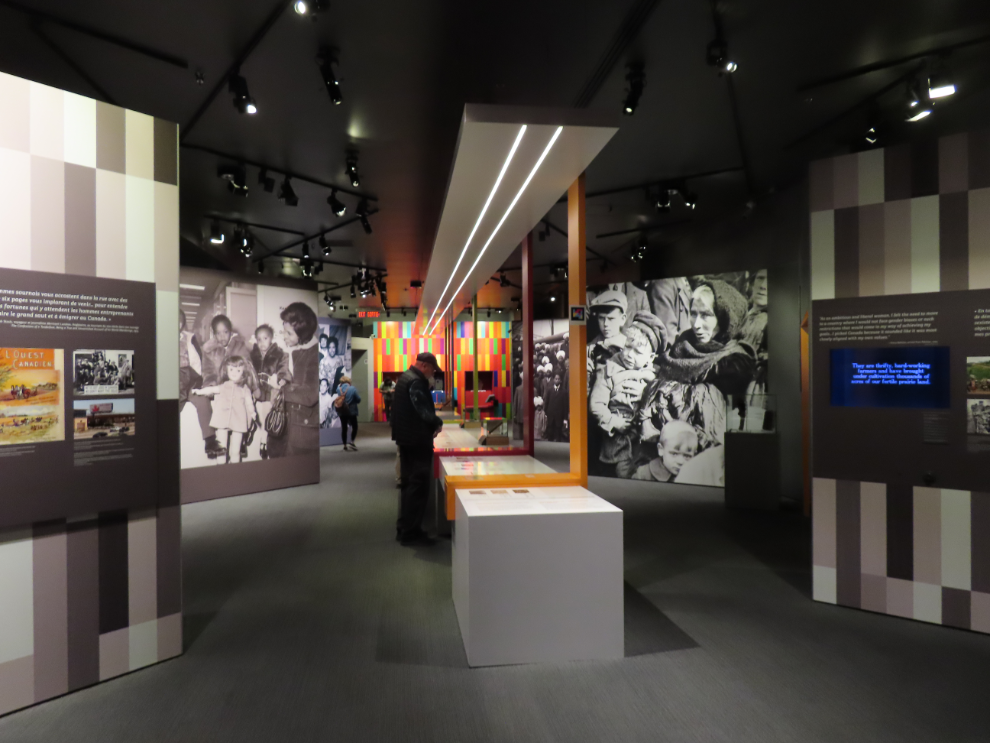
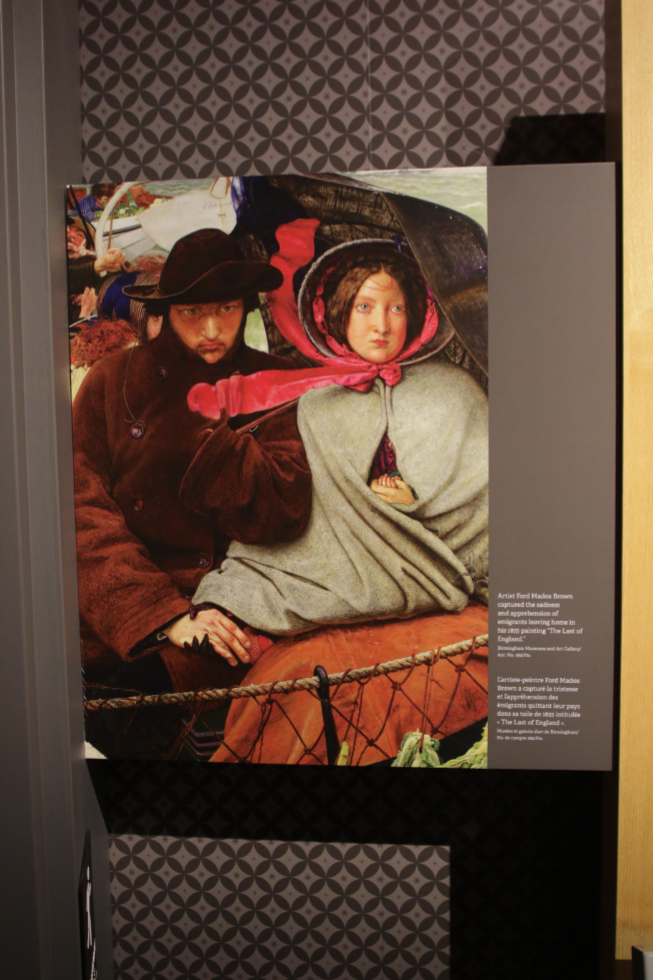
There are few smiles among the people shown in photos and paintings – this was/is a stressful time for most.
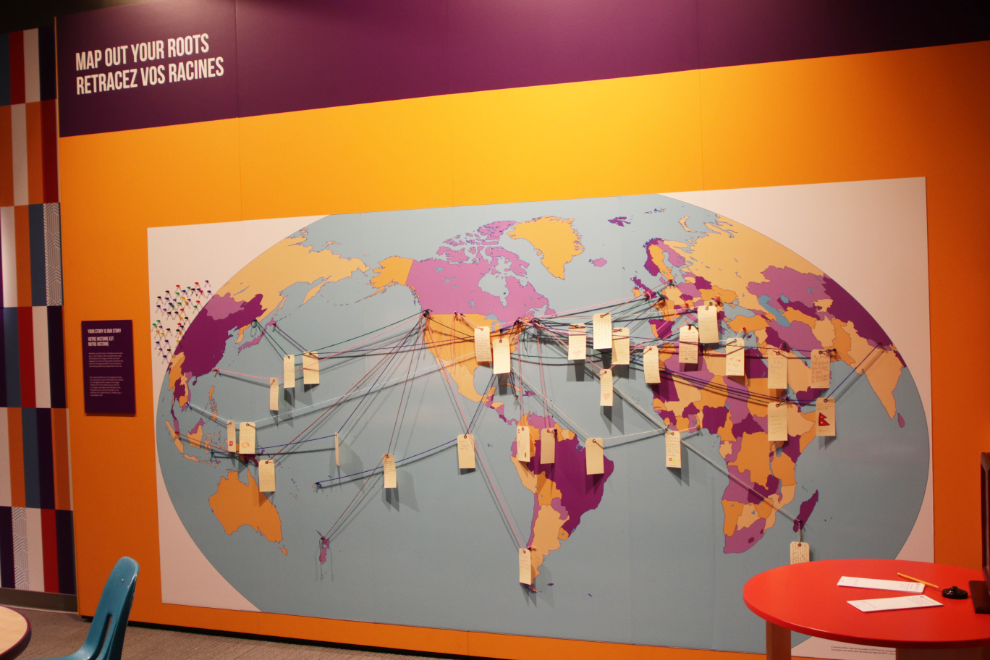
Immigration has come in waves at many periods during to economic and/or political difficulties in countries around the world, and sometimes due to excellent promotion of Canada as a land of promise. Several displays, both static and interactive, allow you to see those periods.
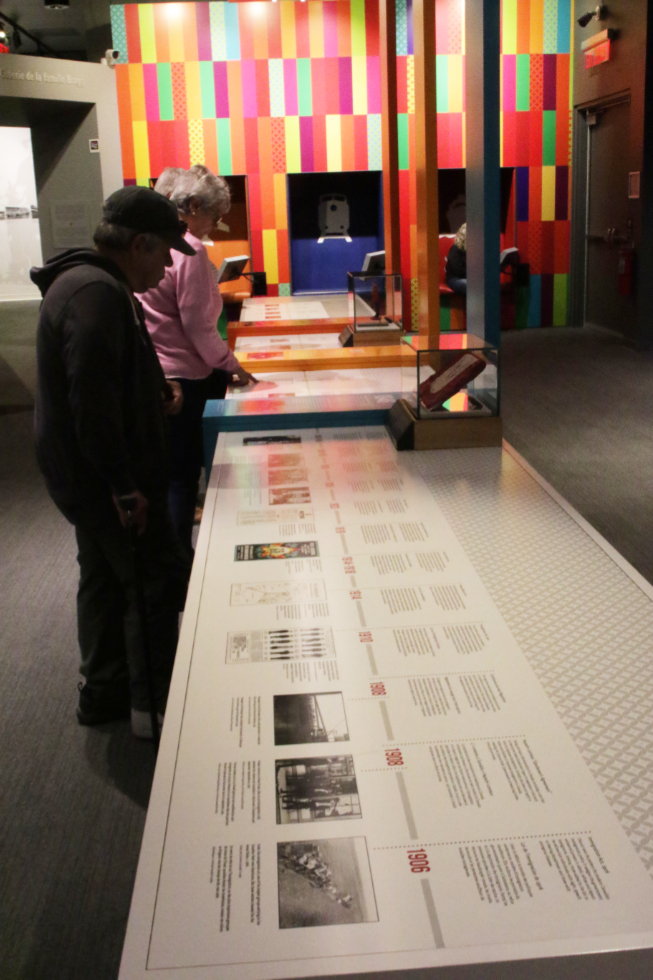
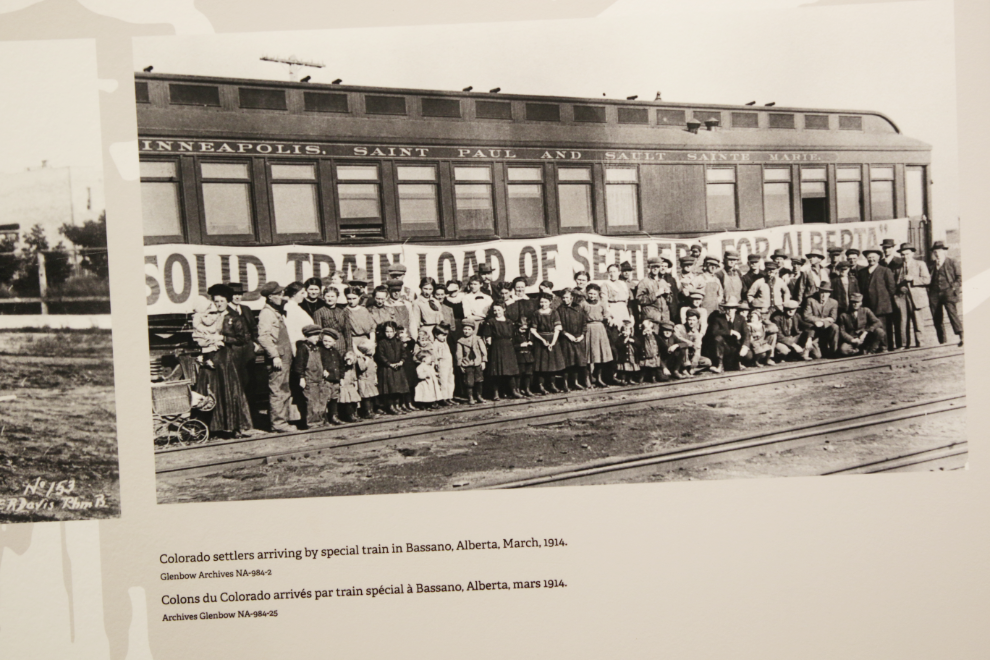
At this display, I added a piece of yarn leading from Stockholm to Montreal, with a tag noting my paternal grandparents’ move to Canada.
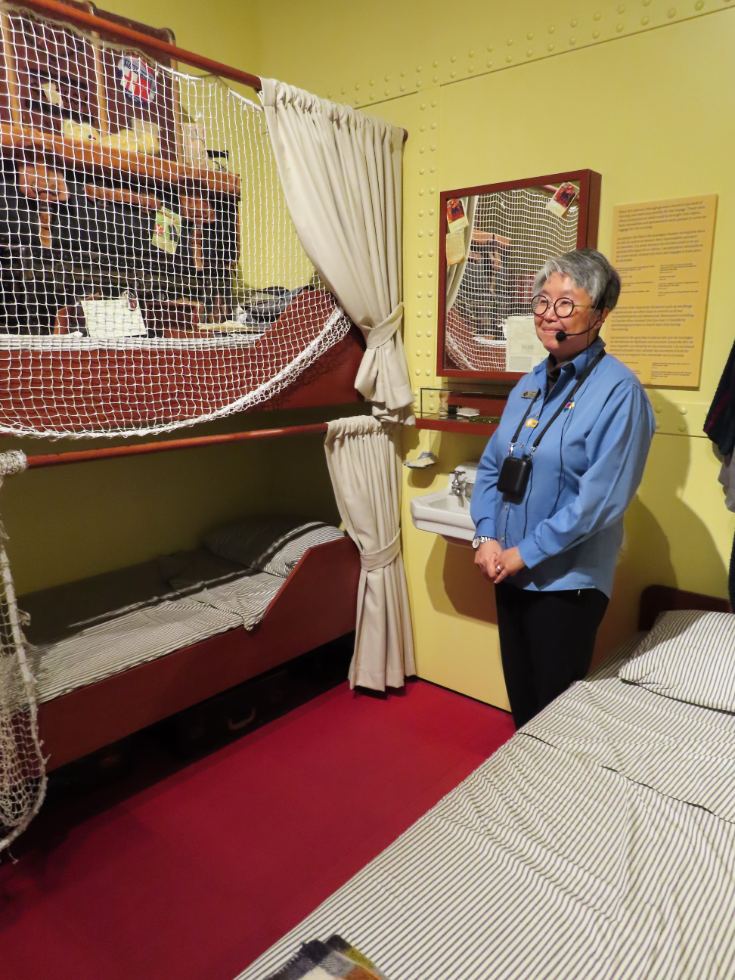
We ended our visit to the Museum of Immigration with a guided tour, led by a woman who arrived in Canada from Hong Kong 3½ years ago. In the next photo she was talking about the options and costs of steamer transportation.
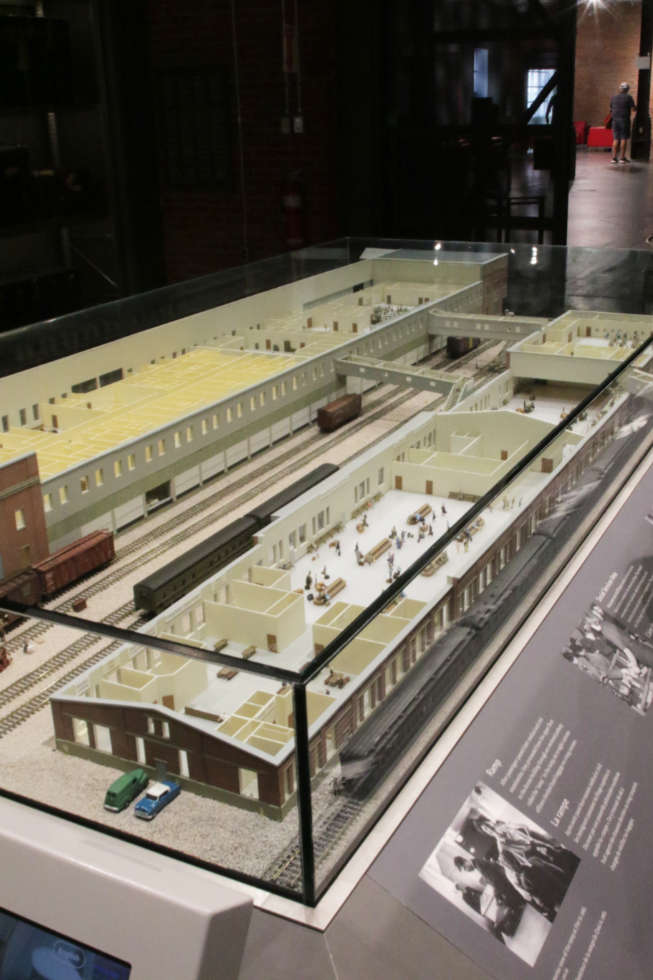
Her tour was excellent, particularly a very detailed explanation of what was going on in this scale model of Pier 21.
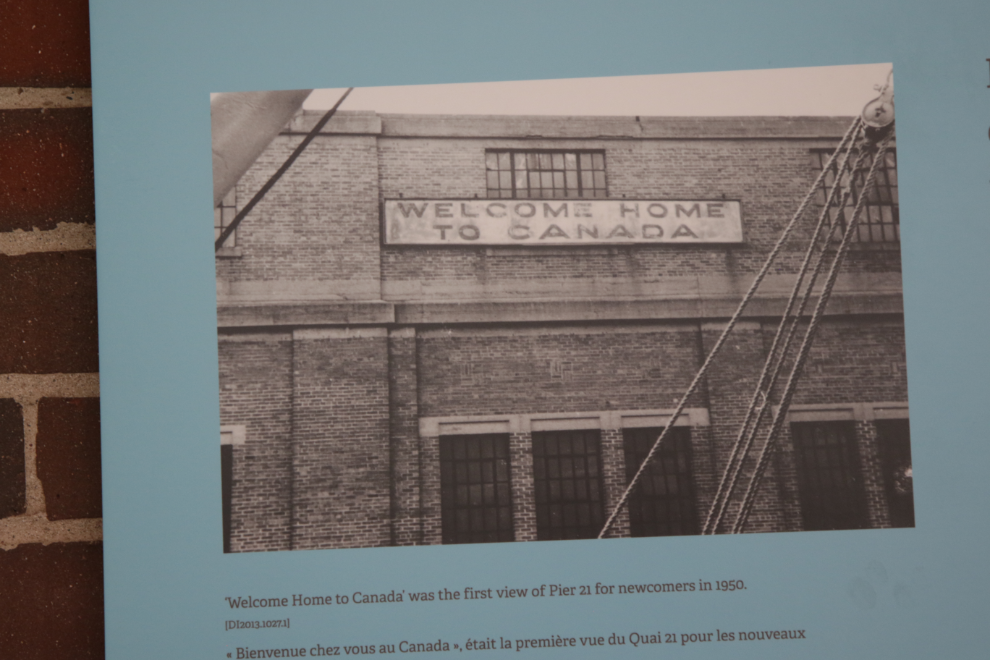
I’m going to end this part of the post with one of my favourite photos – “Welcome Home to Canada” was the first view of Pier 21 for newcomers in 1950. It seems a safe bet that many eyes were brought to tears by that message.
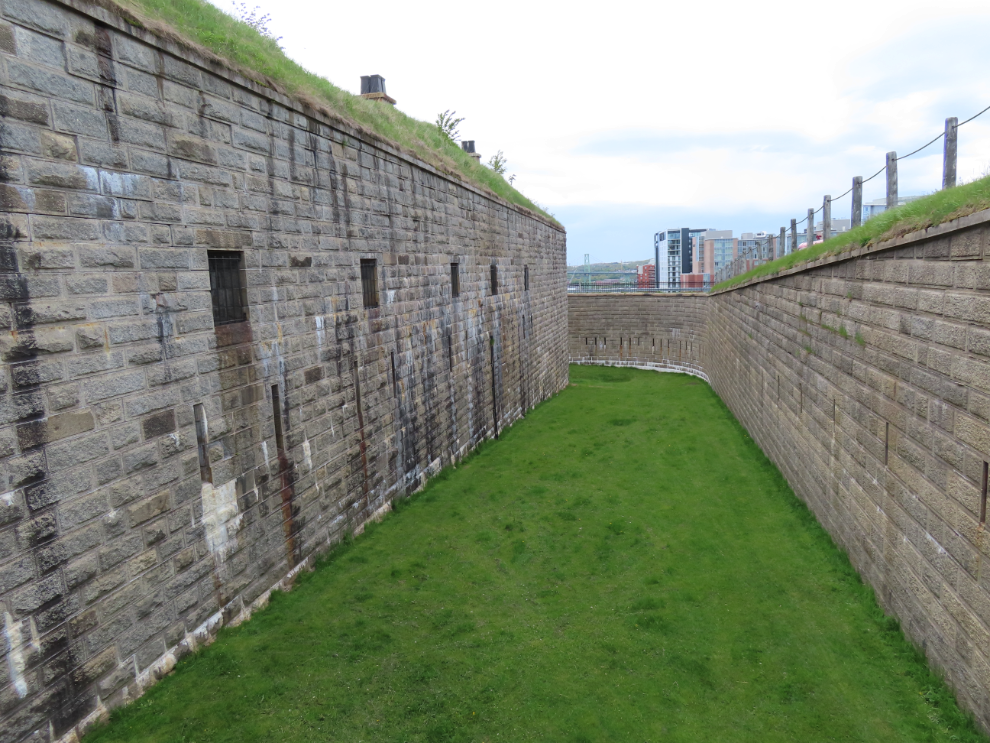
Although we had circling The Citadel during our city tour the previous day, you see pretty much nothing on a drive-by. If you’re energetic, The Citadel is walkable from the waterfront, we spent $15 or so for a taxi.
The fortifications are massive.
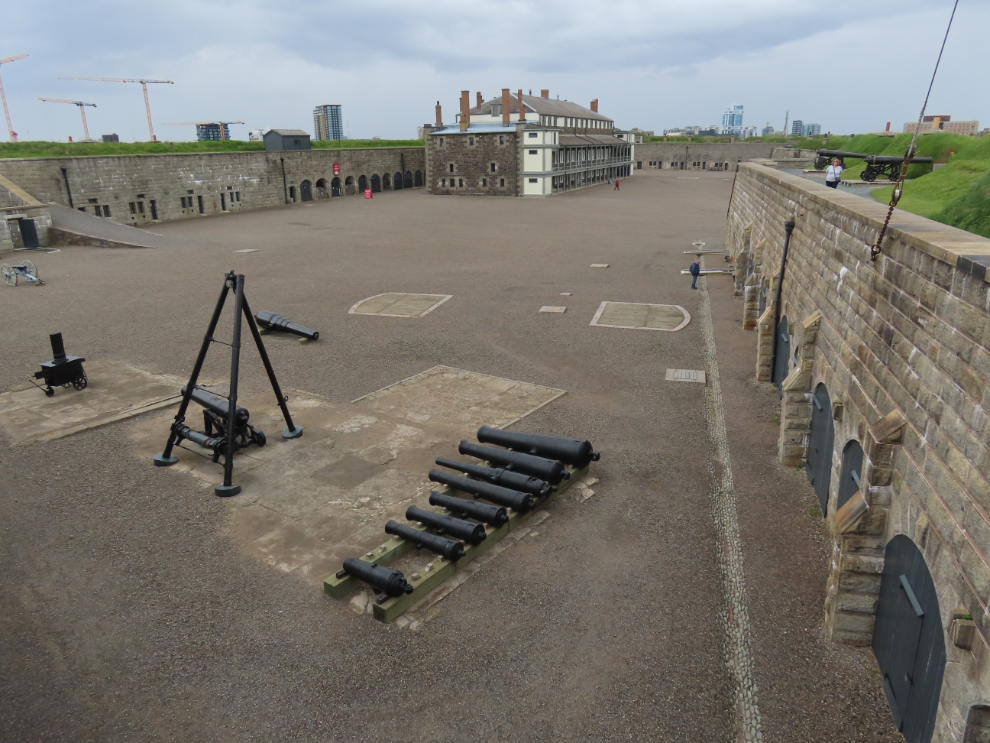
This view from the top of the inner wall shows part of the main complex.
I very much enjoyed watching the men and women playing various historic parts. These cadets (I assume) drilled for over an hour.
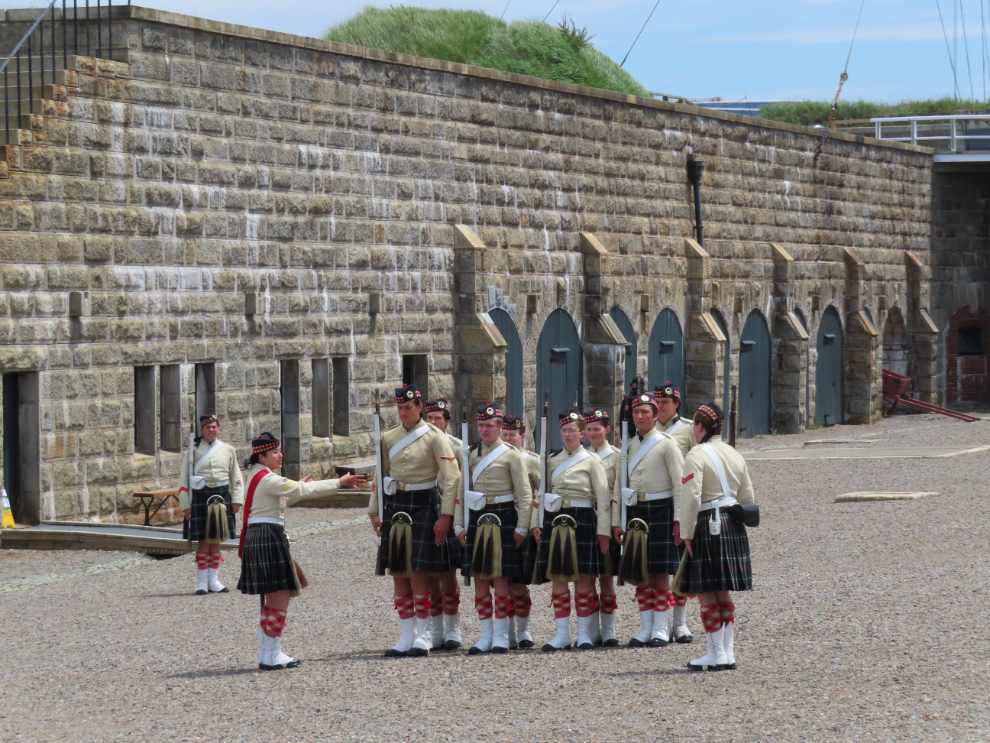
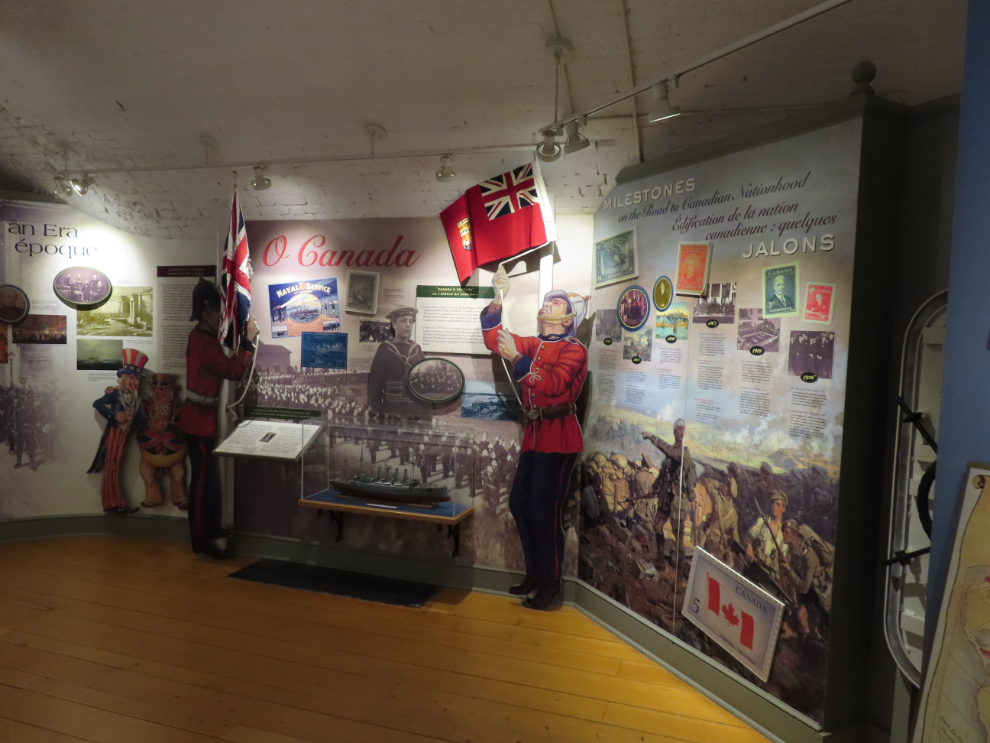
I won’t attempt to even summarize the history of the fort – the rooms describing various periods in great detail go on and on.
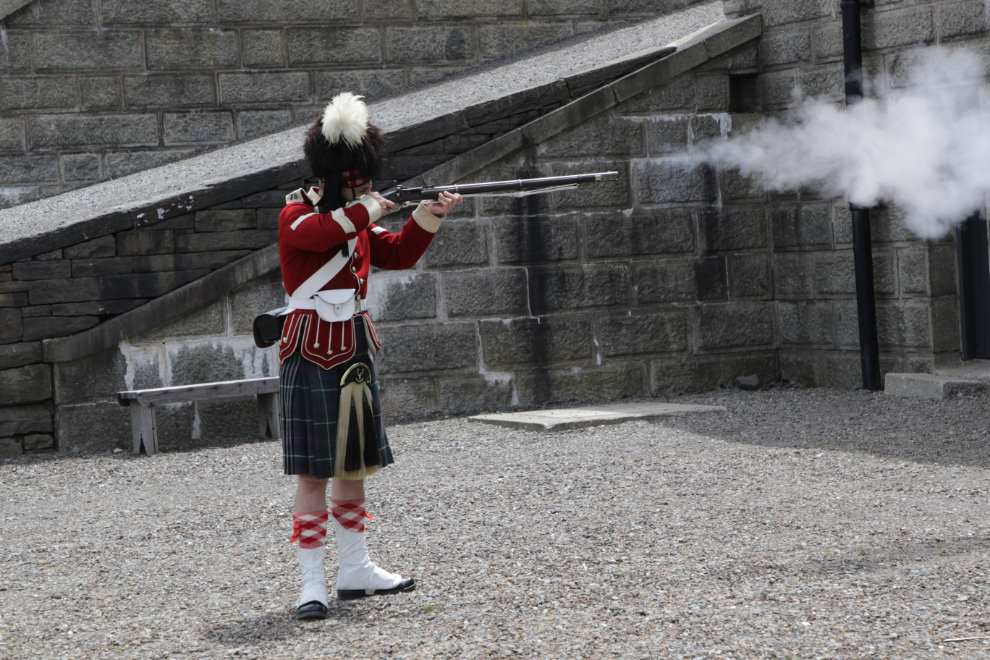
The rifle demonstration was very cool! All I can tell you, though, is that the rifle is very heavy and the shells very large.
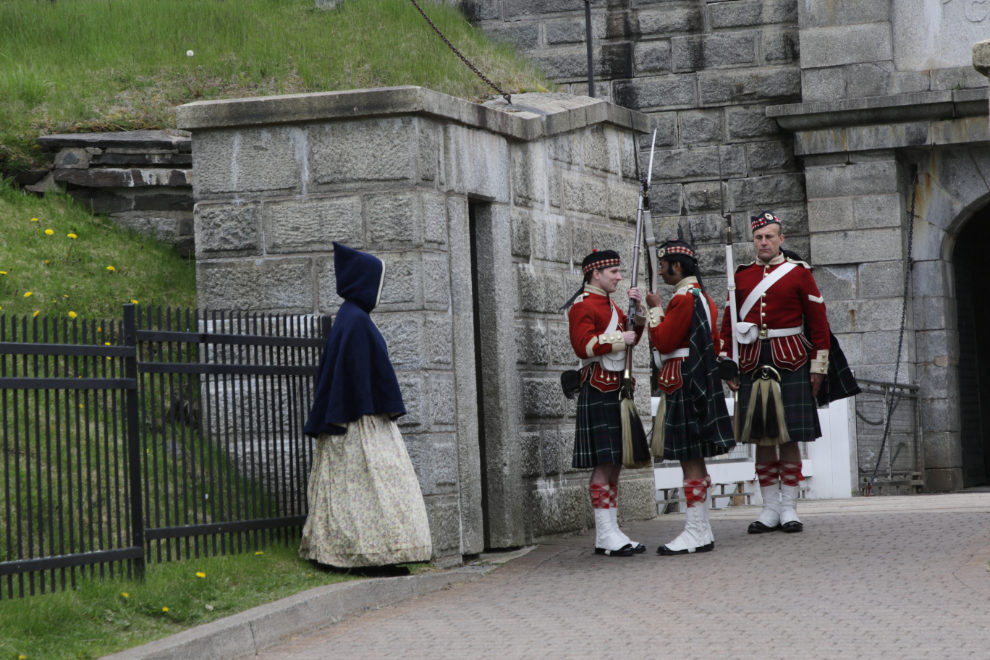
As we were leaving after just over two hours (mostly because I had information overload and needed a break), the changing of the guard at the entrance while we were waiting for a taxi provided a few more Kodak moments 🙂
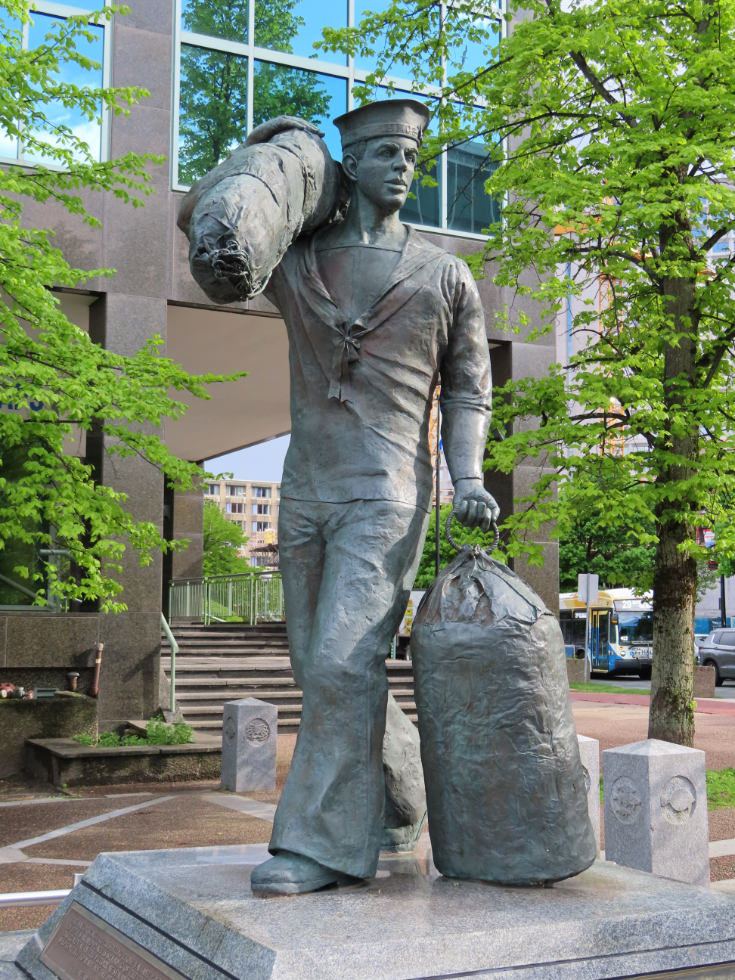
Just before 6:00, we started walking to the Maritime Museum of the Atlantic. On the way, I stopped for a few photos of “The Sailor,” a bronze created by Peter Bustin and erected in 1991 by the Atlantic Chiefs and Petty Officers Association to honour “those valiant young Canadians who served in both war and peace” between honors the thousands of Canadians who served at sea during conflicts, including World War II 1939 and 1945.
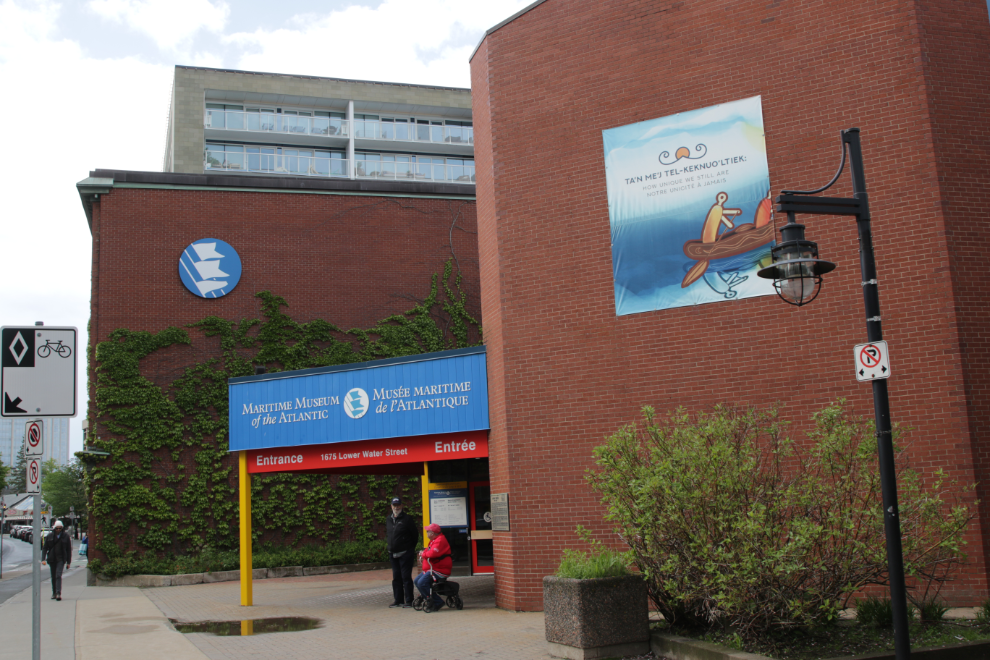
The museum enstrance. This museum is the most difficult one to tell you about because of the vast range of subjects it covers – anything to do with boats and ships of any kind.
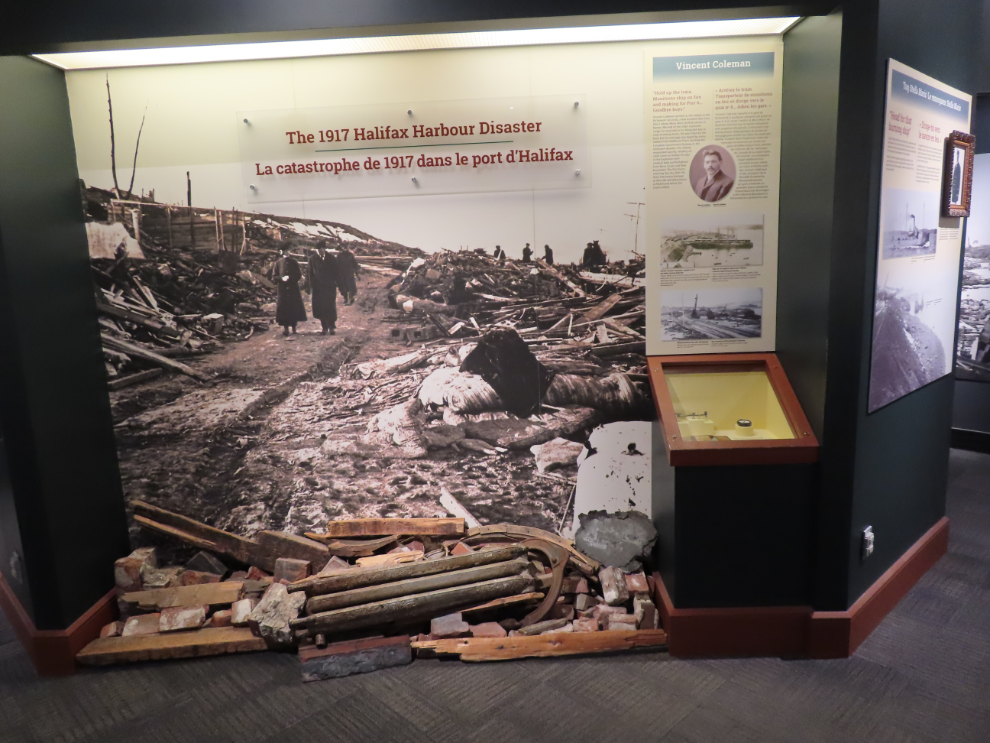
The single subject that gets the most coverage in the museum is the explosion in Halifax harbour of a munitions ship on December 6, 1917 – about 2,000 people were killed and 9,000 injured.
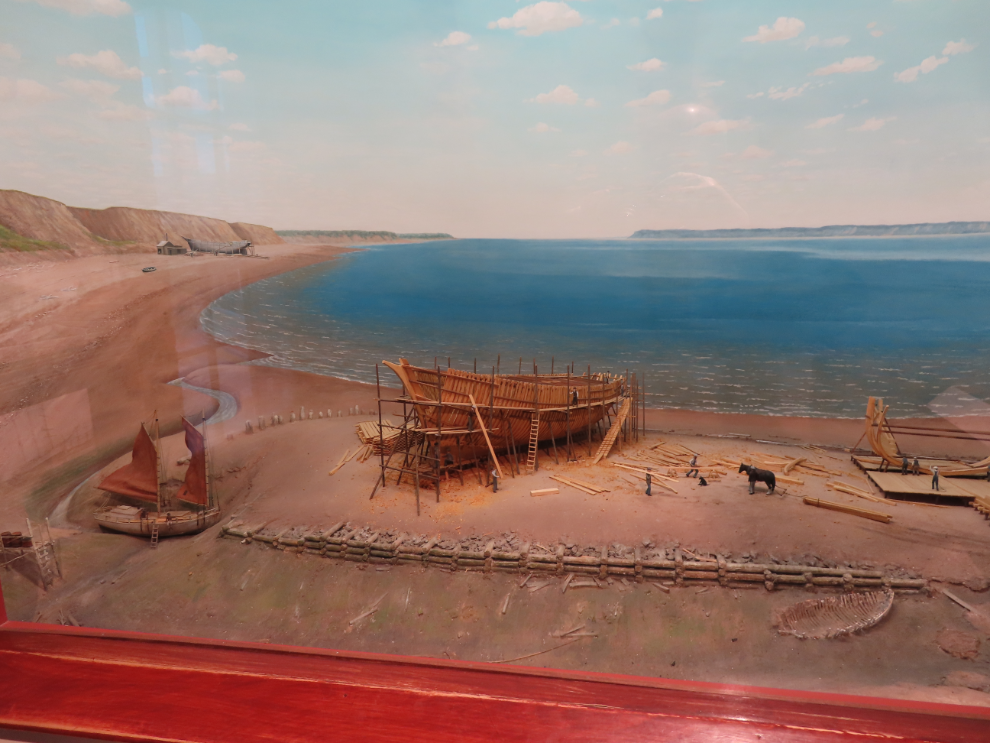
The museum contains many of the fintest examples of scale model building I have ever seen. This diorama represents a shipbuilding operation at Port Greville on the Bay of Fundy.
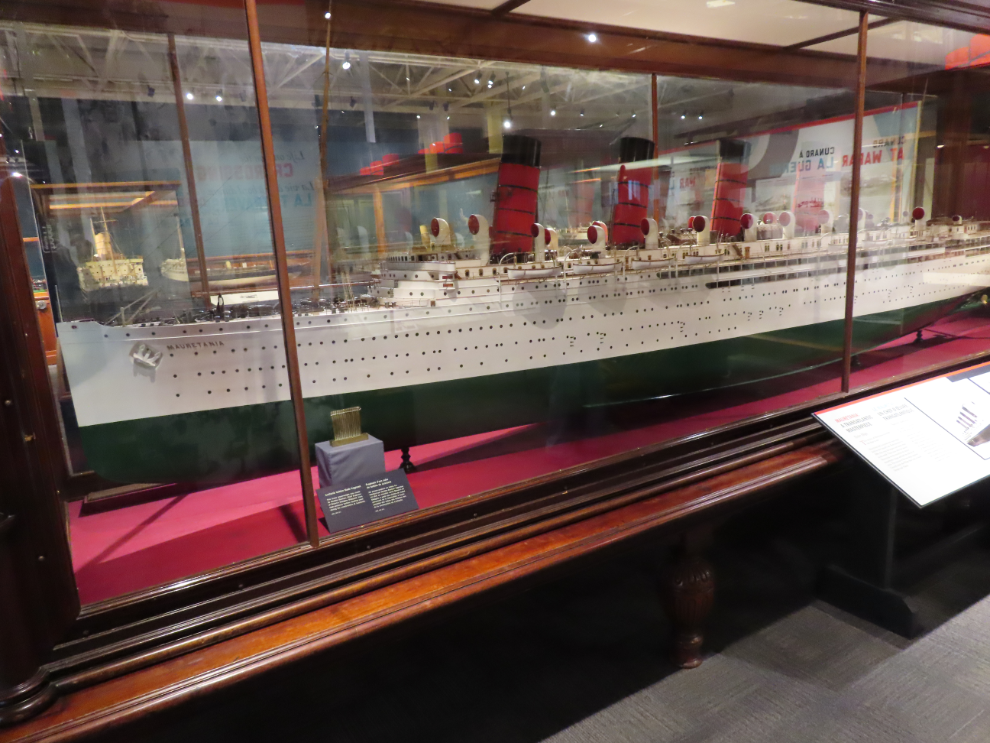
This builder’s model of the Cunard liner Mauretania, 18 feet long, was in poor condition when the museum obtained it, and it took some 2,800 hours to restore it.
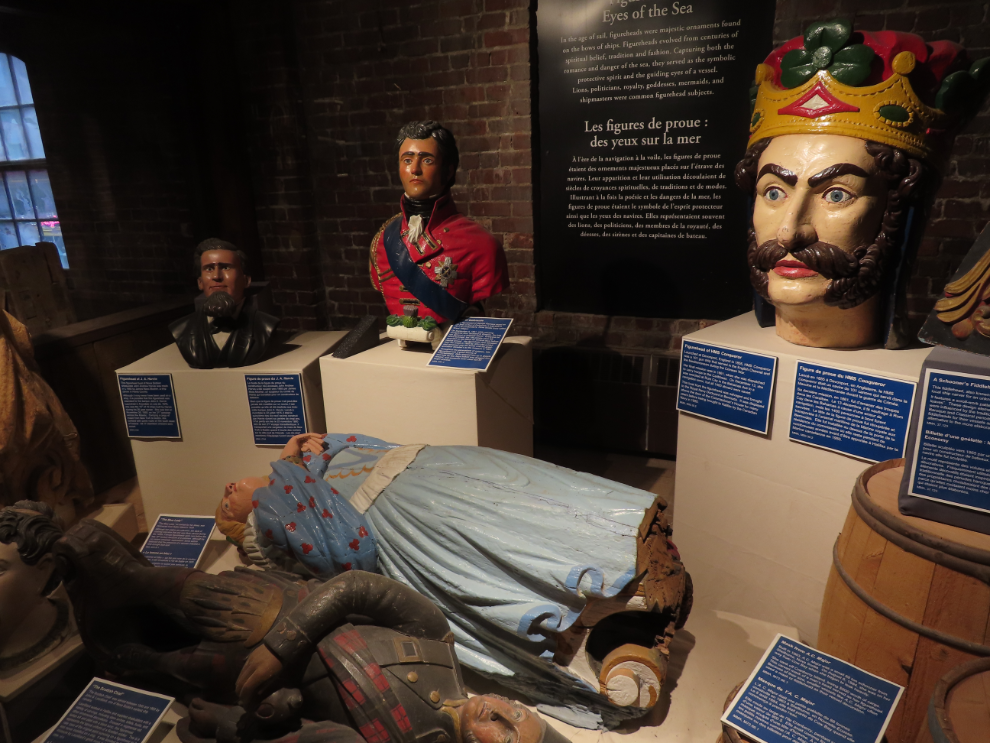
I really enjoy the variety of characters and creatures that appear on ship figureheads.
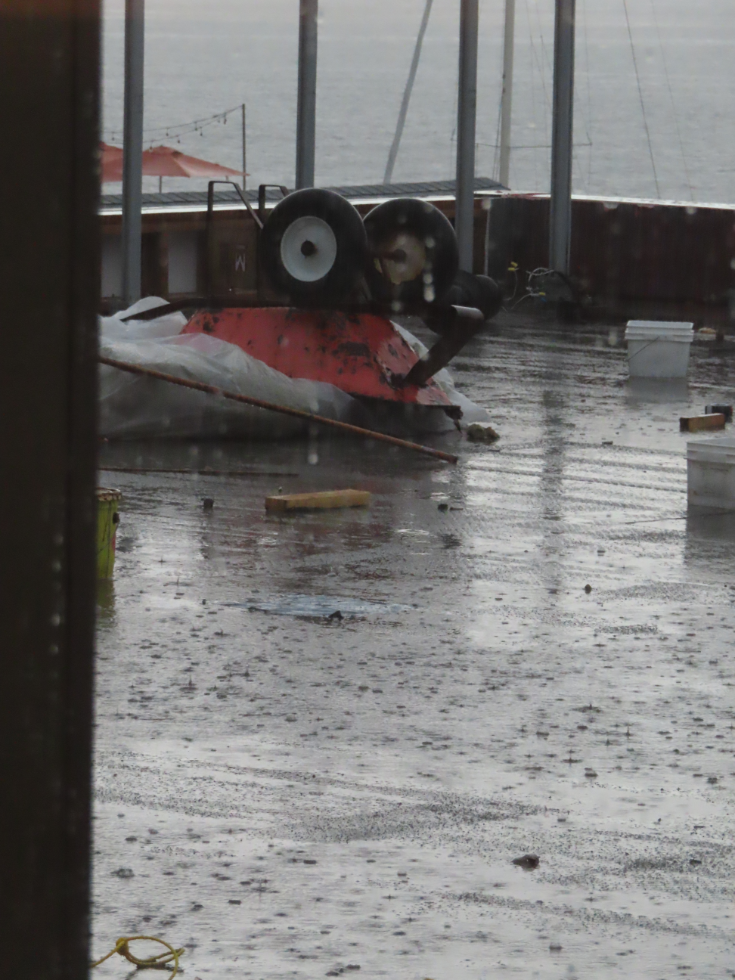
Just after 7:00, a severe storm hit the waterfront, with lots of lightning and torrential rain!
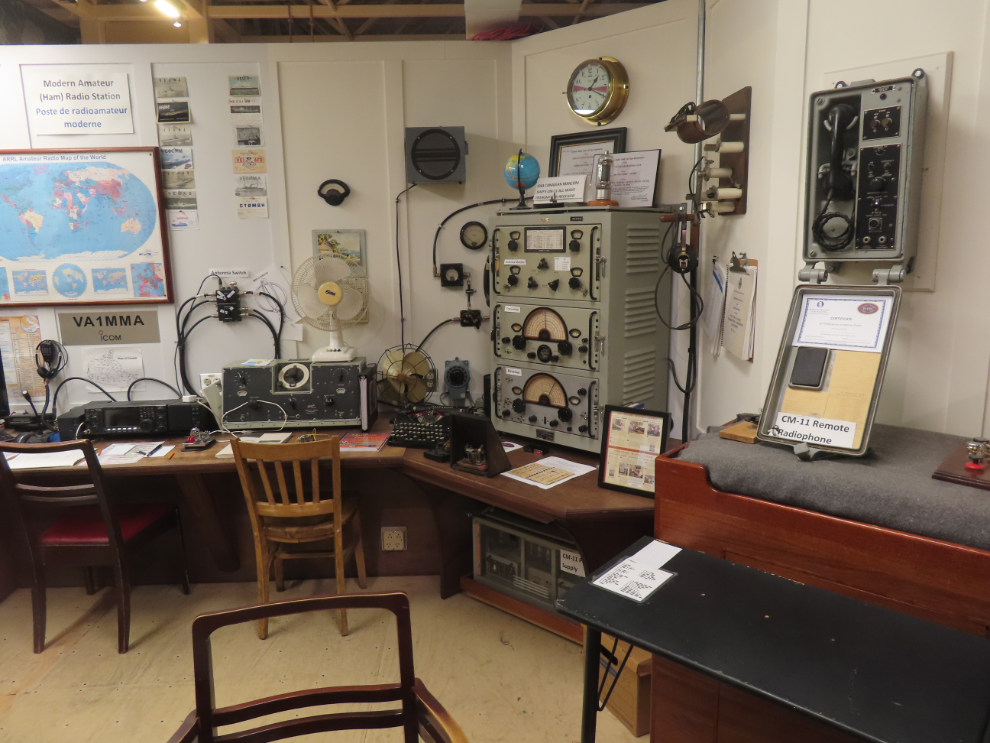
No big deal, we had lots more to see. I’m only going to show you one more photo, though, of a radio operator’s room.
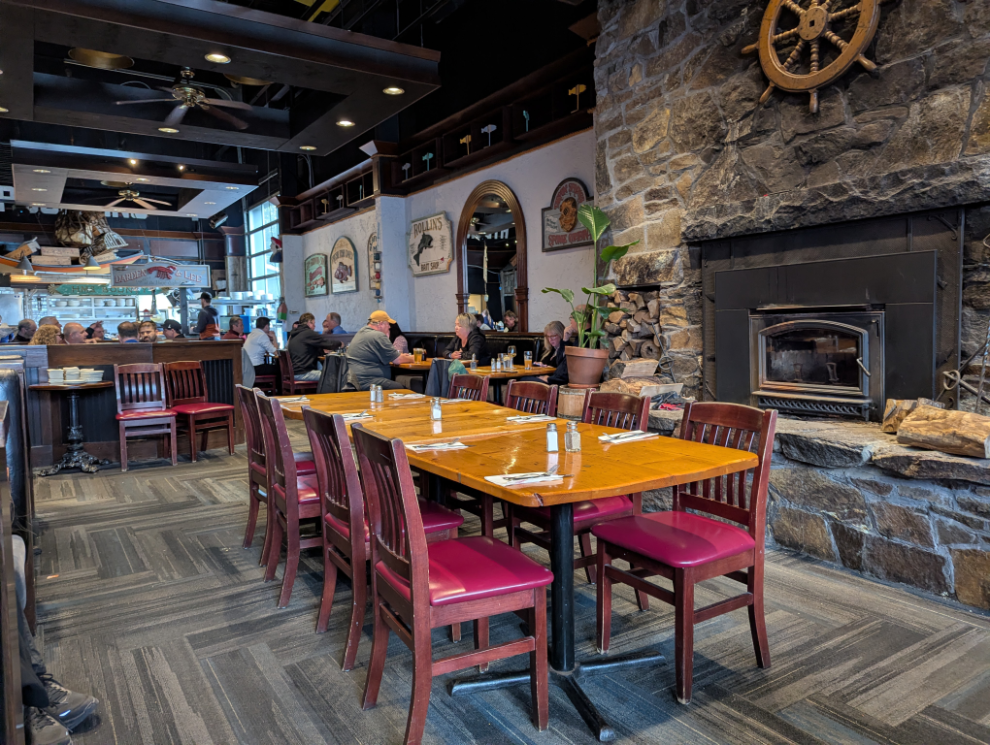
By 8:00 when the museum was closing, the rain wasn’t too bad, so we walked rather quickly to the seafood restaurant half a block away. The Waterfront Waterhouse was very busy but the rush was over and we soon had a table. Within a few minutes, lots of tables had emptied.
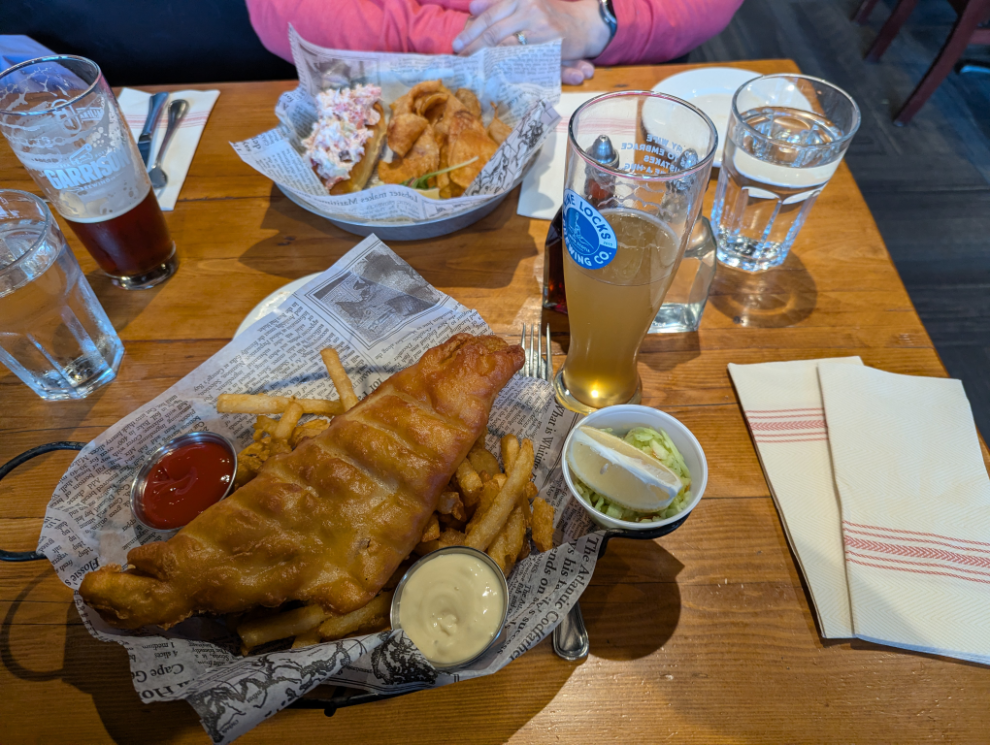
My choice was haddock and chips, and Cathy had another lobster roll. Both were extremely good – a perfect ending to this day.
The next day, June 3rd, Day 6 of the trip, we would pick up the motorhome and start the drive to the ferry which would take us to Newfoundland for a month.

About The Author
