Exploring Trondheim, Norway
This is blog post #11 from our tour of Europe. On , Wednesday, July 2nd, we were docked at Trondheim, Norway, from 08:00 until 16:00. We had no plans, but our research indicated that walking, we could view the essential city landmarks including Kristiansten Fortress, Nidaros Cathedral, and Old Town Bridge – that turned out to not be true.
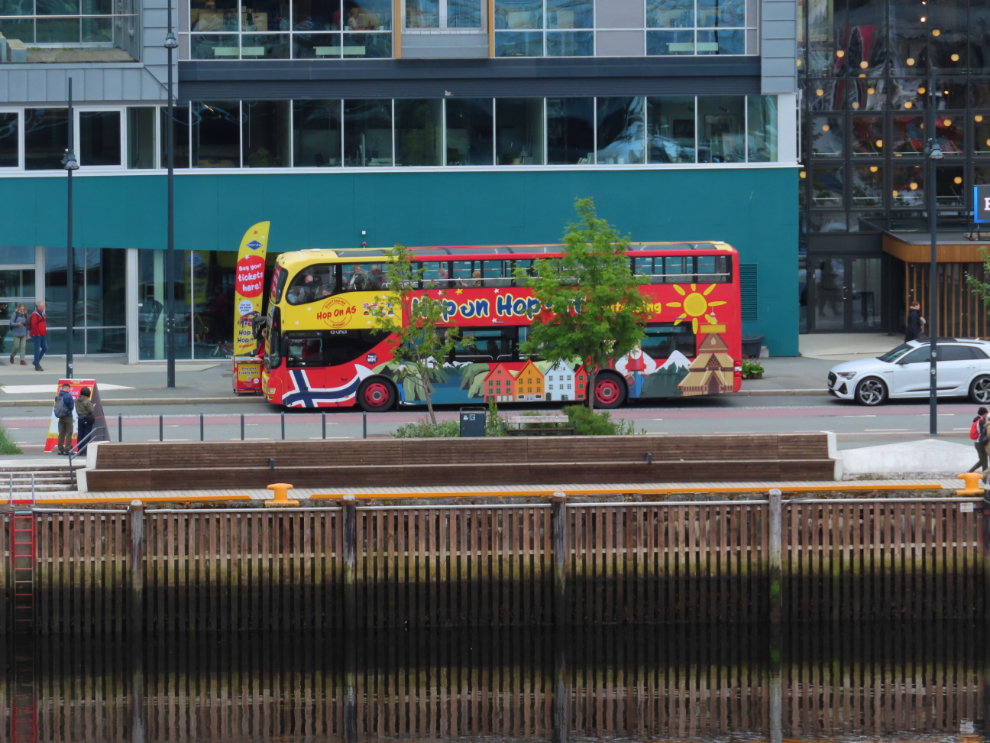
As soon as we docked, I saw the answer to our question about what to do to start – a Hop On Hop Off bus loading a block away 🙂
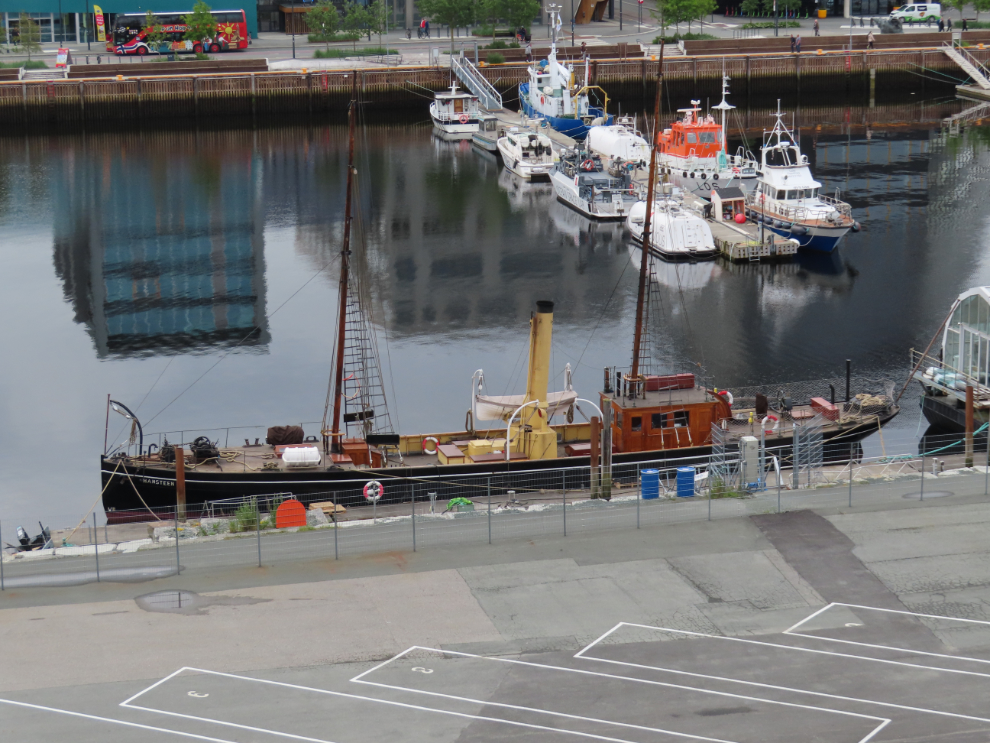
And right below us, a historic boat. The Hansteen is Norway’s oldest surviving sailing steamship, and it’s had quite a life since being built in 1866: she has been a research vessel, the royal yacht, a ferry along the coast of Helgeland, and has provided accommodation for herring workers in Florø and later homeless people in Oslo.
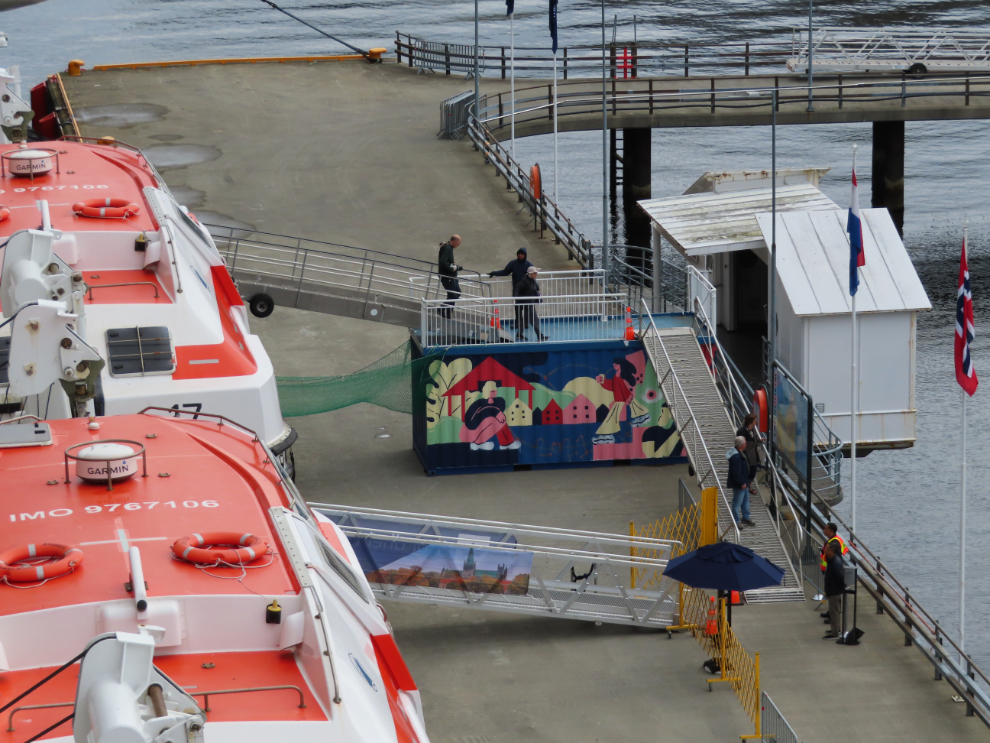
Trondheim has colourful passenger equipment.
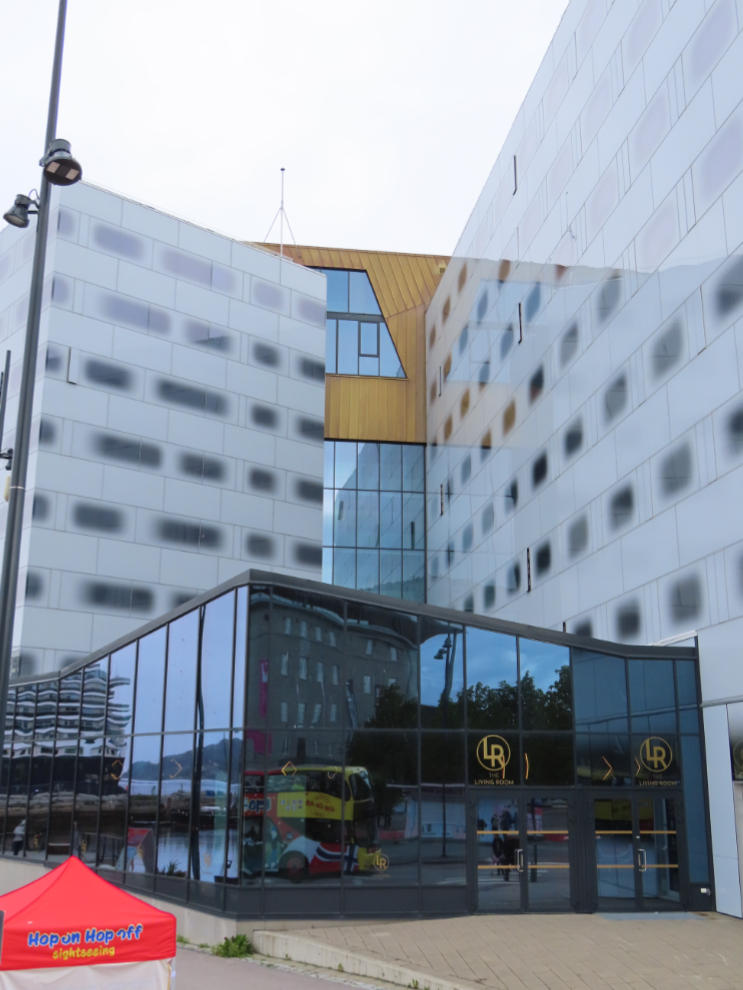
The bus tour began with going by an office building with a unique treatment of the windows. That’s not a photo-edit, they actually are blurred/ghosted in some way.
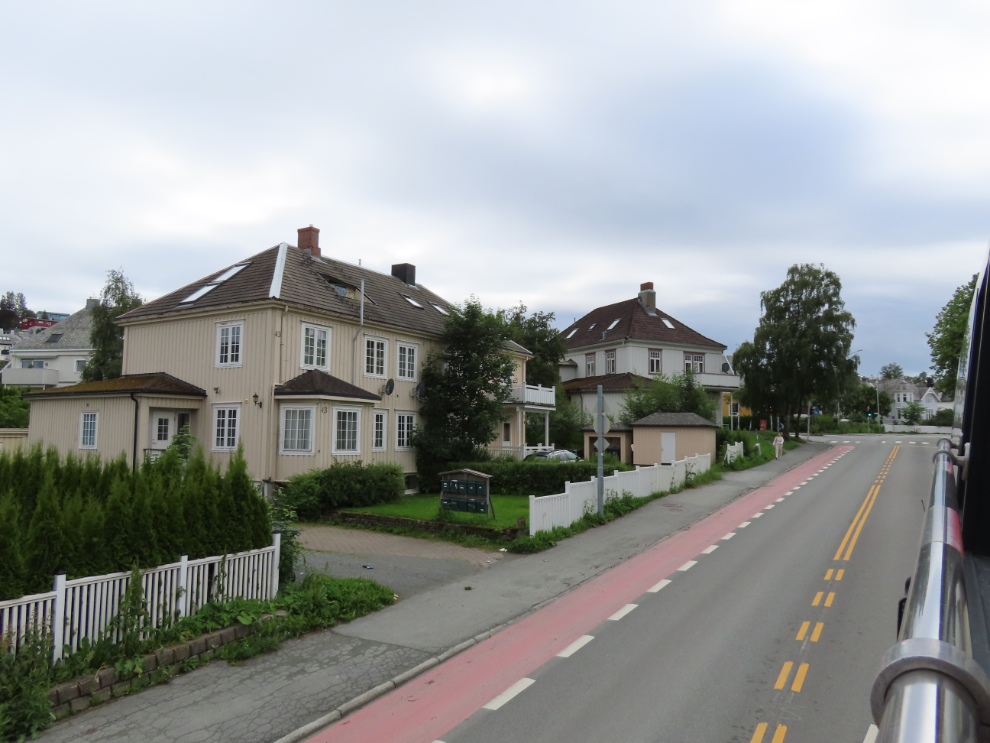
A lovely residential area on the drive up the hill to Kristiansten Fortress
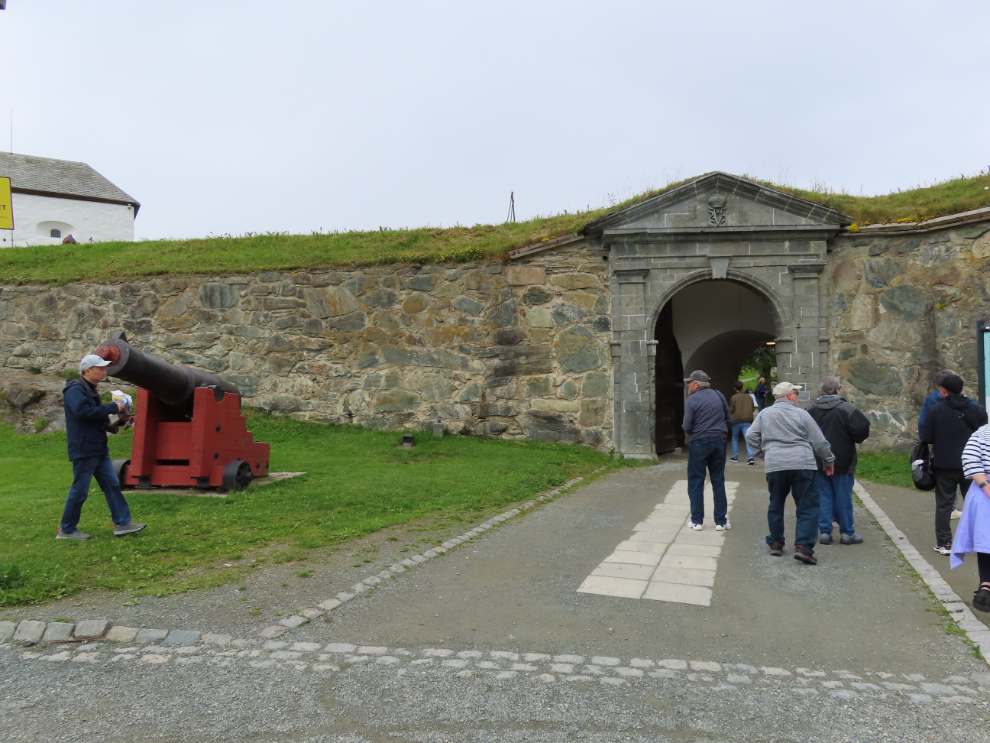
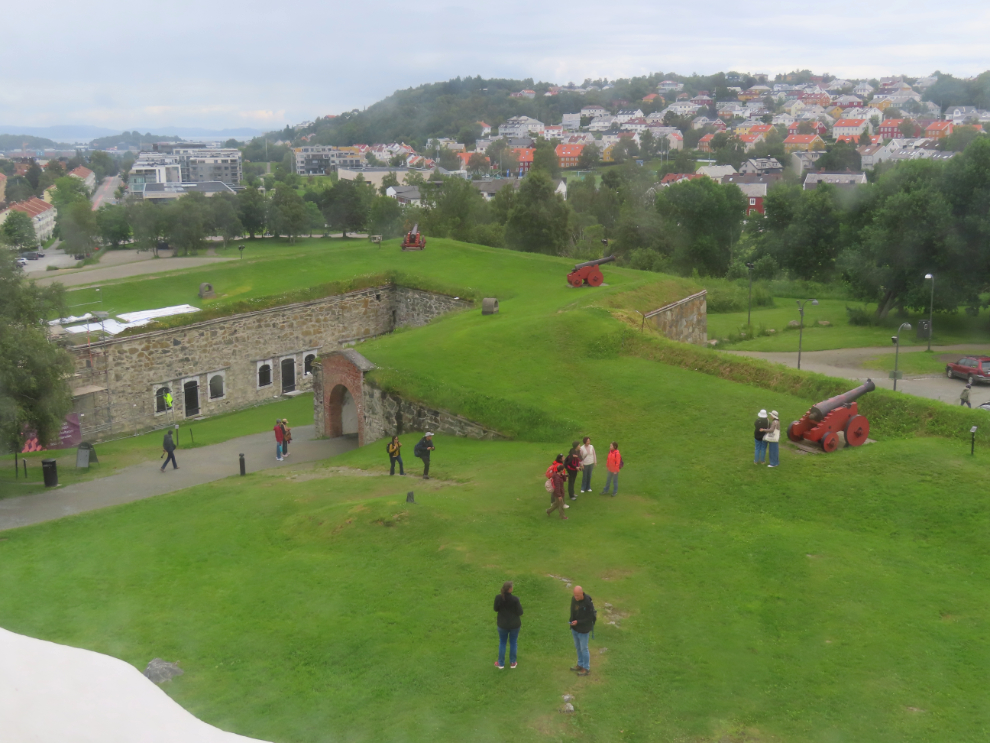
Built after a huge fire that destroyed the city in 1681, Kristiansten Fortress proved its worth just 37 years later when the Swedish army tried to take the city but were repelled. The fortress was decommissioned in 1816 by King Charles XIV John but was used by German forces in World War II. We got off the bus here for a good look.
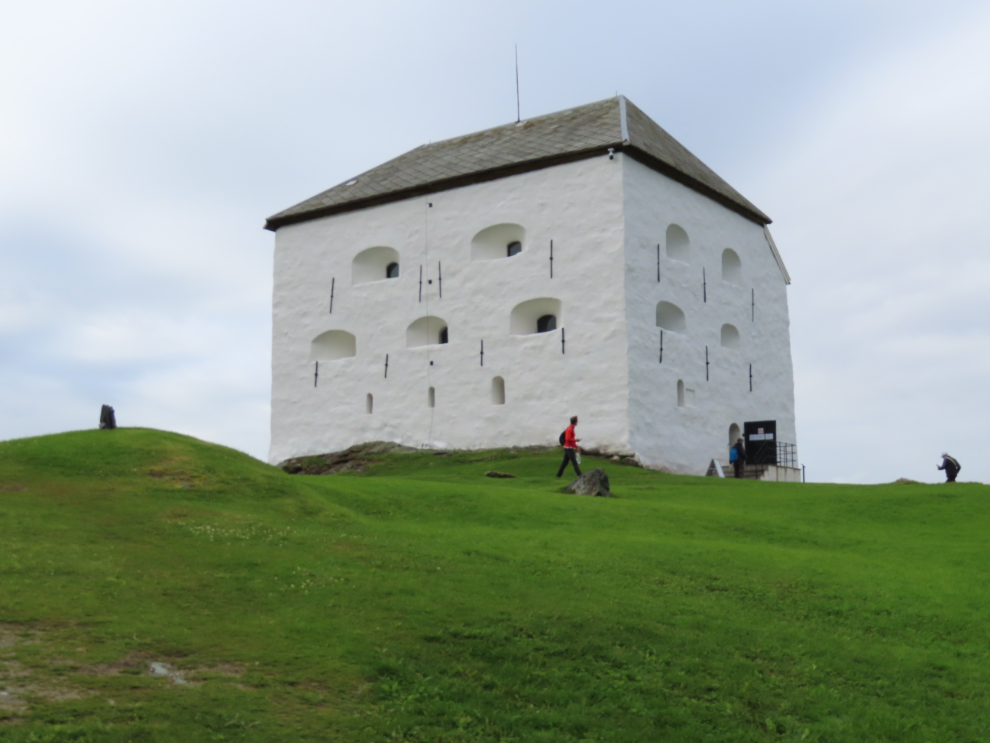
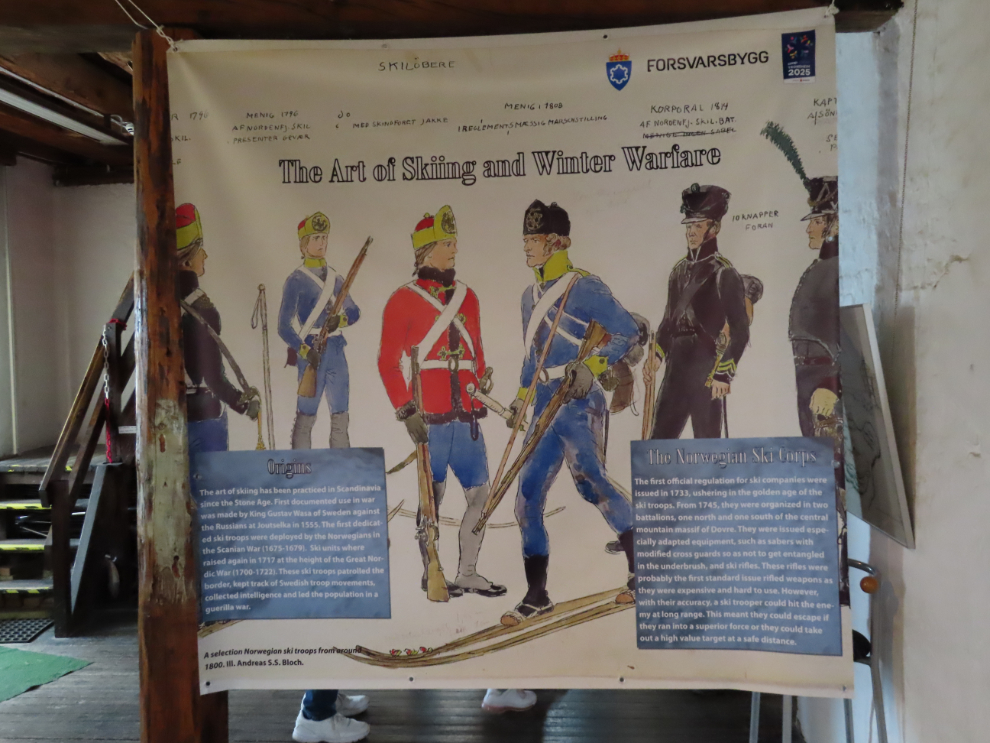
The tower (donjonen) is the only one of its type still standing in Norway. It has 3 floors plus 2 bricked vaults in the basement, and a loft. The 3 main floors house the primary museum.
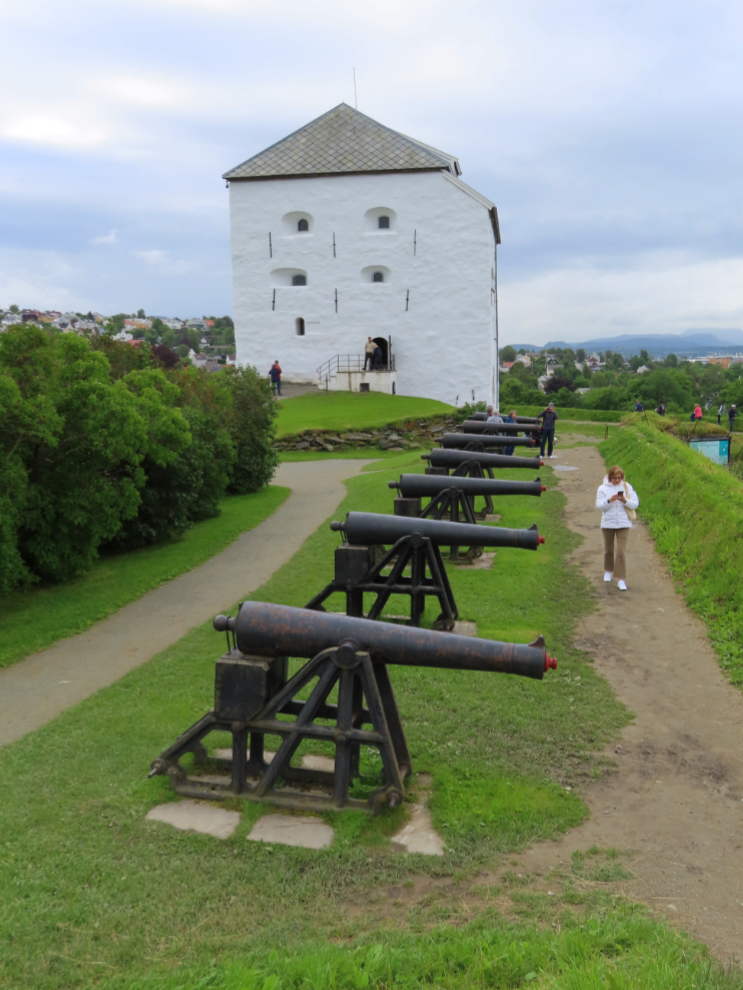
There are some wonderful photo opportunities on the property. As well as these cannons, there are three of what I assume are World War II artillery pieces.
The interpretation in the museum is very good. I took a large number of photos on this day (220 of them), but am only posting 36 of them 🙂
The ceiling of the top floor is only a little over 5 feet high.
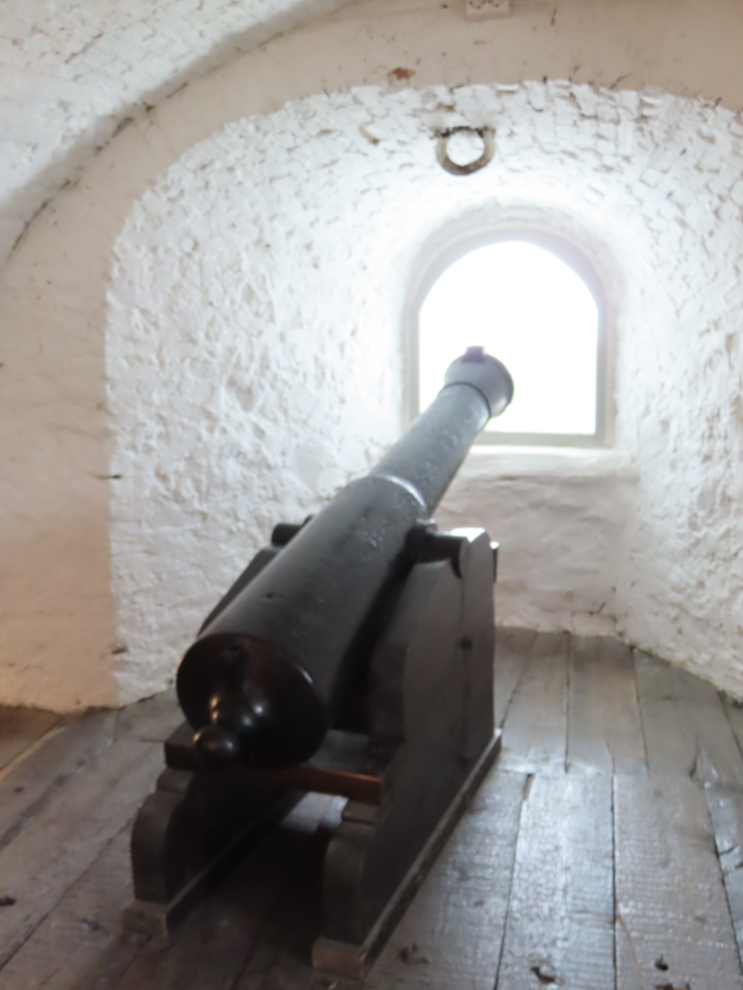
The view from one of the cannon ports.
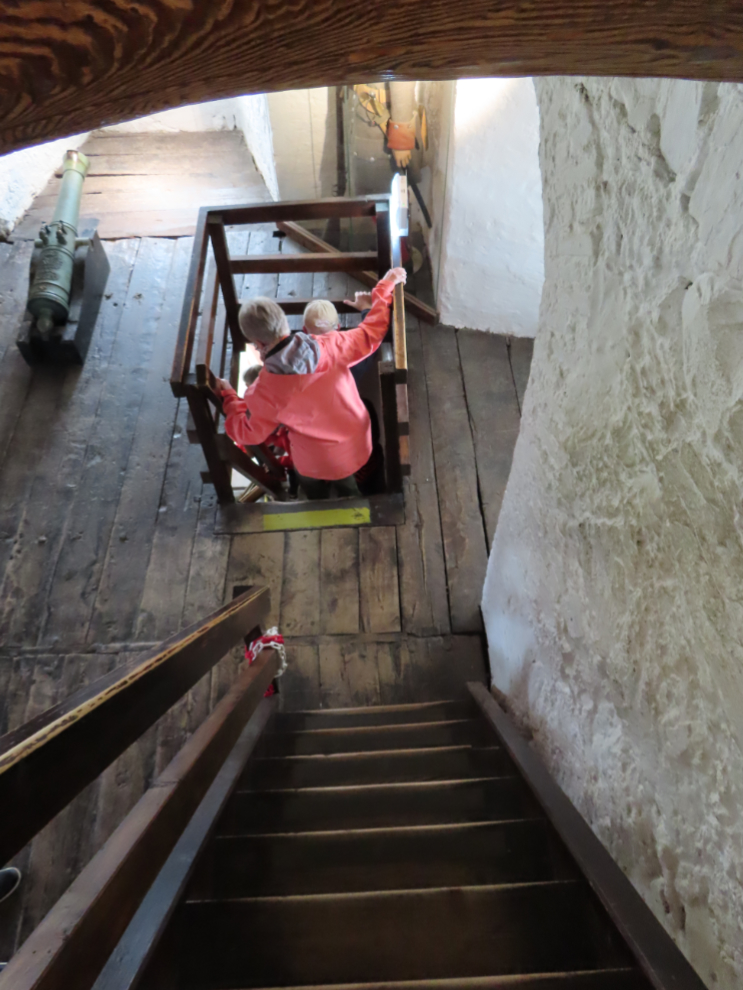
The stairs to the upper floors are extremely steep, and some people were coming down as if they were ladders.
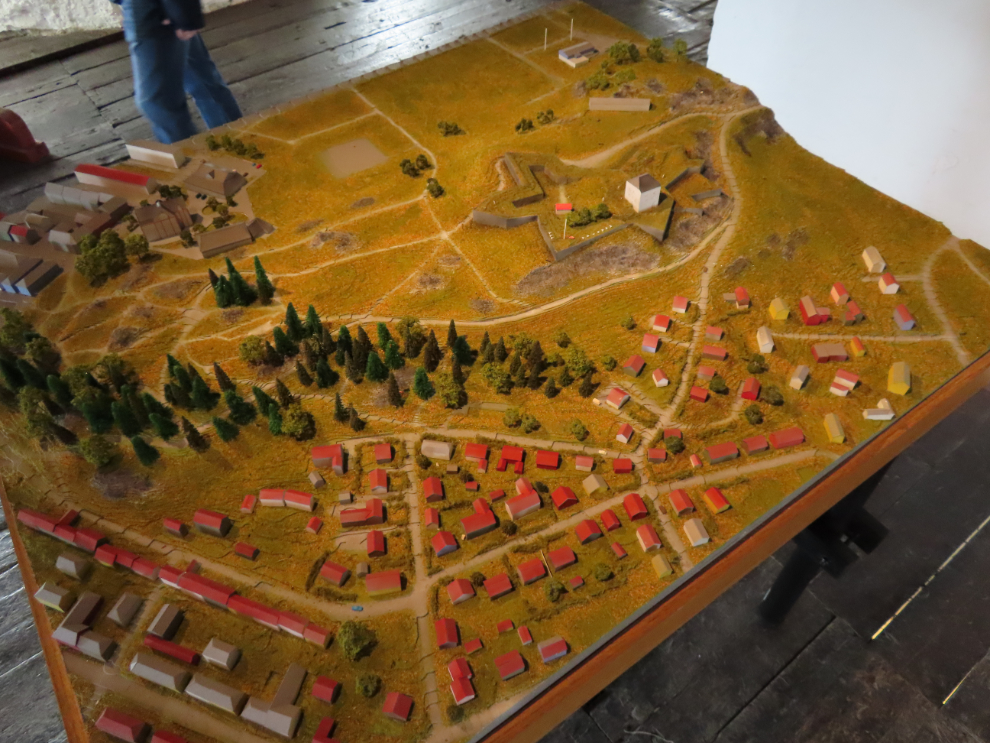
A model of the fort and surrounding part of the city as they looked in 1780.
These blocks housed the barracks, cookhouse, storerooms, etc.
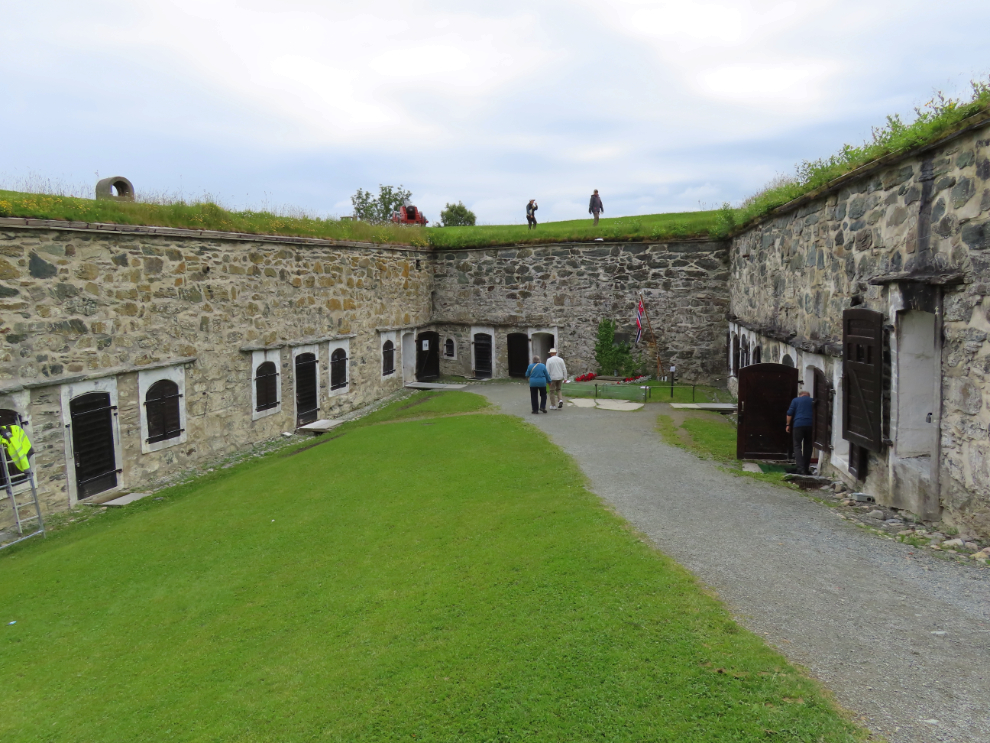
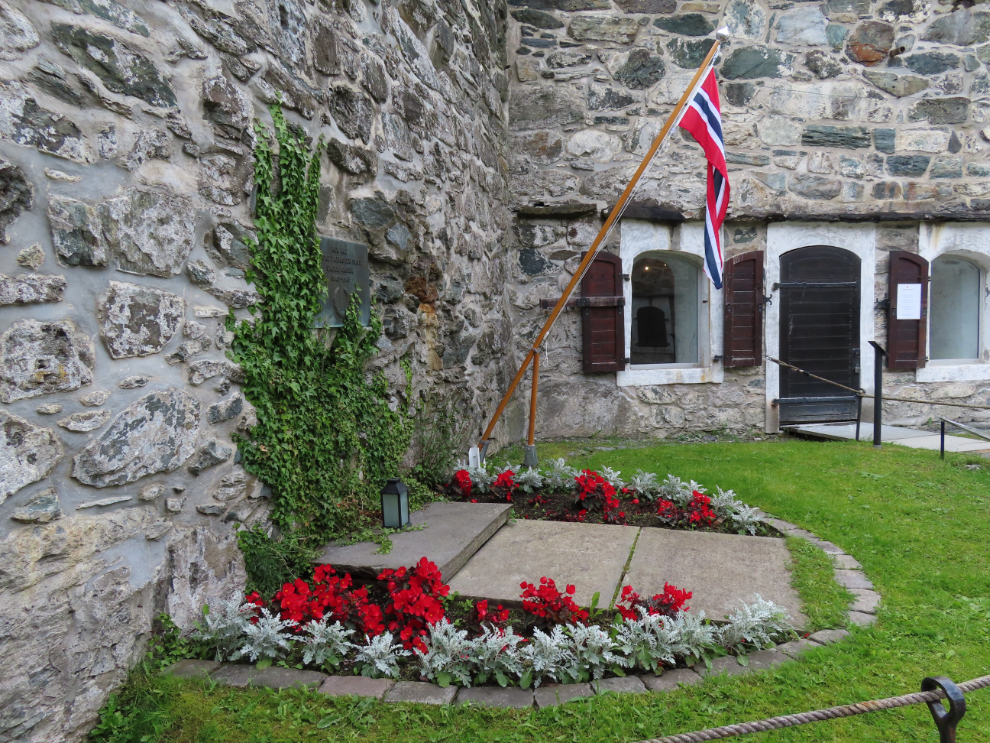
In 1942 and 1943, about 30 people were executed by firing squad at this location, and after the war, Norwegian traitor and leader of the “Rinnan band,” Henry Rinnan, and Trondheim’s Gestapo chief, Gerhard Flesch, were also executed there.
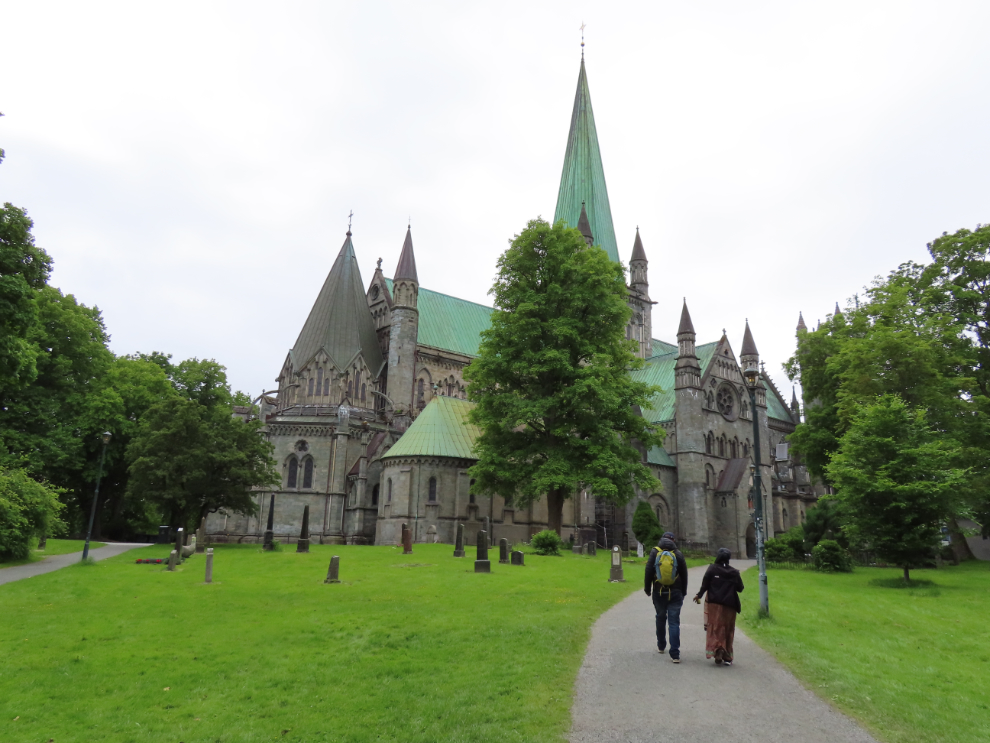
Back at the bus stop, we waited for about half an hour for the next bus. The next place we got off was Nidaros Cathedral, the world’s northernmost medieval cathedral, built over the burial site of King Olav II over a 230-year period from 1070 to 1300.
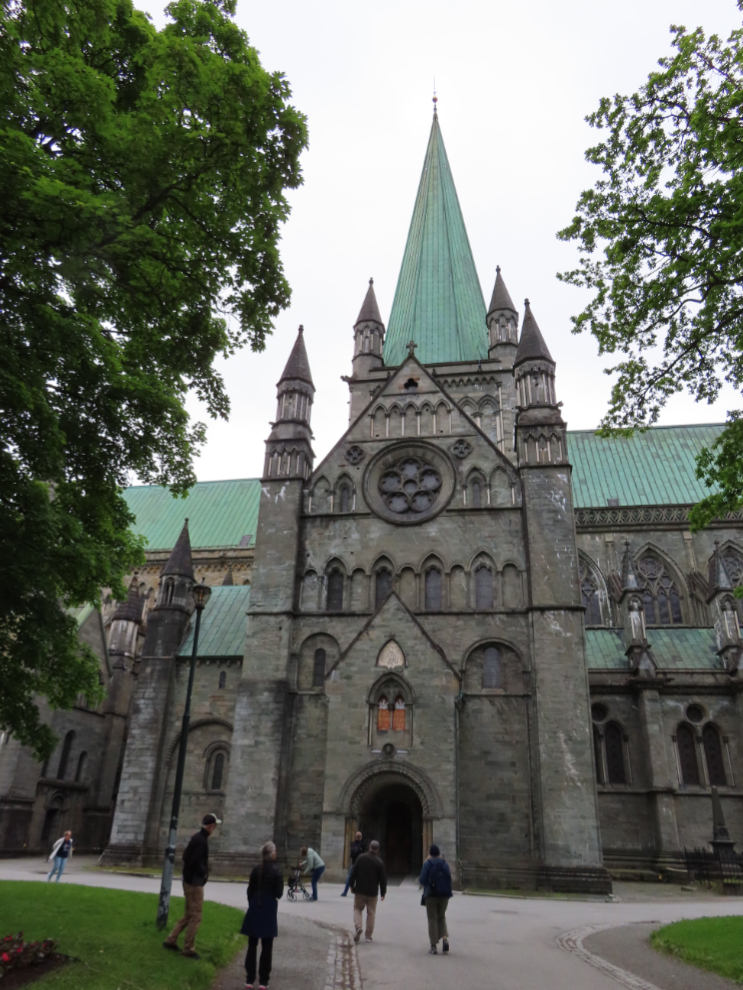
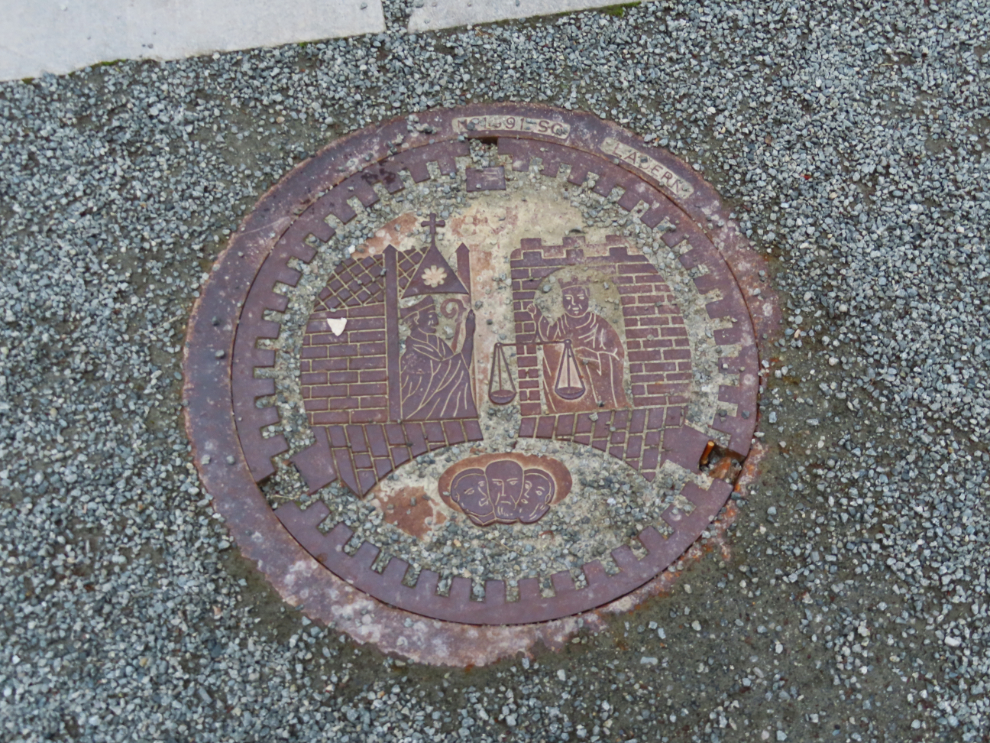
Both the exterior and interior of the cathedral are incredibly elaborate. There must be a good story about the archbishop or whatever having 3 heads in a basket, but it’s not among the sculptures and carvings described on panels outside the ticket office and gift shop.
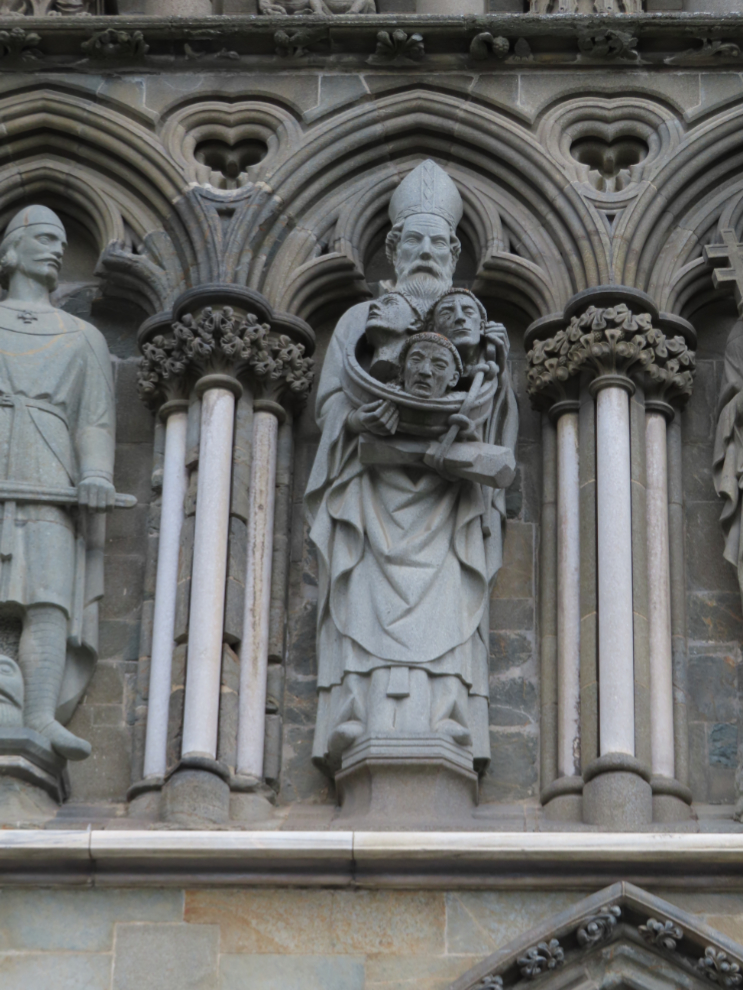
Adam and Eve need no interpretation.
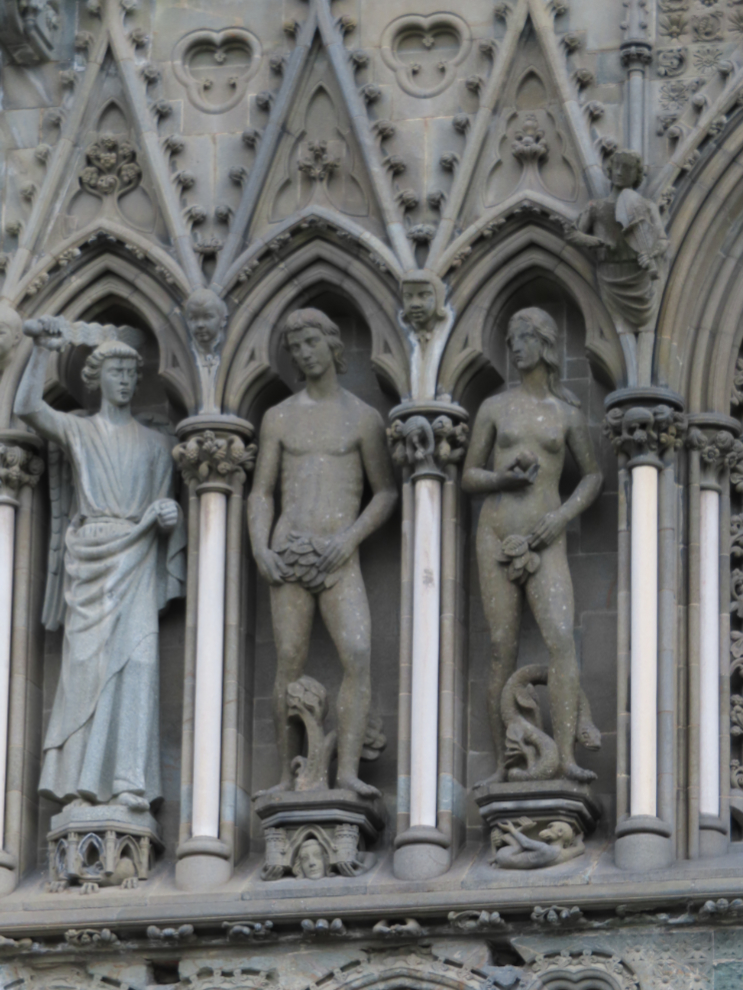
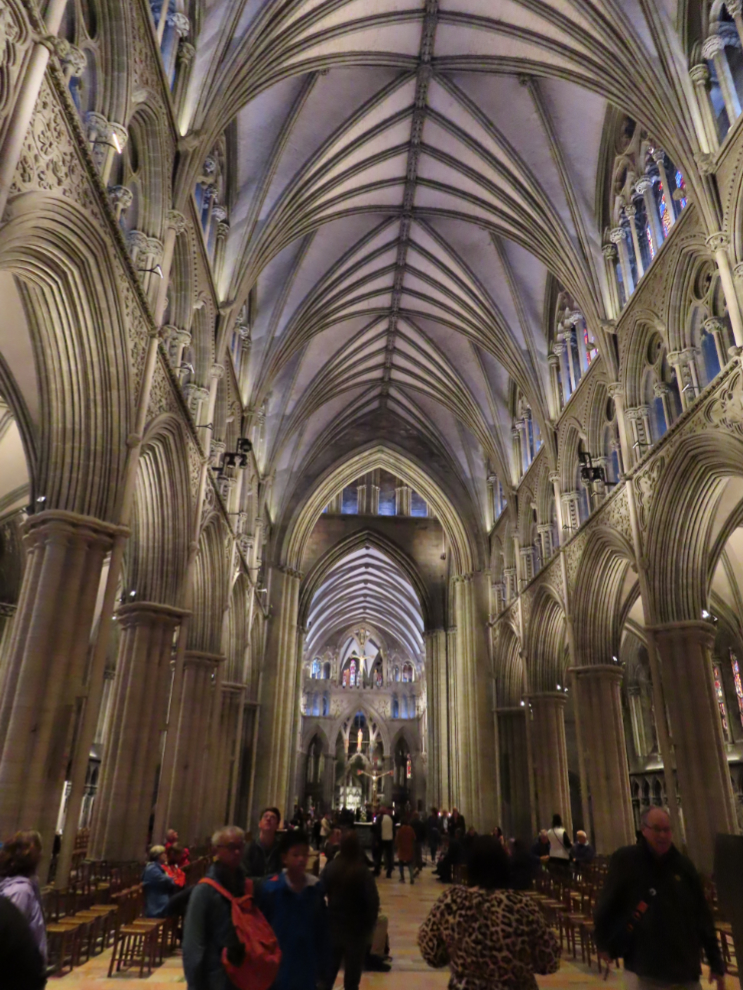
Stunning.
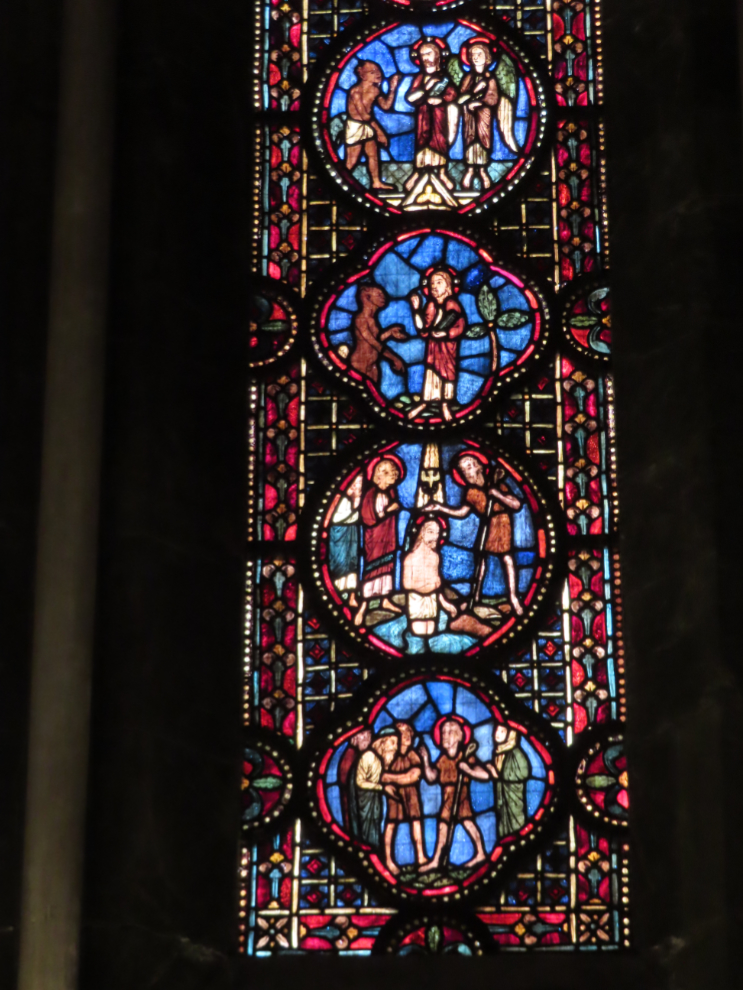
The stained glass is as varied as it is complex and overall magnificent.
There are heads hidden in dark corners and clusters of unrelated carvings everywhere.
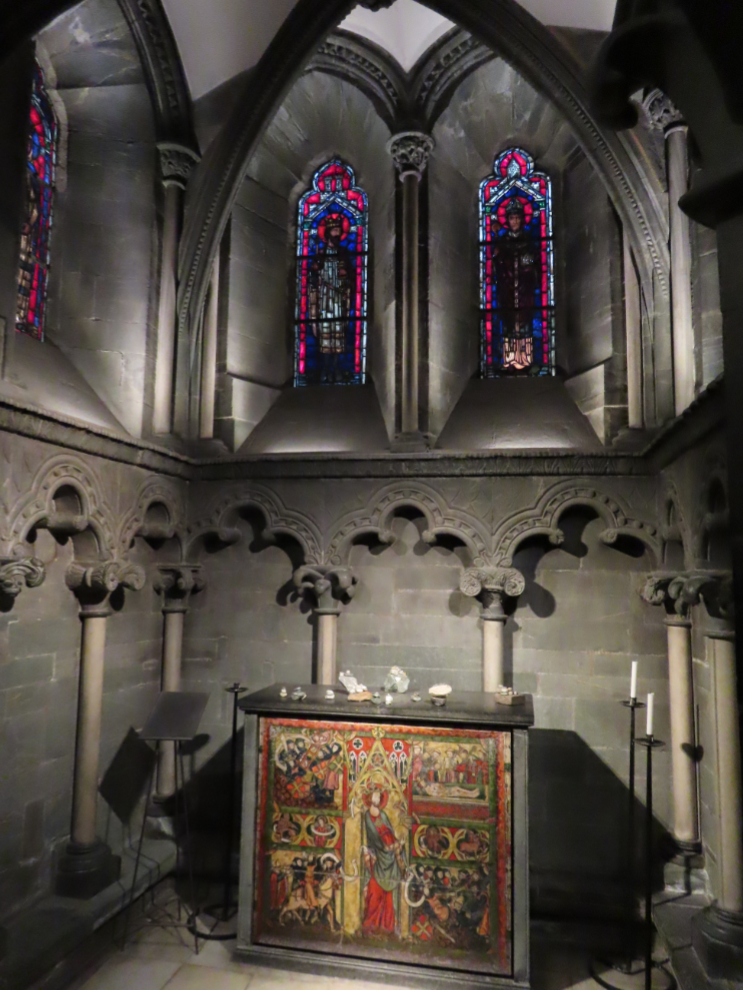
There are several tiny chapels, each unique.
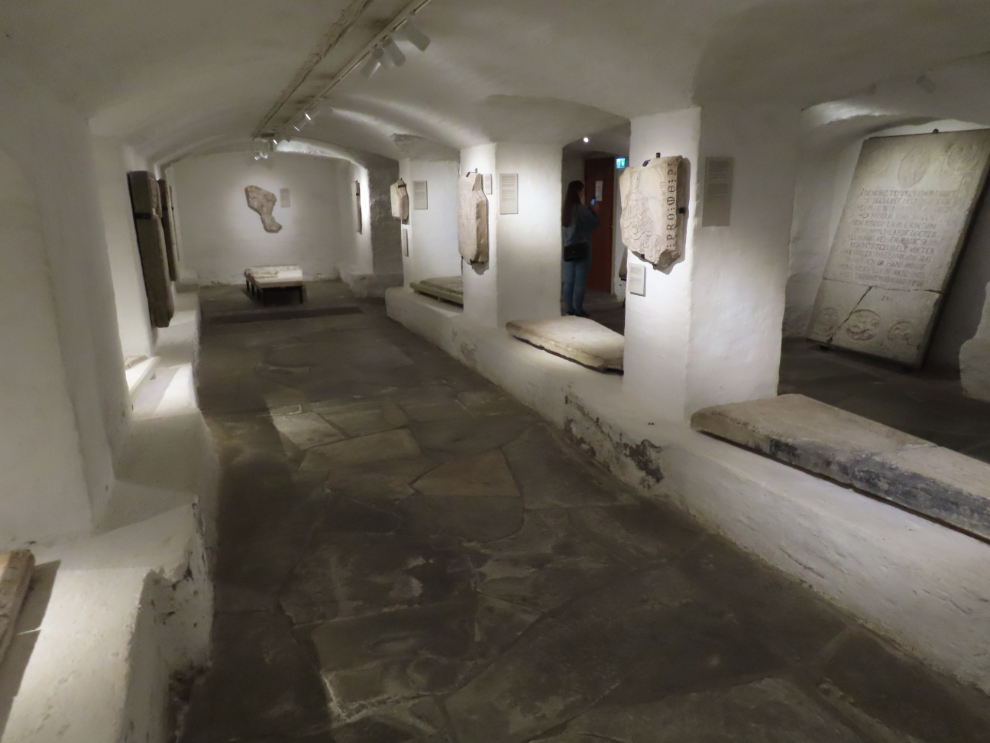
Few people find the crypt. It’s hidden off to the side and accessed via a narrow, steep stone staircase, but it is fascinating!
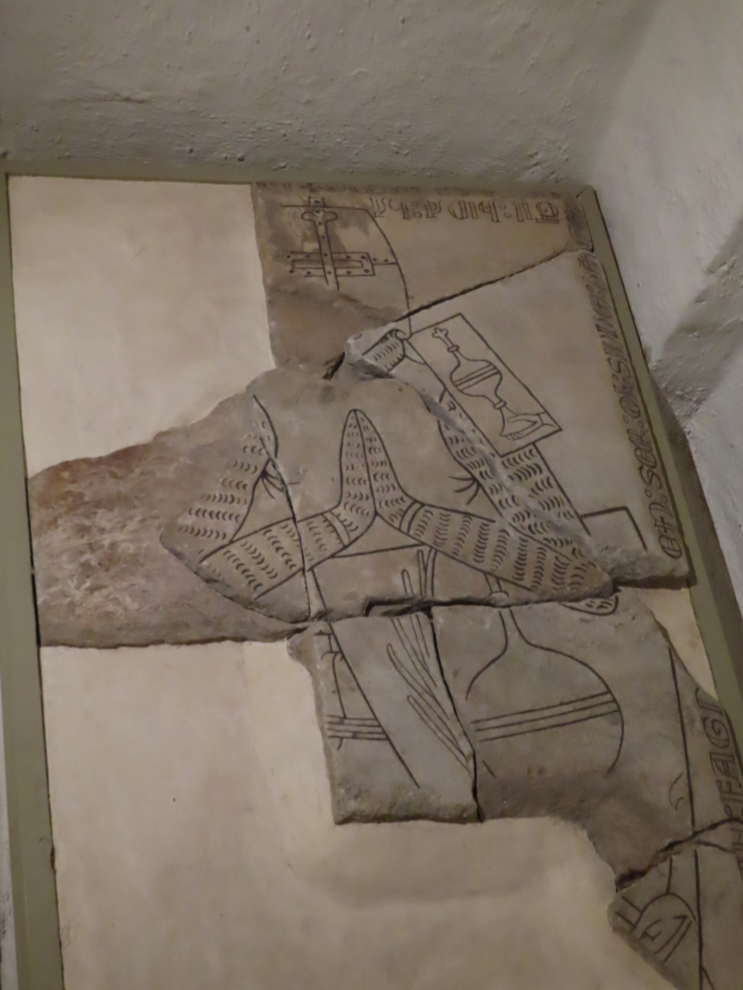
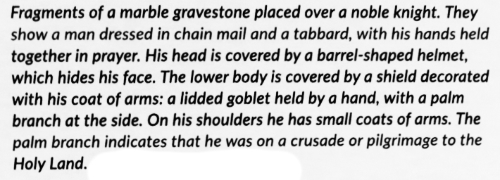
The description of this pieced-together headstone is below it.
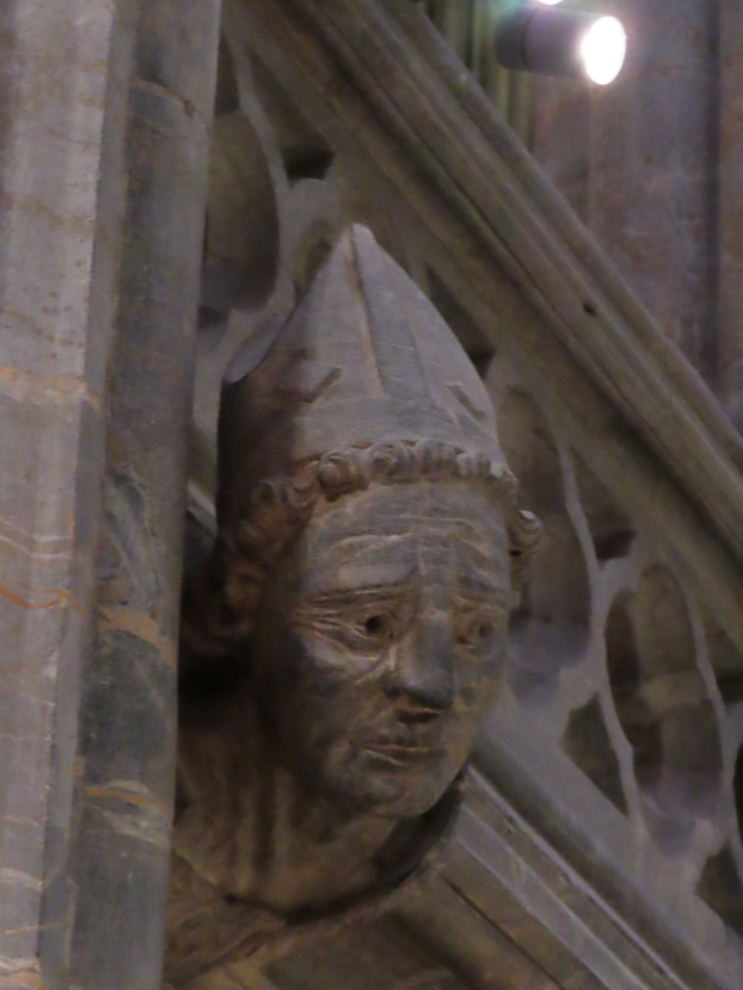
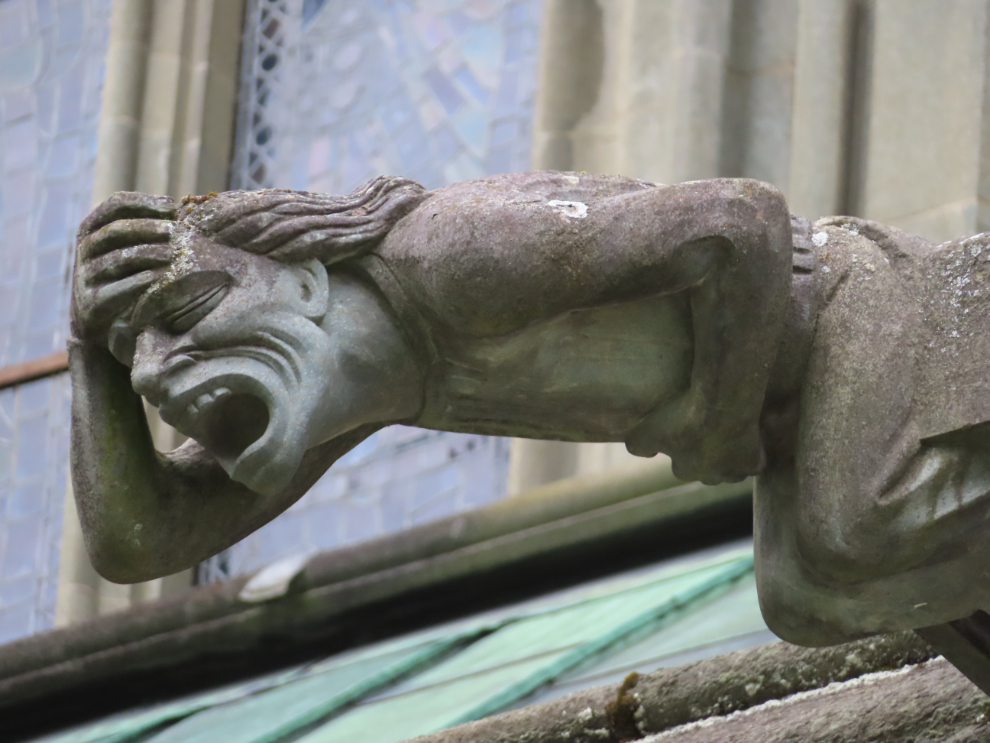
A gargoyle I found particularly amusing 🙂
Even the manhole covers are beautiful.
A final photo of Nidaros Cathedral as we left for a short walk to the final site we wanted to see.
That final site was Gamle Bybro, the Old Town Bridge. It was first built in 1681, sited on the Nidelva River so it could be reached by cannons from Kristiansten Fortress. It was originally built of wood, on three stone piers, but was completely rebuilt in 1861.
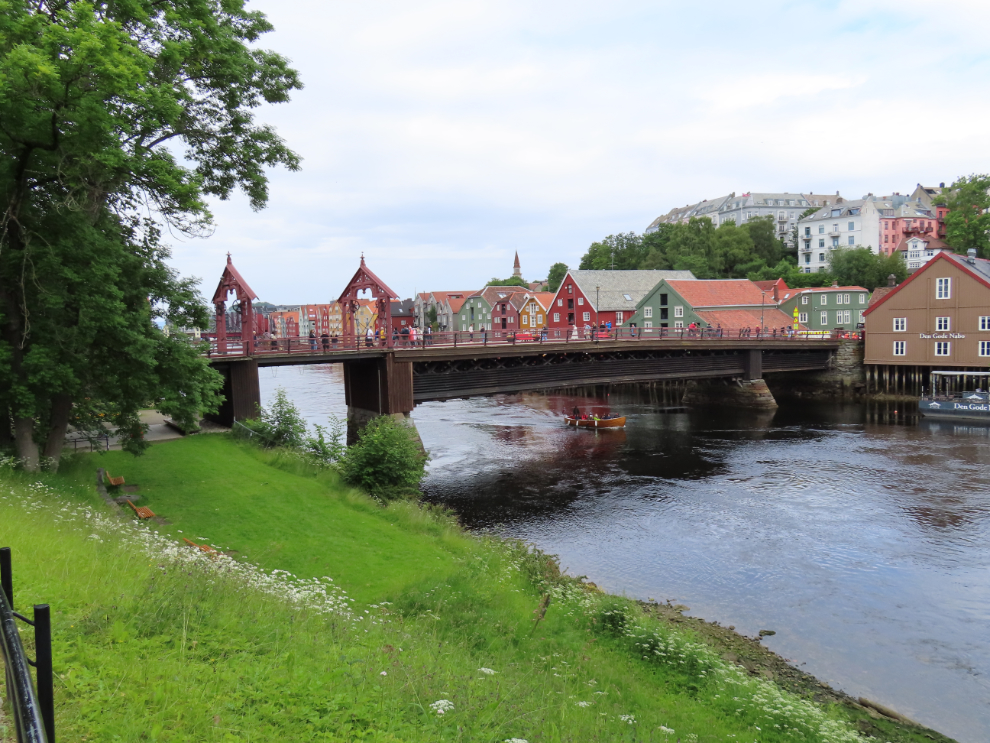
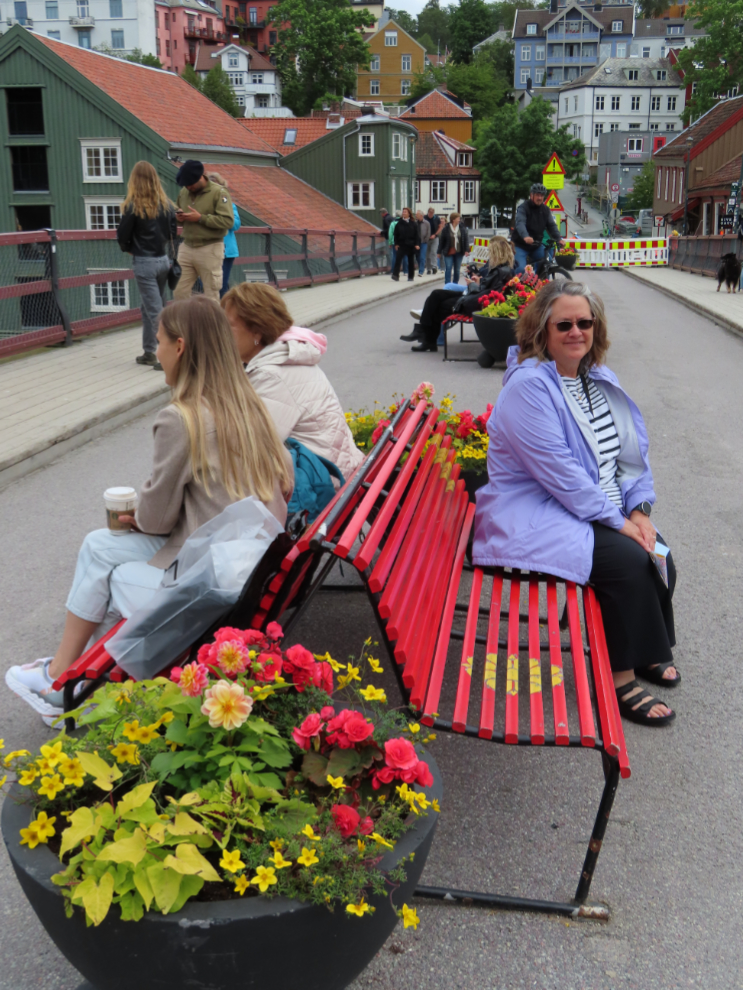
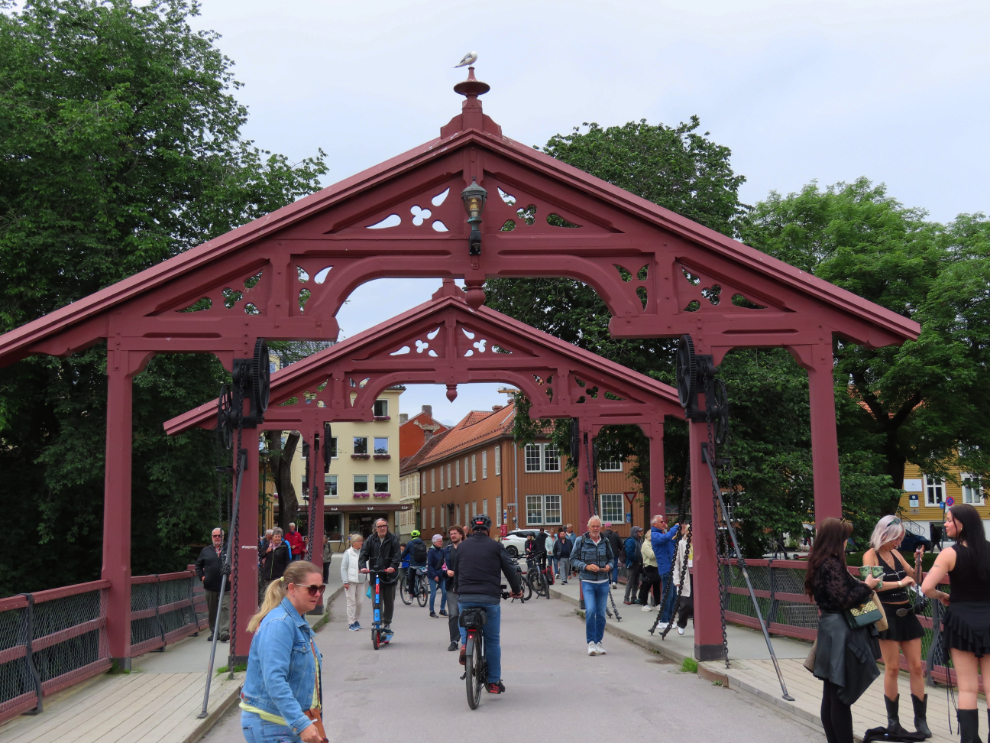
Back on the bus, we looped around downtown a few times. It has a wonderful mix of architectural styles new and old.
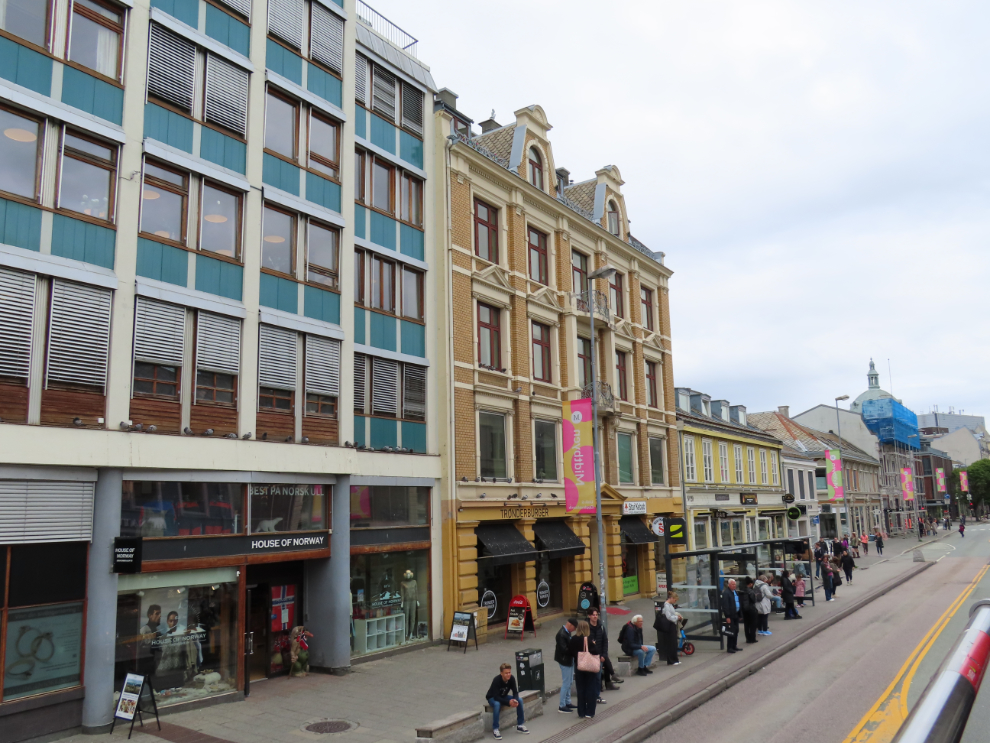
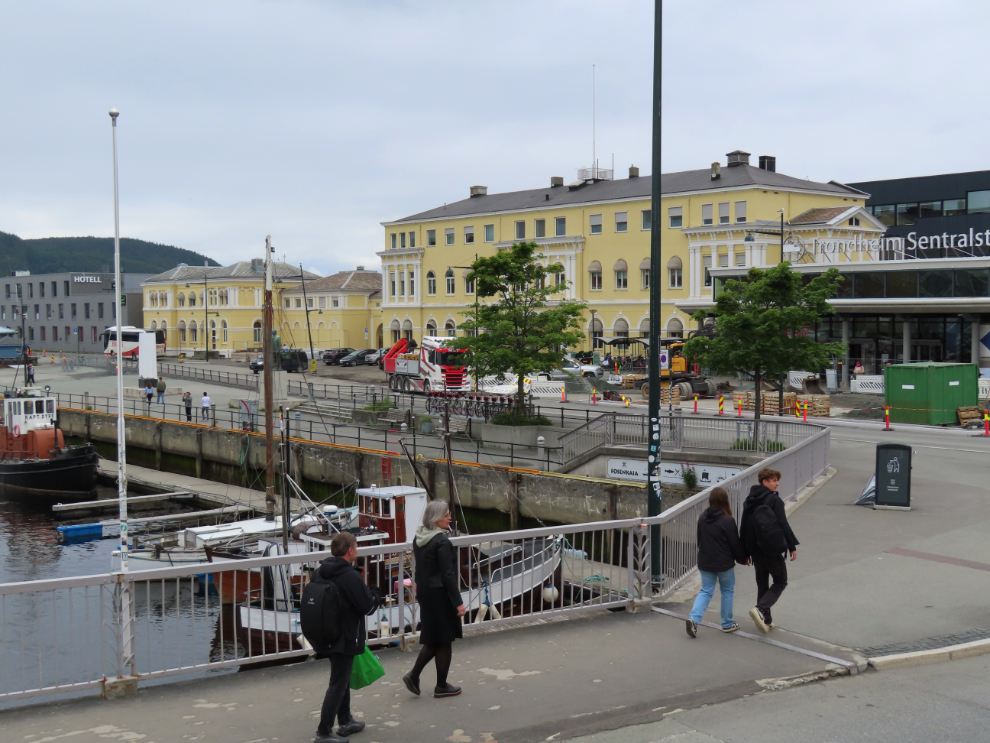
Trondheim sentralstasjon is the train station.
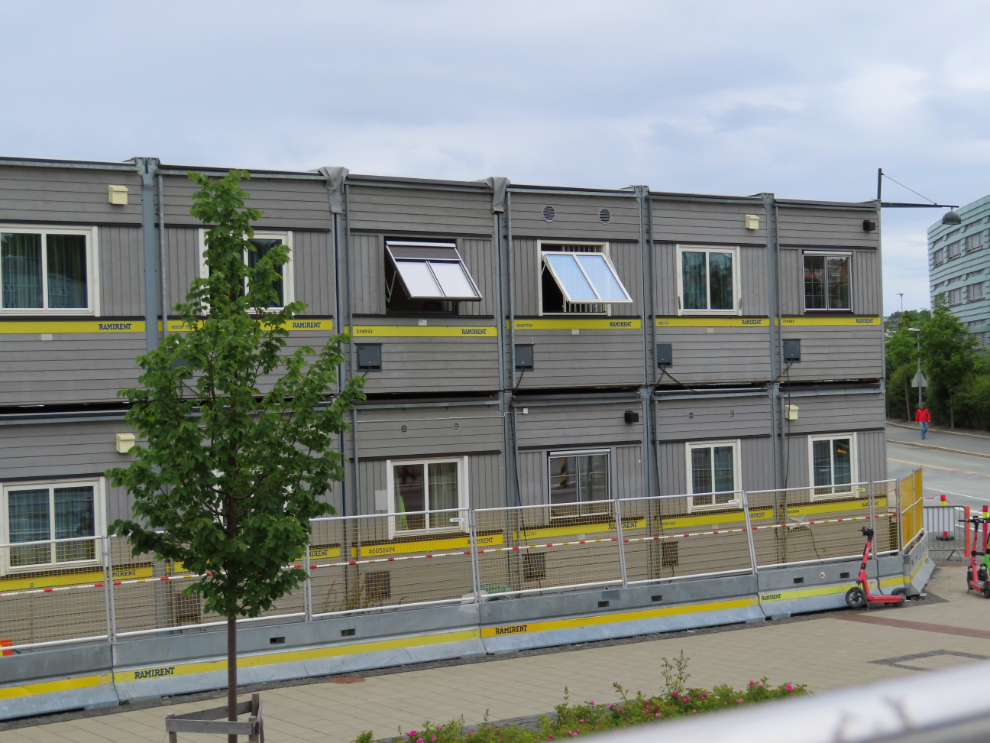
This modular apartment building is interesting – just bolt rooms together.
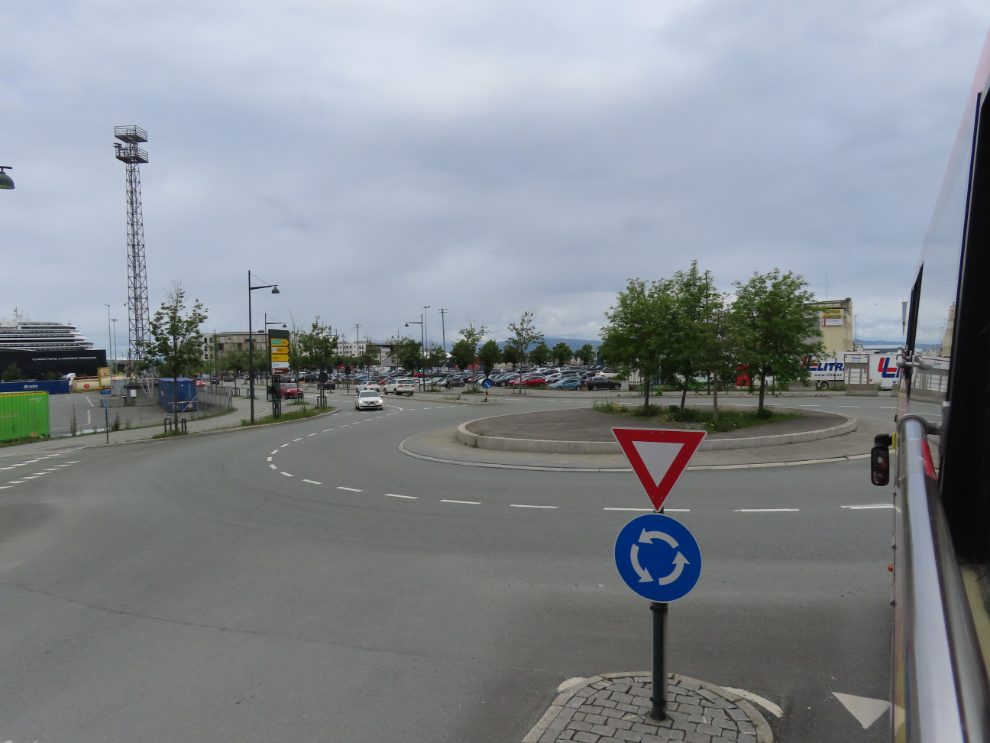
Roundabouts are used frequently and effectively to deal with intersections.
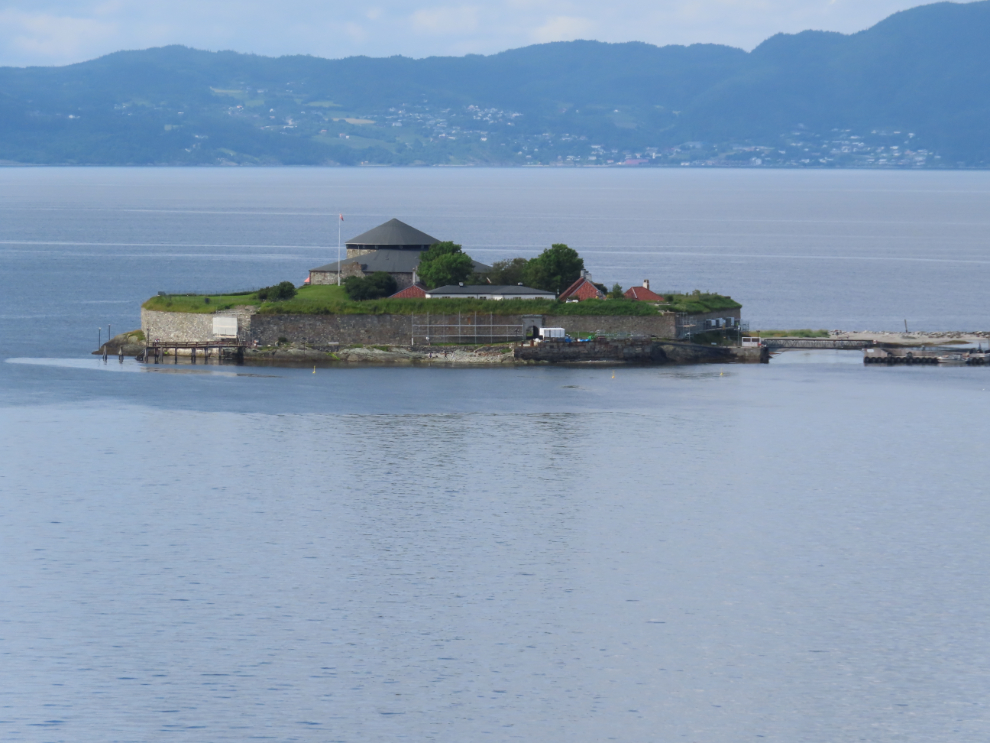
The final photo from Trondheim shows the tiny island of Munkholmen, from our ship as we were about to depart at 4:00 pm. It first became known as an execution site in 995, then over the centuries was a monastery, a fortress, a prison, and a World War II anti-aircraft gun station.
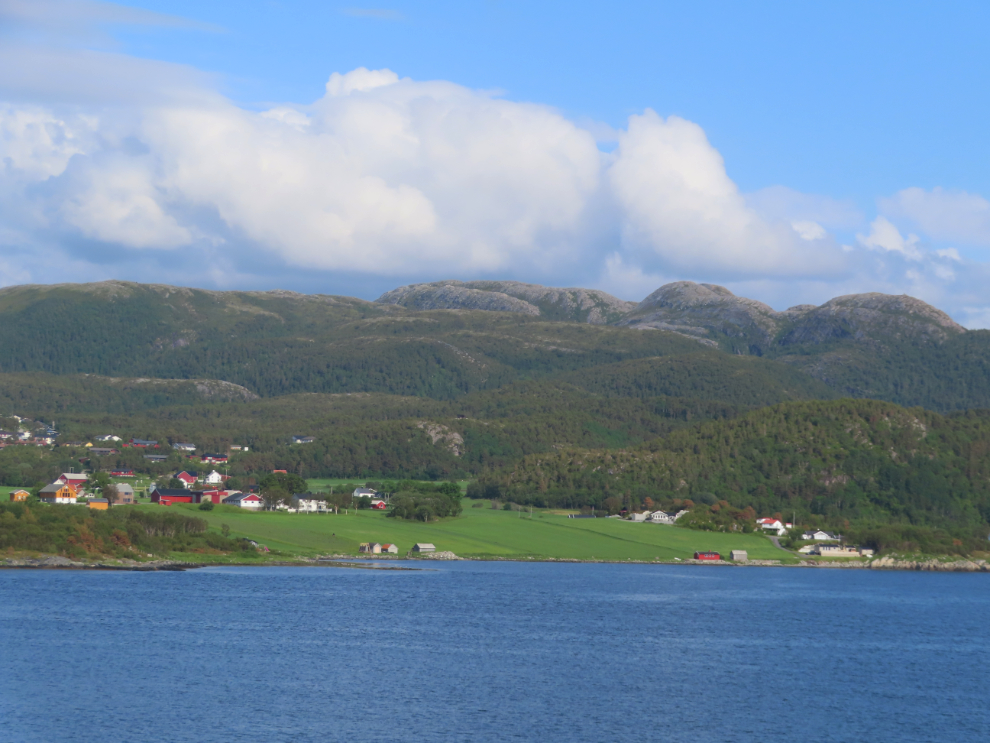
Sailing from Trondheim and pointed north, we passed an endless parade of lovely farm scenes. This one is typical of the ones I photographed.
The next day, July 3rd, we crossed the Arctic Circle as we continued north, then on July 4th we docked at Honningsvag.

About The Author
